
Units without an owner on record.
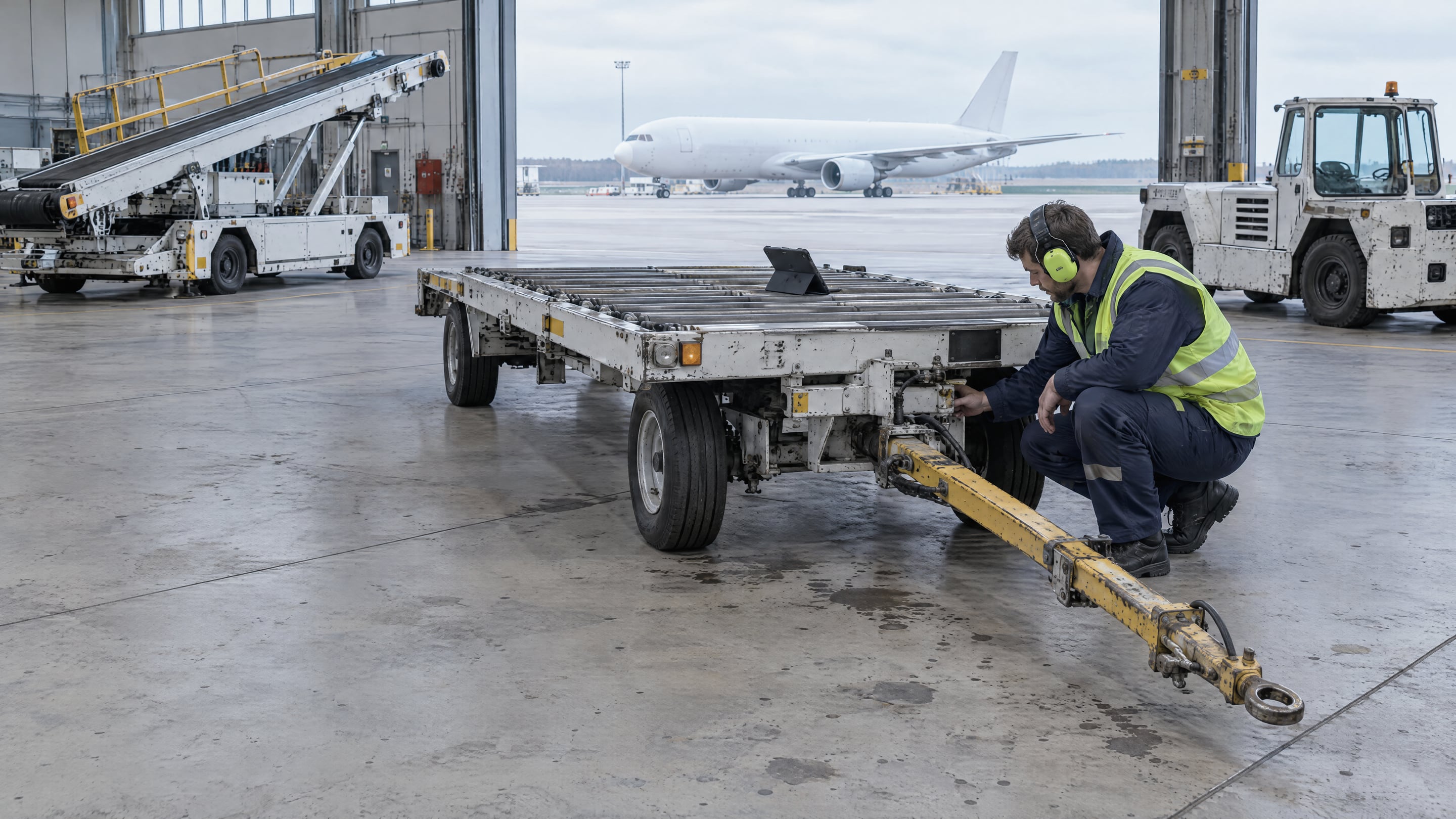
A trailer blocks a stand, and the airport calls three handlers before someone claims it.
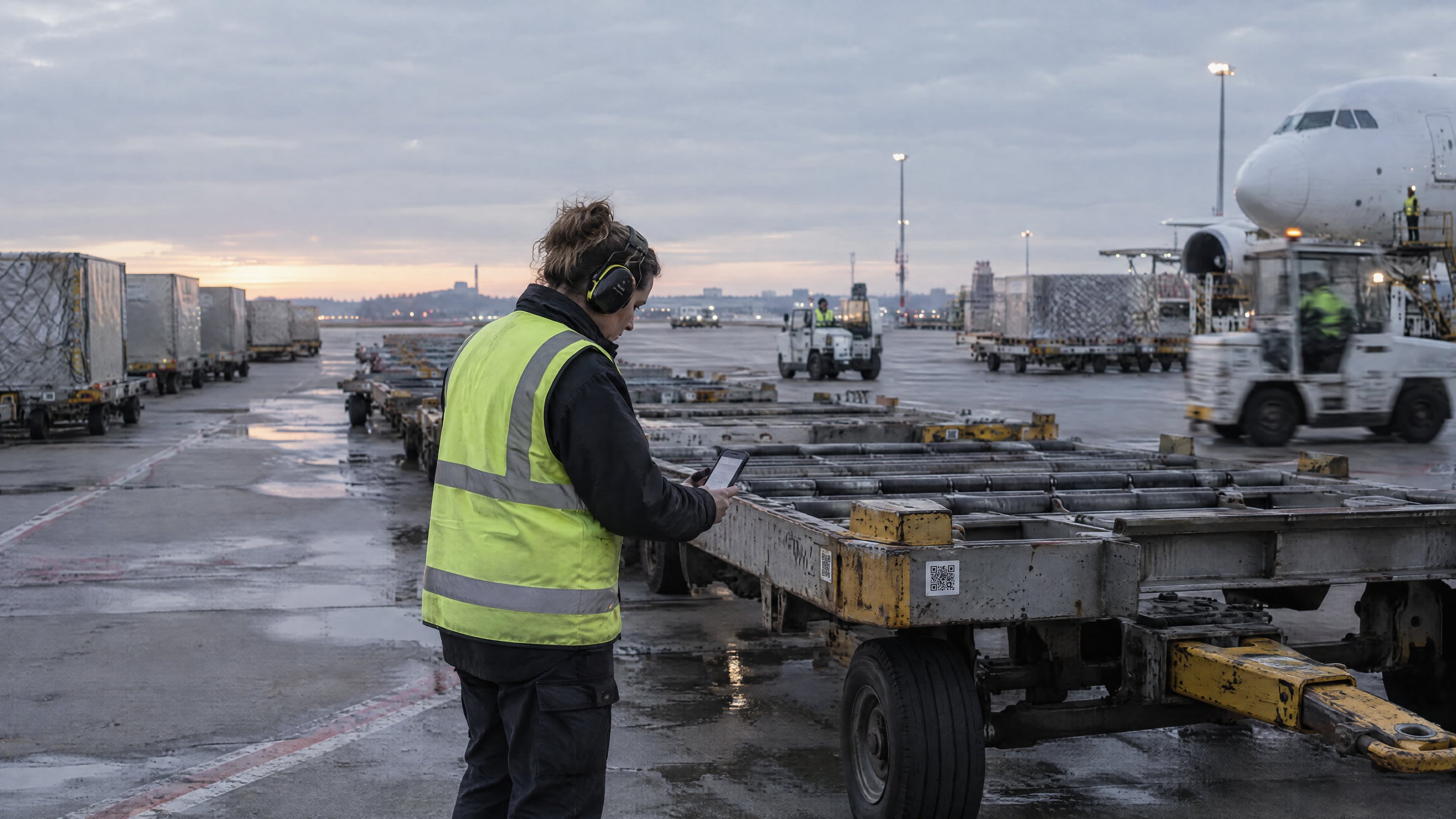
For ground handlers and GSE lessors
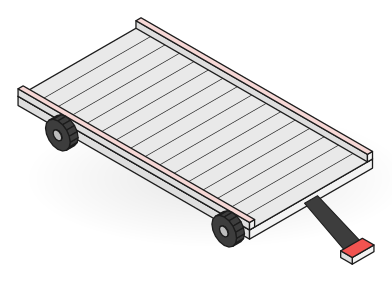
Rotion gives every dolly, pallet trailer, cart and tractor its own record. The handler that uses it, the company that leases it out and the airport it stands on share that record. See who holds each unit, which ones sit idle and which are due for service.
Rotion gives every piece of ground support equipment its own identity and records each hand-out, handover and return with a scan. It shows who owns and who holds each unit and takes live positions from the telematics already on your GSE. It also flags service dates and shows which units sit idle. Your ERP and lease contracts stay where they are.
When nobody sees the whole fleet, each team keeps a buffer. The apron fills up with units that wait for the next freighter.
A trailer blocks a stand, and the airport calls three handlers before someone claims it.
A leased dolly comes back with a cracked roller bed. The lease says who rented it, not who held it the night it broke.
Nobody knows how many dollies were in use at the busiest hour, so the next order or lease adds more of the same.
A dolly can belong to a lessor, run for a handler and stand on the airport’s apron in the same shift. Each party sees the units it owns or holds.
Scans units out and in at each shift and stand, so every unit has a holder.
Sees which handler holds each leased unit, for how many days and in what state it came back.
Gets a read-only view of whose GSE stands where, without the lease terms behind it.
Take units over at the stand. The handover moves responsibility with it.
Logs inspections, repairs and the date a unit is ready again.
A borrowed unit stays on its owner’s record, with the handler that held it.
Each unit carries its owner and its holder. When a trailer blocks a stand, the airport sees whose it is, and the handler sees which shift left it there.
| Zone | Handler A | Handler B | Handler C | Airport | Total |
|---|---|---|---|---|---|
| Stands 11 to 16Blocking stand 14 | 14 | 9 | 6 | 2 | 31 |
| GSE park North | 212 | 40 | 0 | 0 | 252 |
| GSE park South | 38 | 176 | 12 | 0 | 226 |
| Cargo shed 2 | 46 | 0 | 88 | 0 | 134 |
| Airport workshop | 0 | 0 | 0 | 18 | 18 |
| Total | 310 | 225 | 106 | 20 | 661 |
Sample data. The airport sees owner and holder. Lease terms and shift details stay with the handler and the lessor.
Field results from operators running Rotion across pools, retail and industry.










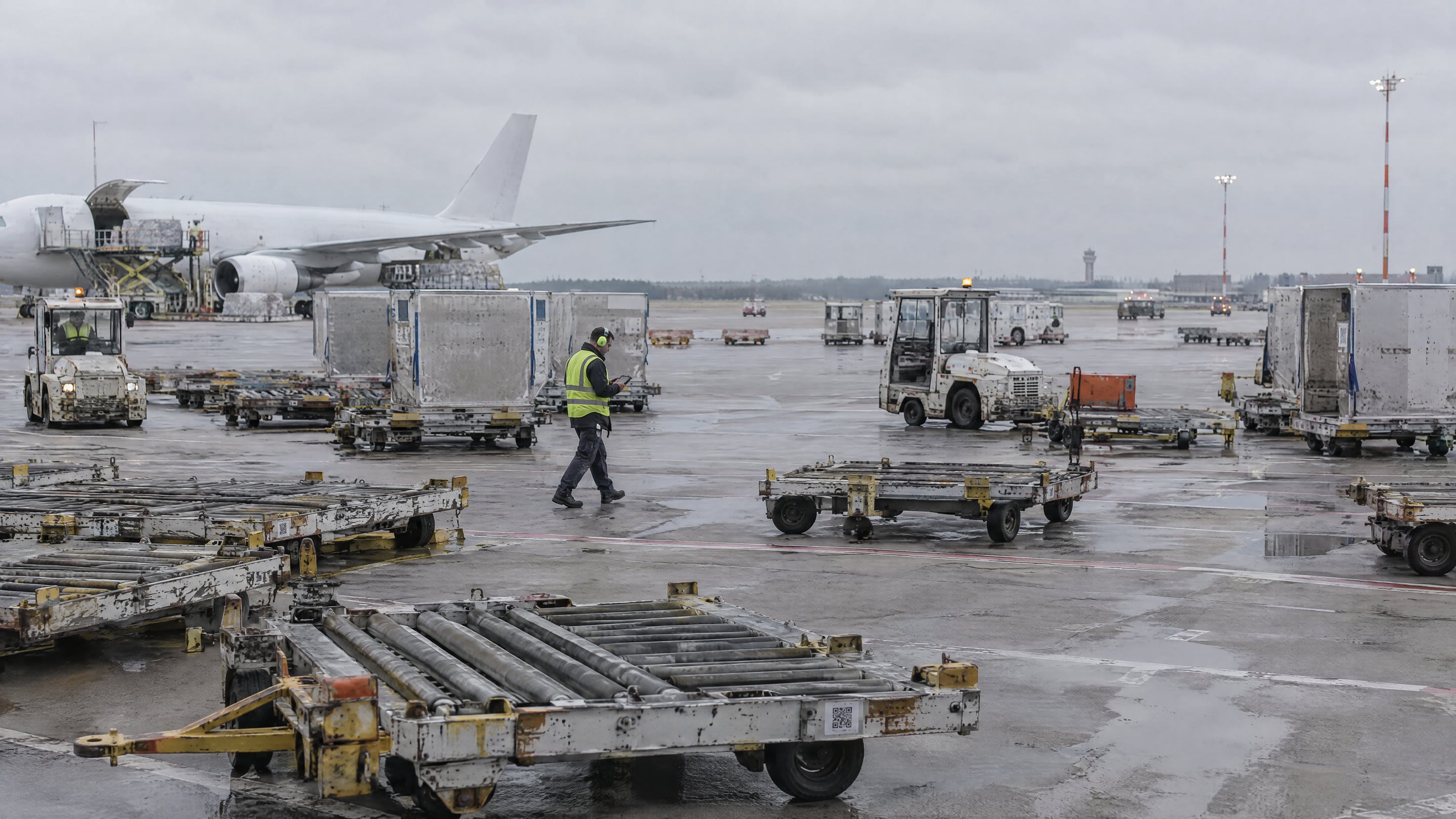
Shift leads and drivers scan with any phone at hand-out, at the stand and at return. Live positions come from the telematics already fitted, through the API.
Units leave the lessor or the GSE park against a lease or a shift. The receiver signs.
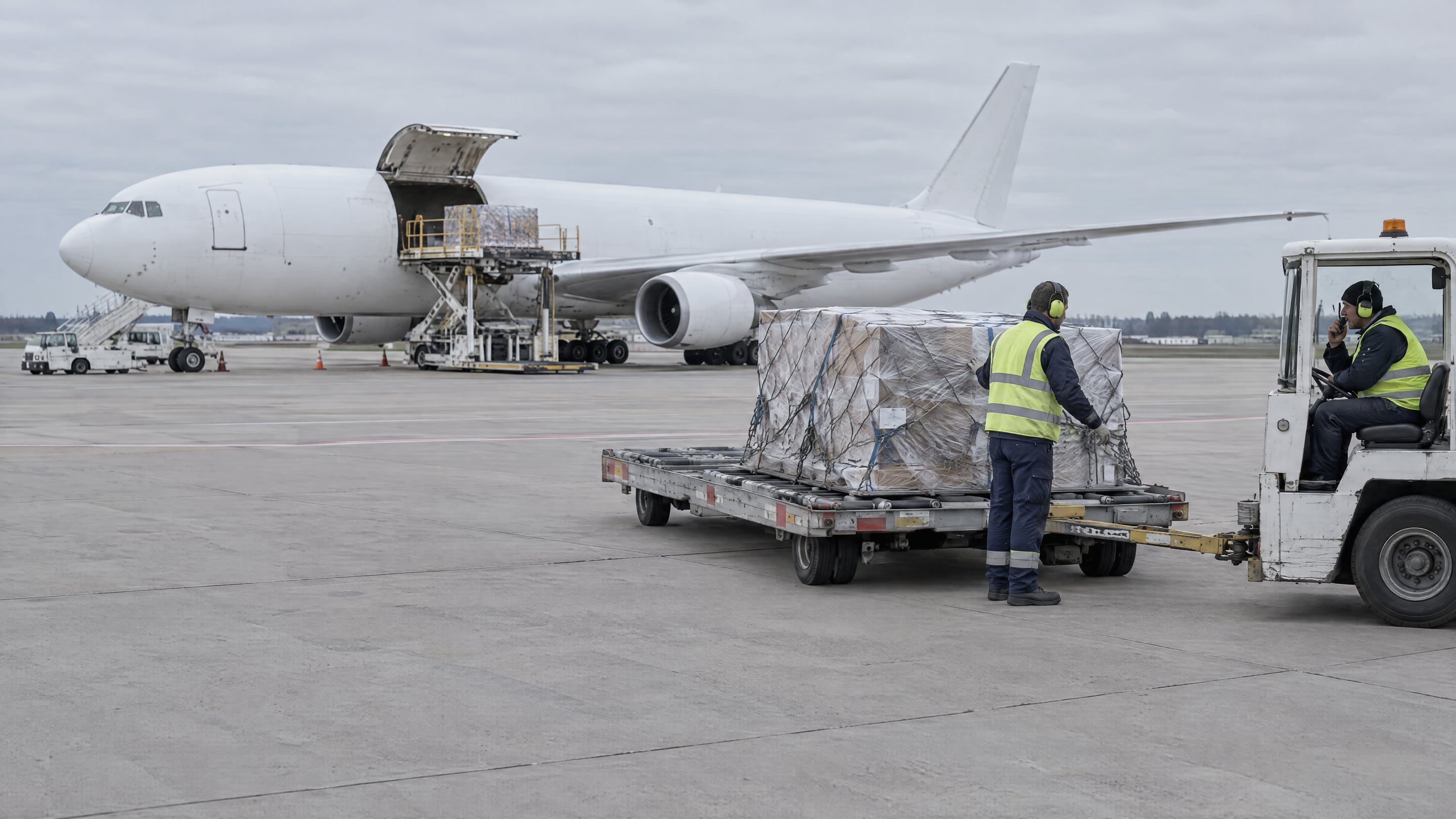
Units move between stands, sheds and teams. Custody follows each handover.
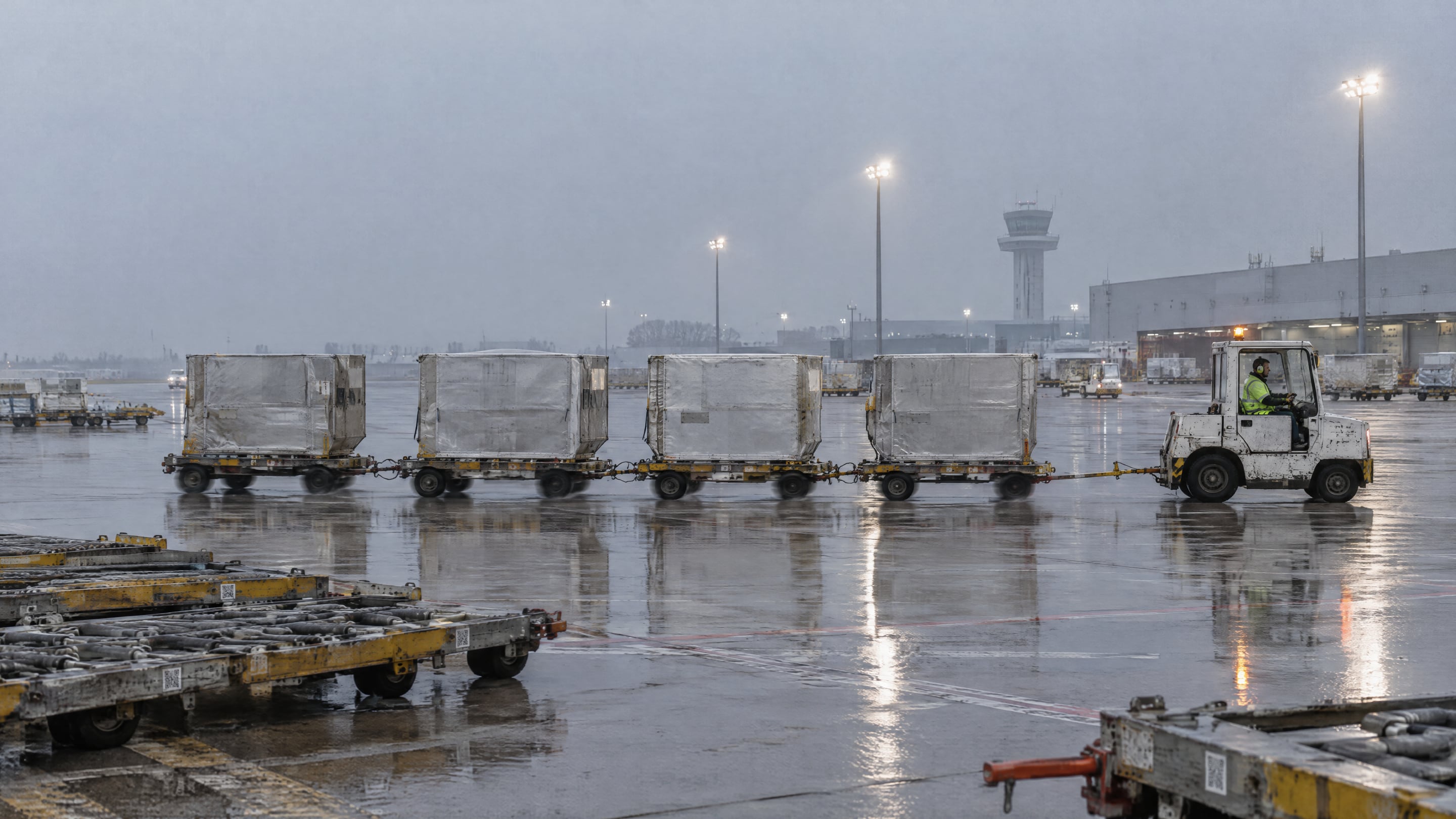
Units scan back in at the park or the lessor. Missing units and damage show at once, with photos.
Inspections and repairs log per unit. A unit past its service date cannot be handed out.
A lessor sees each unit it leases out: which handler holds it, for how many days, what came back damaged and when it is due for service.
Signed by the Handler B shift lead.
GSE park South.
Scanned at Stand 12. Responsibility moves to Handler C.
Damage scan at Stand 12: roller bed cracked, 2 photos.
Held by Handler C at the time.
Returned with the damage already on record.
Not serviced yet. Blocked for the next hand-out.
Sample data. Days on hire go to your invoicing. Contracts stay in your lease system.
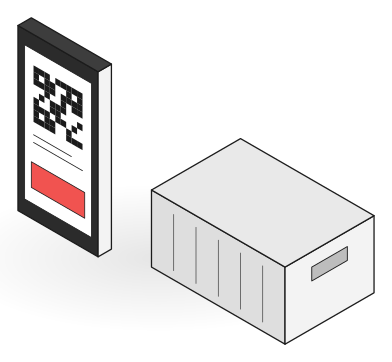
Every unit per handler, shift, stand and park, updated with each scan.
Read more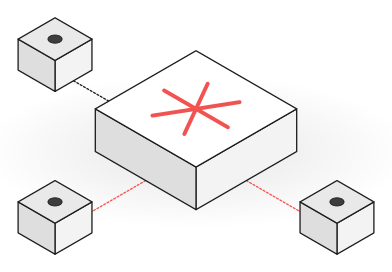
Autopilot flags units past their return date and units that have not moved in weeks.
Read more
How many units of each type were out at the busiest hour, against the fleet you own and lease.
Read more
Days on hire per leased unit from the rental calculator, ready for invoicing.
Read moreAutopilot watches every scan in your loop, flags what is going wrong, proposes the fix with its reasoning, and acts once you approve.
How Autopilot worksEight leased tow tractors have not been handed out in six weeks.
Peak use of tow tractors has stayed at 26 or fewer since week 34, against 34 in the fleet. All eight idle units are on lease from Lessor 2.
Propose to Lessor 2 to off-hire six tractors at the end of the month and keep two as buffer.
No. Rotion reads the QR codes, barcodes, RFID or BLE tags on your units and takes live positions from telematics already fitted to them through the API. Dollies and carts without power get a printed code.
Only what you share. You can give the airport a read-only view of whose units stand where. Lease terms, shifts and costs stay with you.
Each leased unit keeps one record across handlers. You see who holds it, its days on hire from the rental calculator, damage photos from the return scan tied to the handler that held it, and service dates that block the next hand-out.
The record allows it. Every handover is scanned, so damage and loss land with the handler that held the unit. Whether units are pooled is up to the handlers and the airport.
No. Rotion runs alongside your ERP and lease contracts. Return facts and days on hire export or push to invoicing.
Start with one unit type at one airport, for example the dollies you wait for most. Put a code on each, scan at hand-out and return, then add types and airports on the same setup. Most teams go live in weeks.
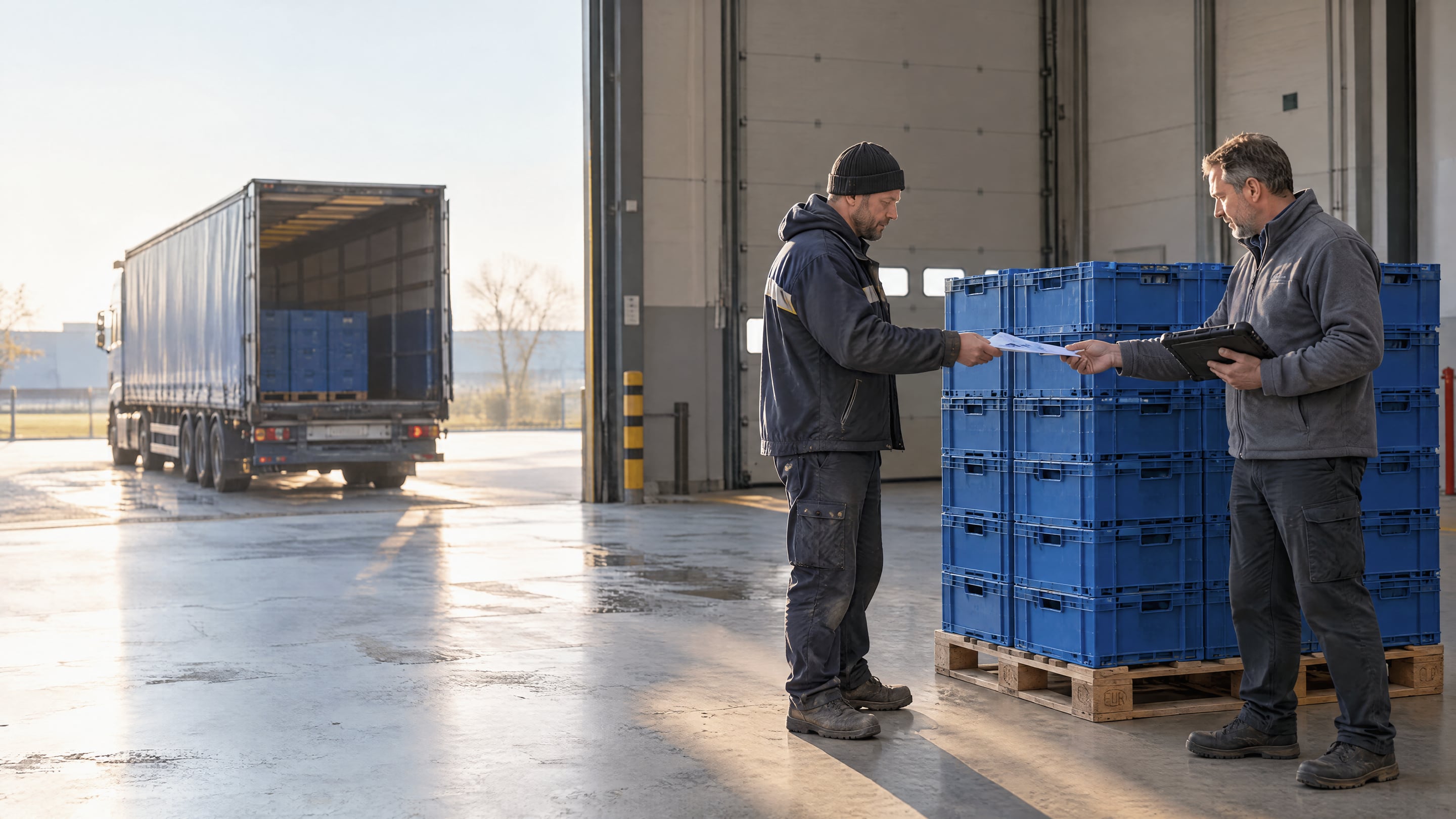 IMG 052 · DC Zellik · 50.8889N 4.2725E
Most teams go live in weeks, on the codes already on their fleet.
AI assistant · answers about Rotion
Hi. Ask me anything about Rotion: how it tracks crates, pallets, kegs and IBCs across partners, what Autopilot does, pricing, or PPWR.