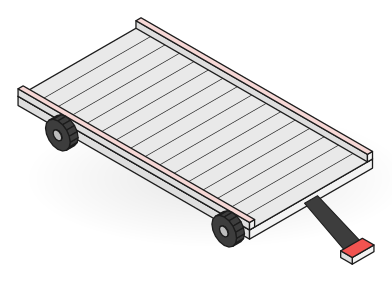
Exchange notes disagree.
Shipper, carrier and customer each keep their own version of the paper note. Balance disputes take hours and rarely end in a number both sides accept.
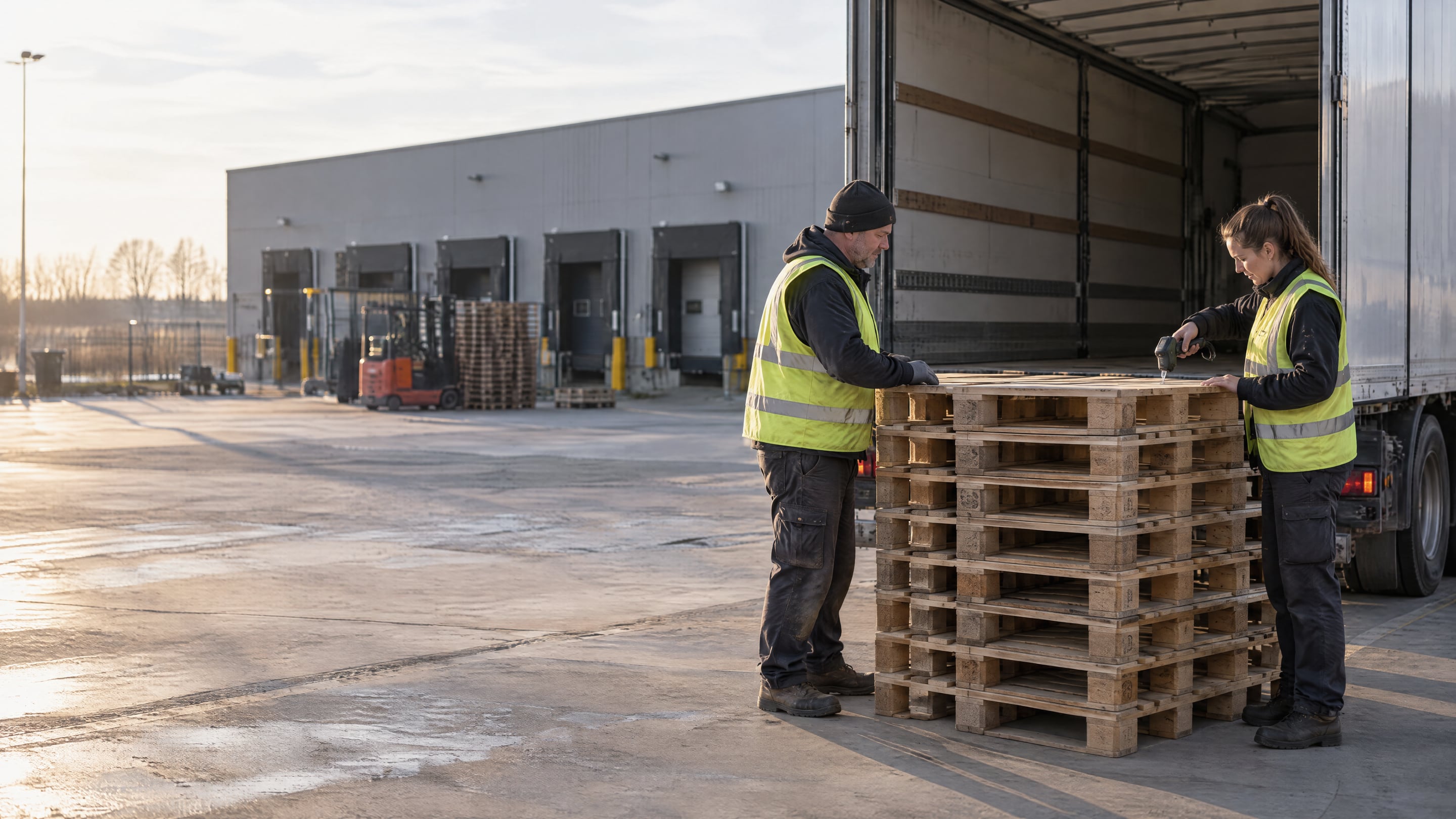
Pallet tracking software
Rotion gives every returnable pallet a digital identity. See which carrier, warehouse or customer holds which pallets, settle exchanges on scans, and stop writing off what you cannot see.
Pallet tracking software records where each returnable pallet is, who holds it and how it moves between shippers, carriers, warehouses and customers. Rotion keeps per-pallet history for serialized fleets and per-partner balances for exchange flows such as EPAL, on the QR, barcode or RFID markings already on your pallets. Exchange balances, losses and repair decisions then come from scans instead of paper exchange notes.
Pallets pass through more hands than any other load carrier, and every hand keeps its own count. Each pallet that does not come back is bought twice.
Shipper, carrier and customer each keep their own version of the paper note. Balance disputes take hours and rarely end in a number both sides accept.
A pallet that changes trucks twice changes custody twice. Without a scan at each hop, nobody can say where it left the loop.
Pool cost is decided at inspection. Without history per pallet, nobody knows a pallet’s real service life, so the choice to repair or write off follows habit.
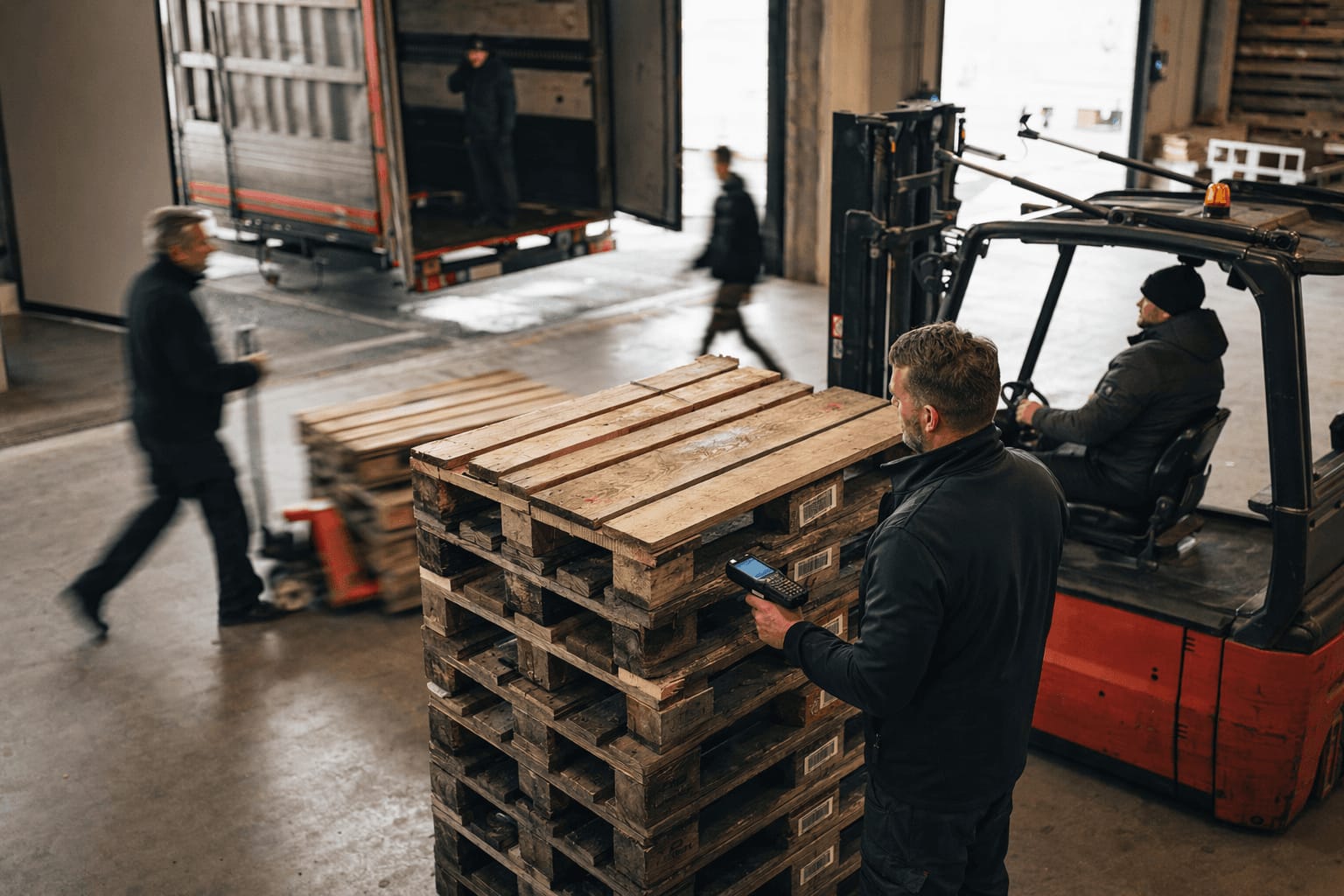
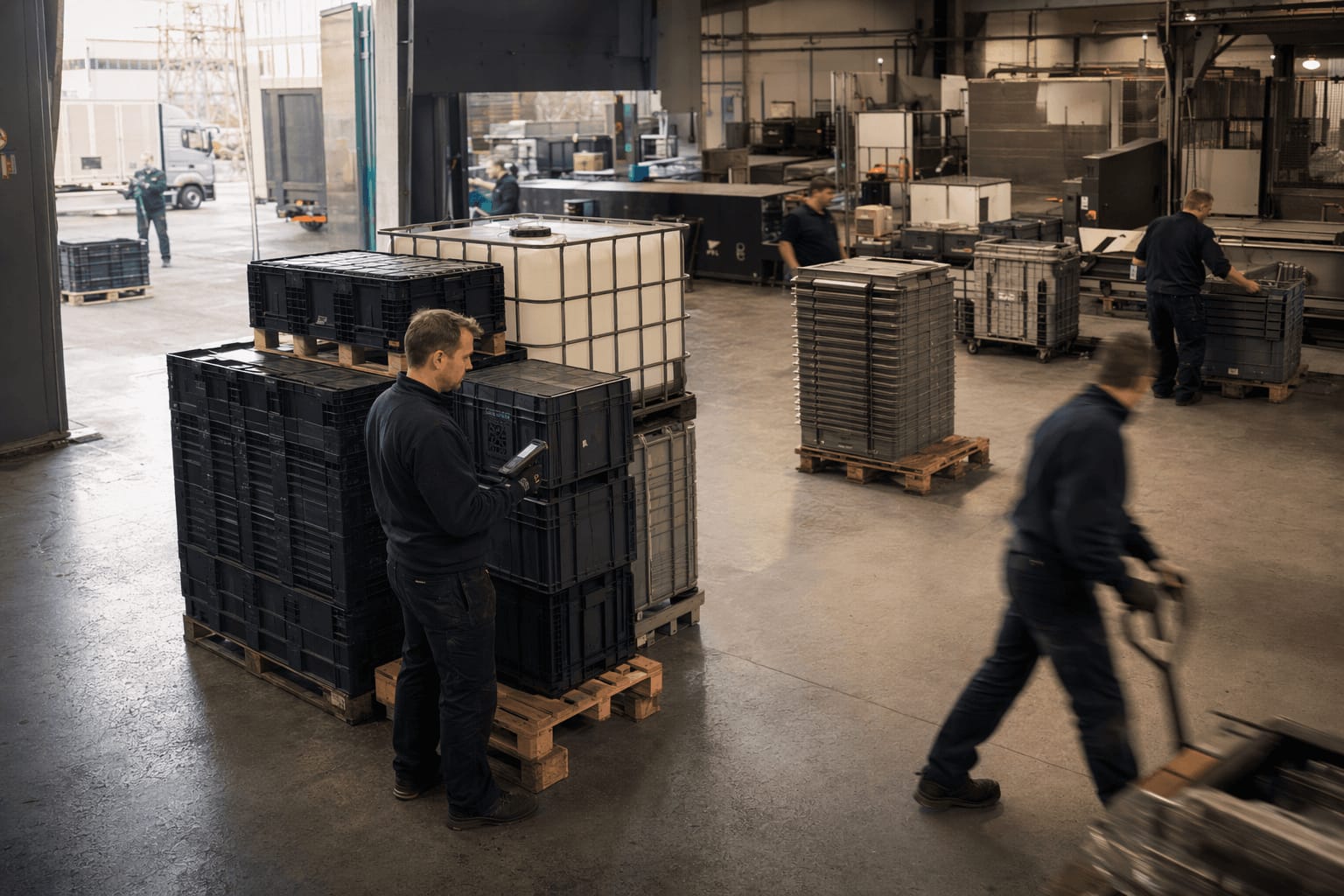
Scans at loading and unloading fit existing dock steps. A full load scans as one SSCC while each pallet stays traceable.
A full truckload leaves the dock. One SSCC scan books every pallet to the carrier.
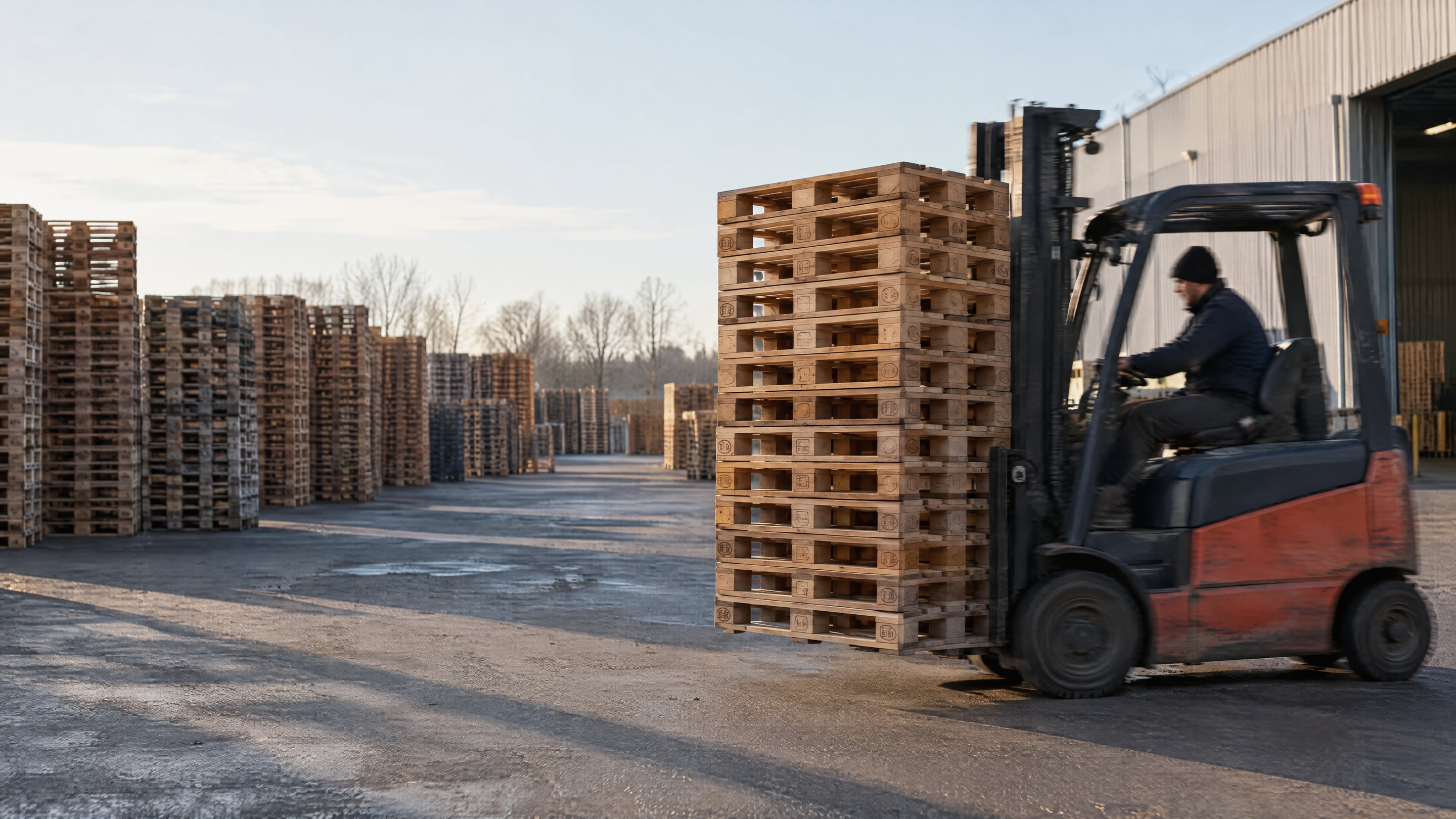
The driver hands over at the customer dock. Custody and the exchange obligation move in the same scan.
Empties go back on the next drop. Both balances update at once, with the scan as evidence.
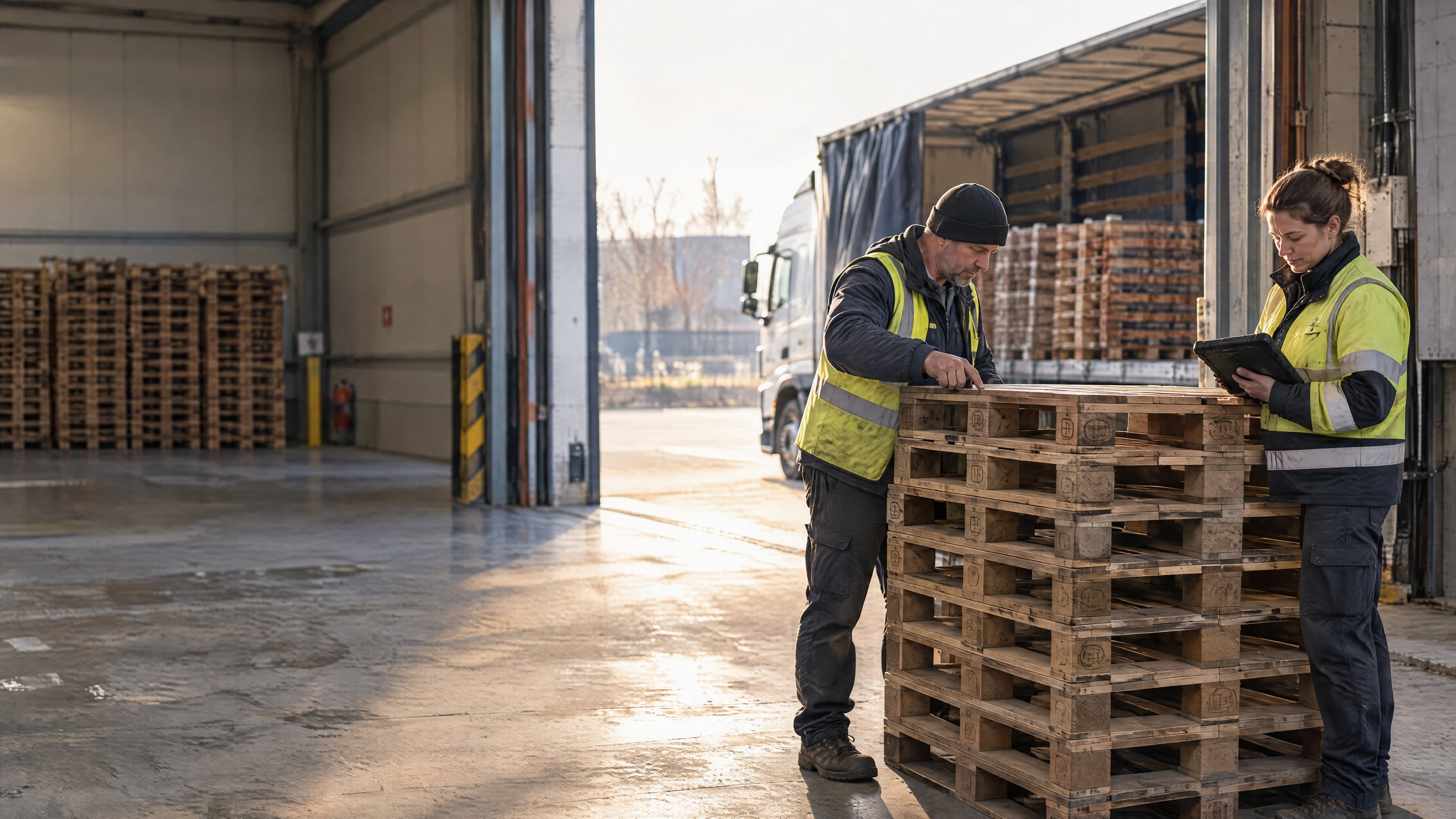
Damaged pallets go to repair with their history. Repaired pallets rejoin the pool, scrapped ones leave it on record.
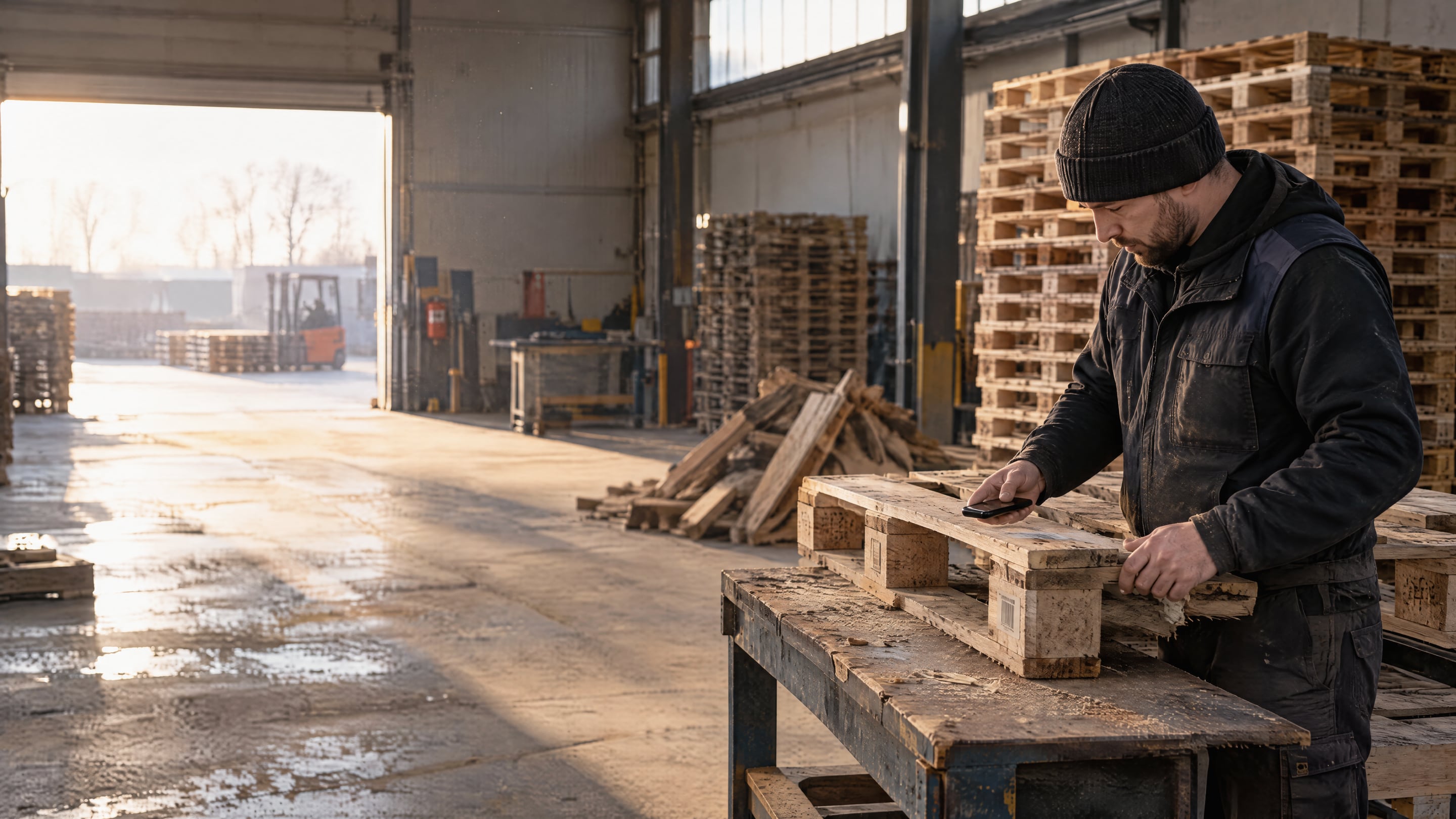
Each tile shows the open balance, the return rate and six weeks of trend. Autopilot points at the carrier that needs attention.
Carrier West returned 418 fewer pallets than it took over six weeks, most on loads through Depot Ghent. Proposes a balance statement with scan evidence and a collection at Depot Ghent.
When the carrier’s paper notes and the scan record drift apart, the gap shows in the week it opened, with the evidence behind it. The dispute ends with a lookup.
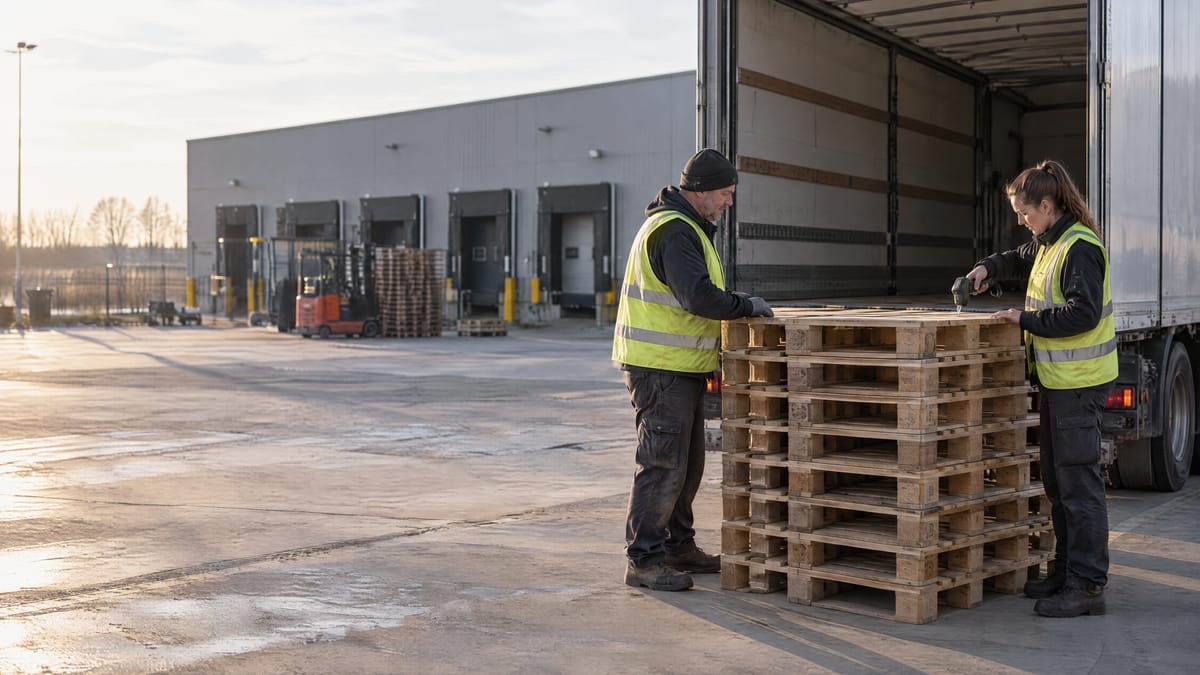
4 pallets open with Noordhof Carriers, agreed by both sides from the scan record.
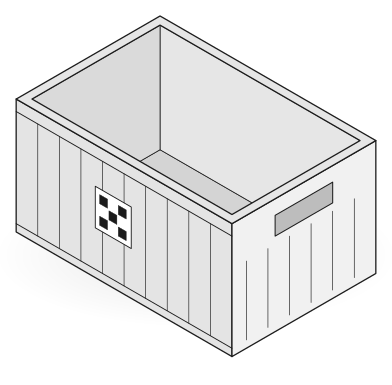
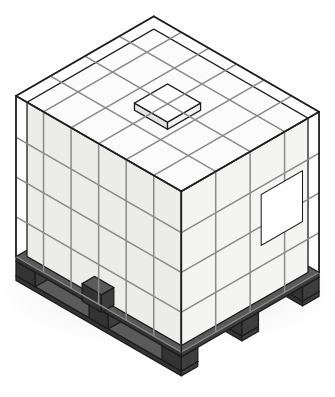
Open exchange, pooled or rented, or your own serialized fleet. The same scans feed each one, and you can run more than one side by side.
A balance per carrier, warehouse and customer, counted from scans at loading and unloading. It works without a label on every pallet.
A flexible rental calculator counts the days each partner holds a pallet and applies your fees. For pooling companies and for operators inside a company.
Every pallet carries its own history: where it went, who held it, and whether it was inspected, repaired or scrapped.
Autopilot needs serialized pallets. It flags partners whose balance keeps growing, proposes a statement or a collection, and acts only on your approval.
Own fleets, exchange flows and pooled pallets in one system, across carriers, warehouses and customers. Pick a feature to see it.
Explore the platform Exchange balance per partnerHistory per palletLeakage per lanePool status Autopilot
| Customer | Out | Back | Open | Dwell |
|---|---|---|---|---|
| Store 2214 Ghent | 1,240 | 1,196 | 44 | 5 d |
| Customer 14 | 860 | 648 | 212 | 21 d |
| DC Zellik | 2,310 | 2,287 | 23 | 2 d |
| Grower Hoogstraten | 1,580 | 1,531 | 49 | 7 d |
| Store 0917 Leuven | 640 | 611 | 29 | 6 d |
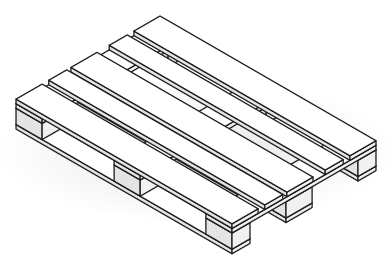
Field results from operators running Rotion across pools, retail and industry.














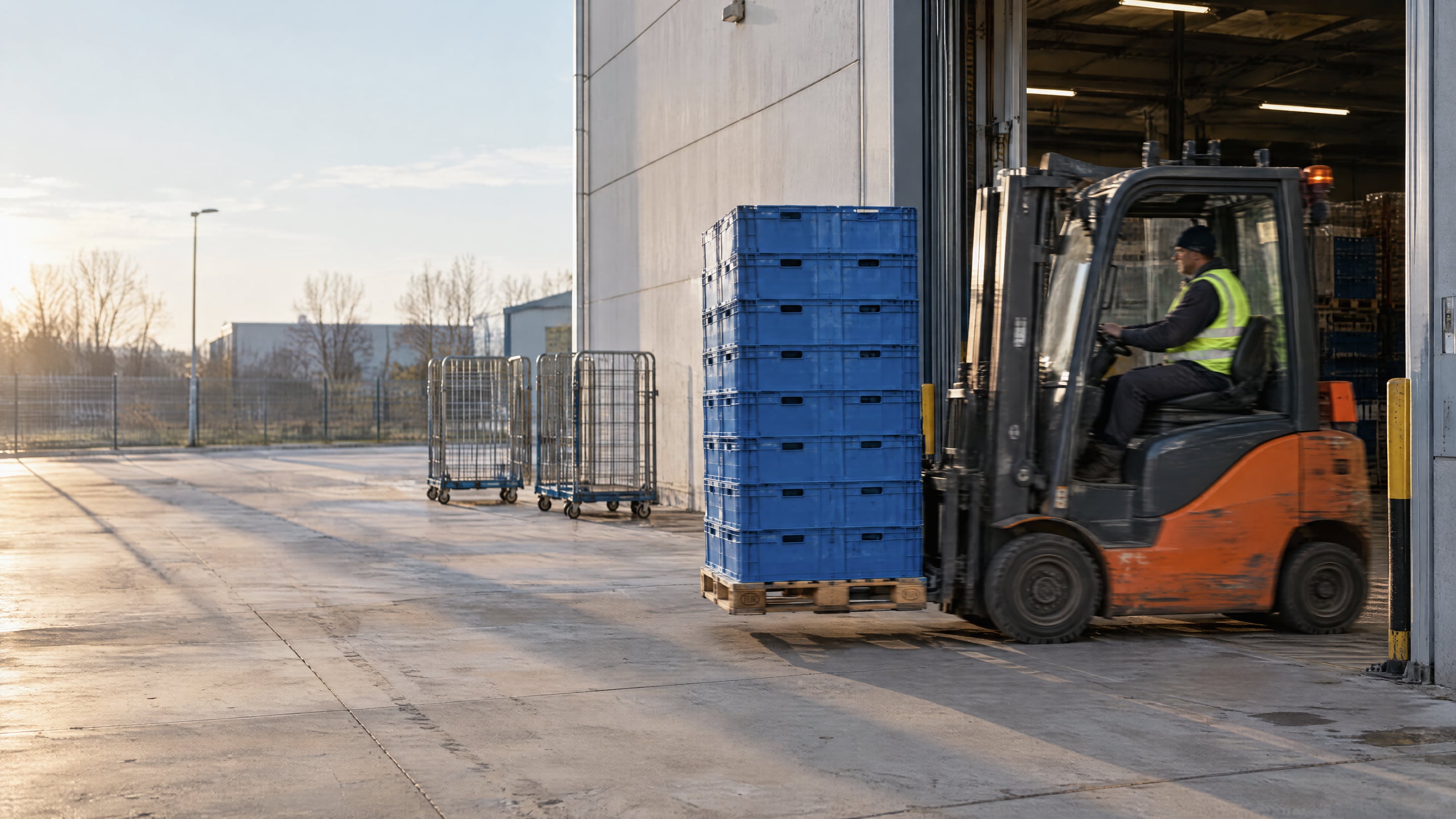
Scanned handovers give both sides one record per movement, so a balance question ends with a lookup instead of a phone call.
Handover data shows which lanes and carriers return pallets and which hold on to them.
Inspection and repair history per pallet shows how long pallets really last in each flow.
No. Rotion runs alongside your TMS and ERP and fills what they do not cover: pallet-level history, loss patterns and per-partner exchange balances. Connectors exist for SAP, Odoo, WMS and TMS.
No. Partners confirm handovers on the web or a phone, and drivers can scan for them. Adoption does not depend on every carrier cooperating.
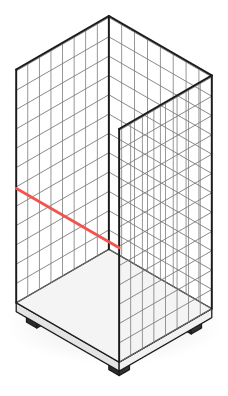
Yes. Rotion keeps per-partner balances for exchange flows and per-pallet history for serialized fleets, in the same system. Plastic pallets, half pallets and mesh pallet boxes run alongside them.
No. With SSCC batching, a full load scans once per handling step while each pallet stays traceable.
No. Exchange balances also work count-based, per load and per partner. Serialized pallets are recommended: Autopilot and the advanced features need an identity per pallet.
Yes. A flexible rental calculator counts the days each partner holds pooled pallets and applies your fees. The results export or push to your invoicing tools, for pooling companies and for operators inside companies.
Every pallet has a holder and a location at all times. Autopilot flags partners whose balance keeps growing and proposes a statement or a collection, so recovery happens before a write-off. Read more in how to stop pallet losses and pooling disputes.
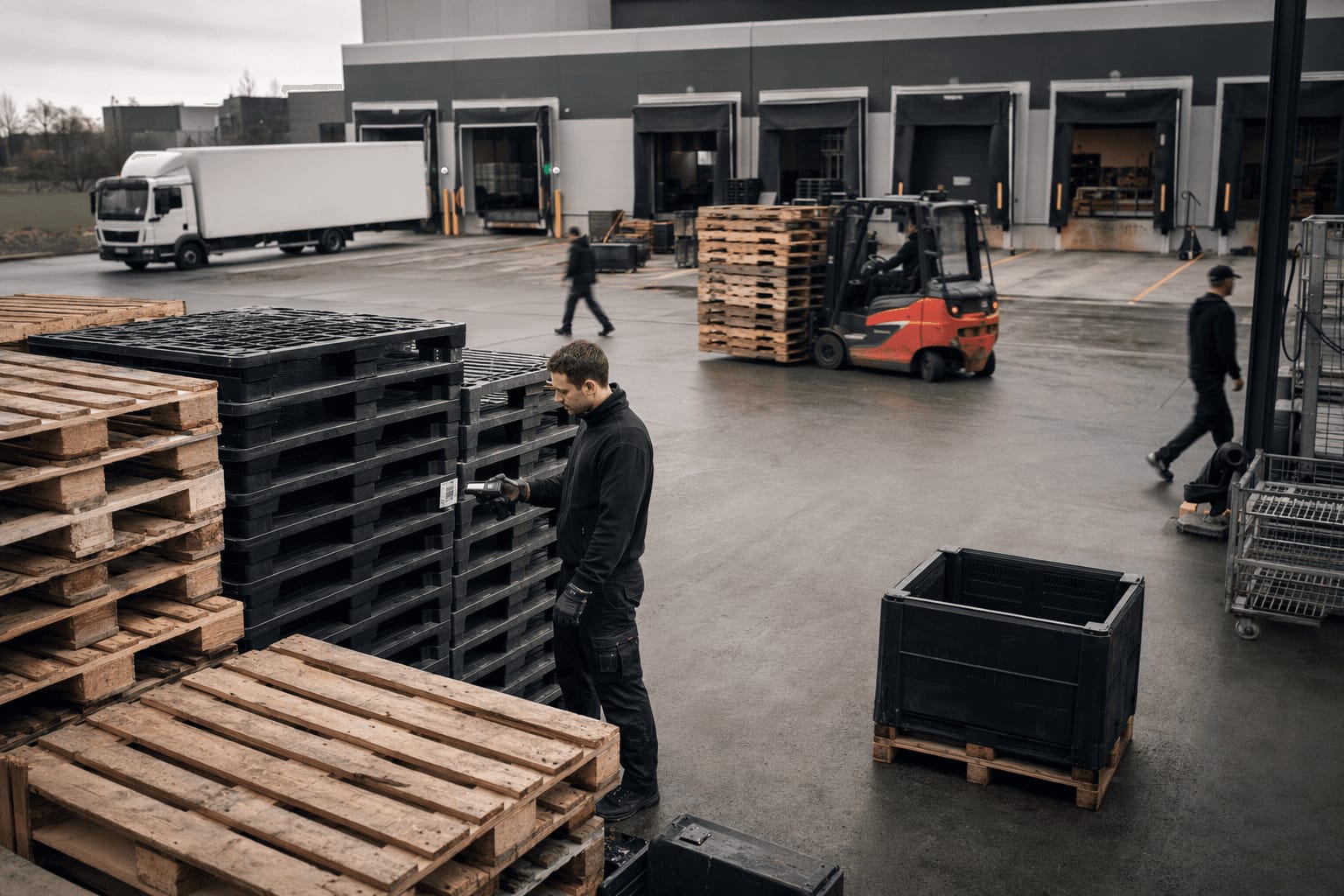
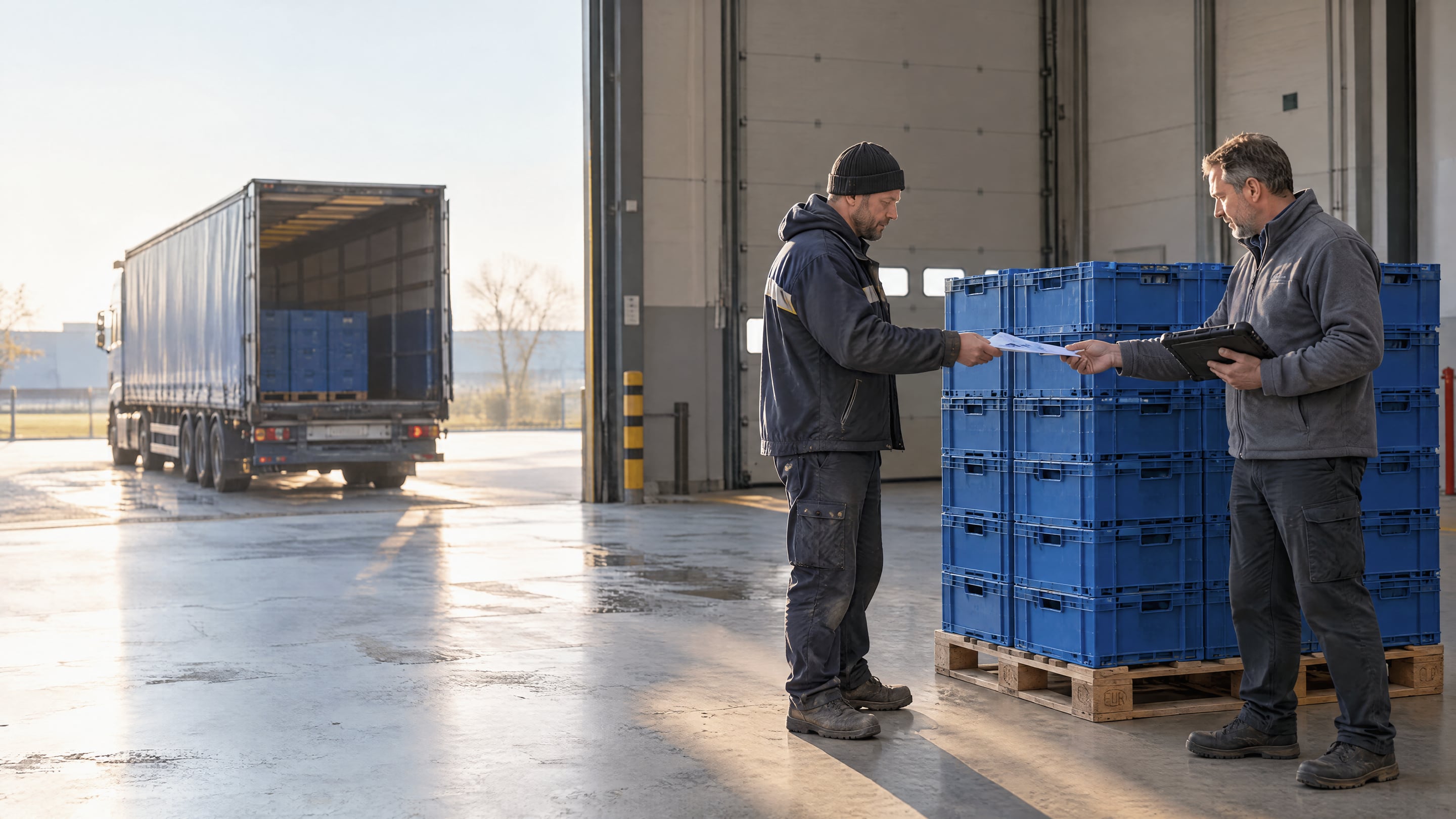 IMG 052 · DC Zellik · 50.8889N 4.2725E
Most teams go live in weeks, on the codes already on their fleet.
AI assistant · answers about Rotion
Hi. Ask me anything about Rotion: how it tracks crates, pallets, kegs and IBCs across partners, what Autopilot does, pricing, or PPWR.