
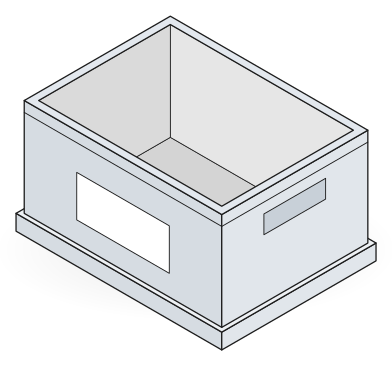
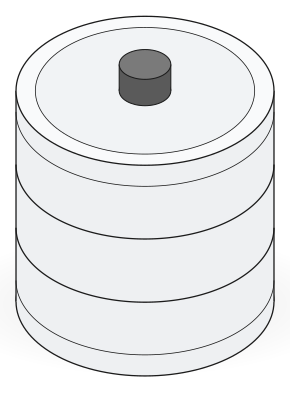
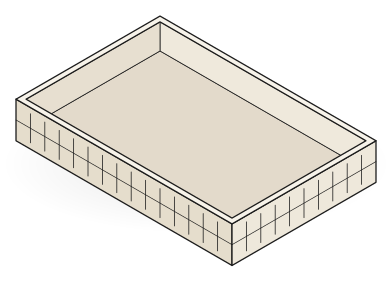
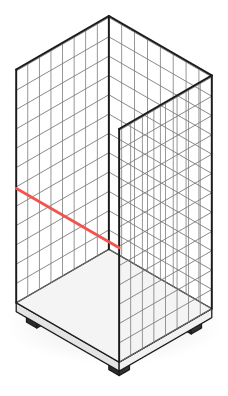
Stores keep what they receive.
Empty totes and roll cages pile up in backrooms, and nobody knows the count until the next delivery runs short.

For brands and retailers
Rotion tracks the trays, totes and roll cages moving between your suppliers, DCs and stores. See who holds what, recover what goes missing and report reuse for PPWR from the same scans.
Rotion gives every reusable tray, tote and roll cage in your loop its own record, shared with your suppliers, carriers and wash partners. It shows which DC, store or supplier holds each asset and flags losses and slow returns. Deposits settle on scan evidence, and the same scans produce the reuse figures PPWR asks for.
Most retail reuse starts with one supplier in one category and region. Control slips when you add stores, products and partners.
Empty totes and roll cages pile up in backrooms, and nobody knows the count until the next delivery runs short.
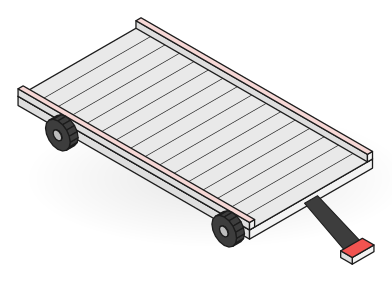
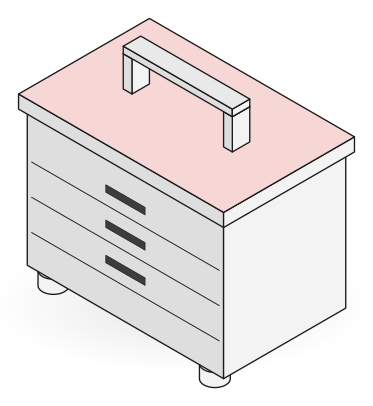
Crates come from one pool, trays from another and roll cages from your own fleet. The numbers never meet in one place.
From 2030, 40% of transport and sales packaging must be reusable. Reuse rates per packaging category have to rest on evidence.
Suppliers, DCs, stores, carriers and wash partners scan what passes through their hands. Each one sees its own part of the loop.
Dispatch filled trays and crates with one batch scan per pallet.
Pick totes and roll cages for stores. Custody follows each load.
Receive, return and count empties with a phone at the back door.
Confirm what they collect from stores and deliver to the DC.
Log wash cycles and inspections, so reuse figures build up per category.
Return packaging at the store and get their deposit back.
Repasys is Belgium’s first large-scale pilot for reusable food packaging. Six supermarket chains sell white mushrooms in one standard reusable tray, and consumers return it at any of them. Rotion runs the system behind it.




Every tray carries a QR code to the GS1 Digital Link standard. Rotion issues the codes and keeps the record behind each one, from the producer line to the return kiosk.
Rotion supplies the scan stations and the in-store return kiosks. A return is designed to take less than three seconds.
A tray bought at one chain can come back at another. Rotion tracks where each tray was sold and returned, and settles the deposit between the retailers.
Retailers, the producer, the wash center and the logistics partners each see their own trays, and nothing commercially sensitive from the others.
Read the Repasys case studyDigital traceability gives reusable packaging a reliable and transparent lifecycle, with countless valuable insights. When we do this on the basis of open standards, a connected ecosystem emerges that speaks the same language, and we can work together towards efficient and scalable implementation. That is how we open the door to a circular future.
In an open loop, consumers return packaging wherever it suits them. Rotion follows each item across stores and settles the deposit between the retailers involved.
The consumer pays a deposit with the product. The tray is linked to the store that sold it.
The consumer scans the tray at a return kiosk in any participating store and gets the deposit back. The kiosk is built for a return in less than three seconds.
Returned trays go to the wash center and back to the producer. Every wash is logged per tray.
Rotion matches where each tray was sold and where it was returned, and nets the deposits between retailers automatically.
| Sold at | Returned at | Trays | Deposit |
|---|---|---|---|
| Fresh Market | Daily Basket | 420 | € 126.00 |
| Daily Basket | Fresh Market | 310 | € 93.00 |
| Green Corner | Fresh Market | 180 | € 54.00 |
| Daily Basket | Urban Grocer | 95 | € 28.50 |
| Urban Grocer | Green Corner | 60 | € 18.00 |
The retailer that sold a tray pays its deposit to the retailer that refunded it.
Field results from operators running Rotion across pools, retail and industry.











Suppliers, DCs, stores and wash centers scan with any phone or reader. Each scan moves custody, so you always know which site holds which asset.
Trays and crates leave the supplier filled. One batch scan per pallet.

Totes and roll cages are picked for stores. Custody follows each load.

Stores and consumers return empties. Returns and deposits log per asset.
Wash centers log cycles and inspections. Reuse figures build up per category.

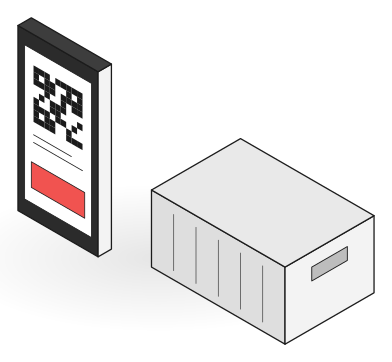
Balances per site and per packaging type, updated with every scan.
Read more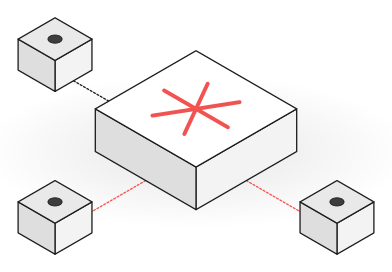
Autopilot flags stores and suppliers where returns slow down or assets disappear.
Read more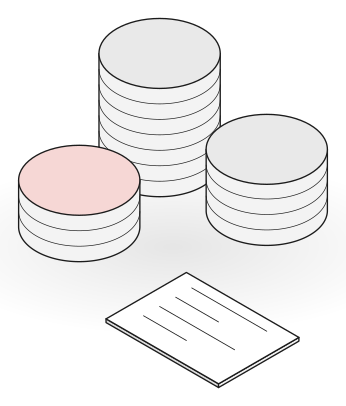
Deposits between suppliers, stores and consumers cleared on the same scan data.
Read more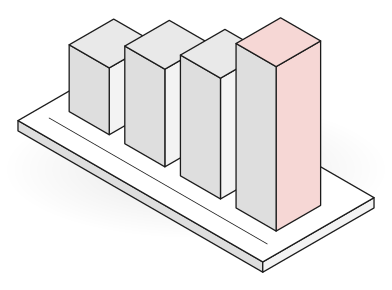
Reuse rates and cycle counts per packaging category and per market.
Read moreAutopilot watches every scan in your loop, flags what is going wrong, proposes the fix with its reasoning, and acts once you approve.
How Autopilot worksStore 112 returned 22% fewer roll cages than it received over the last three weeks.
Deliveries to Store 112 stayed flat while returns on the evening route dropped from week 38. Two other stores on the same route return normally, so the gap sits at this store.
Ask the store manager to confirm the backroom count and add a collection to Thursday’s route.
Brands and retailers that use reusable packaging have to run it in a reuse system and prove their reuse rates. These are the dates that matter for retail loops.
The requirements for reuse systems are in force.
One record per item shows the system at work: issues, returns, washes and losses.
The rules for calculating reuse rates apply.
Cycles and reuse rates per packaging category, counted from scans.
At least 40% of transport packaging must be reusable. Transport packaging between your own sites, or between sites in the same member state, must be 100% reusable. The single-use bans in Annex V apply.
Reuse share per packaging category and per market, ready to report.
The regulation sets higher reuse targets for 2040, subject to a review by the Commission.
Years of history per item, so progress is on record.
No. Rotion is supplier-agnostic and runs several packaging vendors, pool operators and your own fleet side by side. Each asset keeps its history when you change partners.
Under Regulation (EU) 2025/40, operators using reusable packaging must take part in a reuse system since 12 August 2026. Calculation rules for the reuse targets apply from 30 June 2027, and from 2030 at least 40% of transport and sales packaging must be reusable. The PPWR Navigator lists the deadlines that apply to you.
Yes. Rotion runs Repasys, Belgium’s first large-scale reusable packaging pilot for fresh food: 106,312 packages across 6 retailers, with a €0.30 deposit and returns at any participating store. Read the Repasys case study.
Yes. Rotion records where each item was sold and where it was returned, and clears the deposit between retailers from the same scans. No retailer has to reconcile by hand.
You do. Access and sharing rules are set per partner, so each supplier, store and wash center sees only its own part of the loop.
 IMG 052 · DC Zellik · 50.8889N 4.2725E
Most teams go live in weeks, on the codes already on their fleet.
AI assistant · answers about Rotion
Hi. Ask me anything about Rotion: how it tracks crates, pallets, kegs and IBCs across partners, what Autopilot does, pricing, or PPWR.