
Revenue ends at delivery.
You sell a crate once. The value of every cycle after that goes to others.

For packaging manufacturers
Rotion adds a digital identity, a packaging passport and reuse data to the packaging you make. Offer tracking and reporting as a service and earn after the sale, without running fleets yourself.
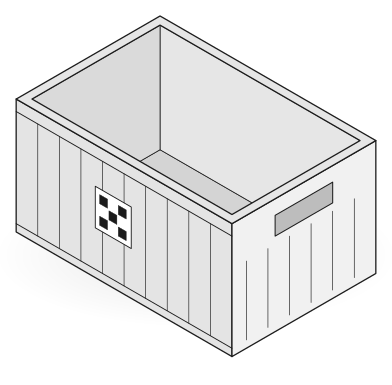
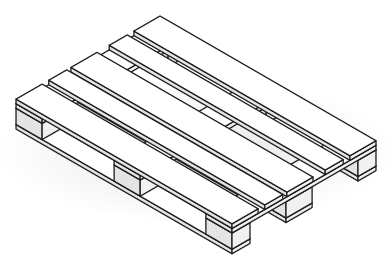
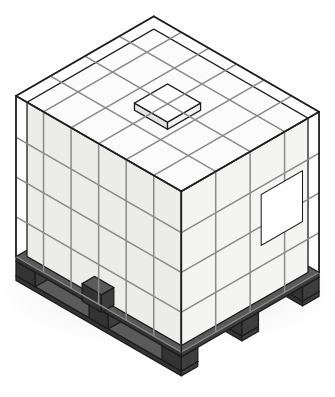
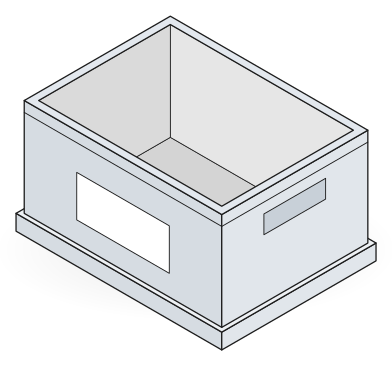
Rotion gives each crate, tray, pallet or IBC you produce a digital identity and a passport from the end of the production line. Your customers use it to track, settle and report reuse, and you offer it as part of the product or as a service with recurring revenue.
Buyers compare reusable packaging on price per unit. Under PPWR they also need proof that it circulates.
You sell a crate once. The value of every cycle after that goes to others.
Brands and pool operators want cycle counts, loss rates and reuse figures per item. Plain plastic cannot answer.
Without usage data you do not know how long a design lasts, where it breaks or when a customer will reorder.
Sell the crate once, or sell it with tracking, passports and reporting as a yearly service. The crate and the customer stay the same, and you earn a second line of revenue for as long as the crate circulates.
| Year | Sale | Service | Cumulative |
|---|---|---|---|
| 1 | 112,800 | 21,6000 | 134,400112,800 |
| 2 | 0 | 21,6000 | 156,000112,800 |
| 3 | 0 | 21,6000 | 177,600112,800 |
| 4 | 0 | 21,6000 | 199,200112,800 |
| 5 | 0 | 21,6000 | 220,800112,800 |
| 6 | 0 | 21,6000 | 242,400112,800 |
| 7 | 0 | 21,6000 | 264,000112,800 |
| 8 | 0 | 21,6000 | 285,600112,800 |
| Total | 112,800 | 172,8000 | 285,600112,800 |
Service: Track and report at €1.80 per crate per year.
Prices are set by you. Rotion’s fee to you is agreed separately.
Your packaging leaves the line with an identity. Every party that handles it after that adds to the same record.
Gives each item its identity and passport at the end of the line.
Track, settle and report reuse for the packaging you supply.
Scan packaging in and out as they fill and ship it.
Run your packaging in their pool, on the same record.
Log wash cycles and inspections per item.
Record the end of life, so the passport closes with the last step.
Each crate gets its code and passport at the end of the line, by a scan station on the line or a batch import of codes. You keep one view across every customer that uses your packaging. Each customer sees only its own.

Design minimum 100 cycles · life 8 years · a passport per crate
FlaggedDwell at its second DC rose from 6 to 19 days since August.14% fewer cycles per crate than other customers on this design. At this rate it will reorder about 900 crates it already owns.
Field results from operators running Rotion across pools, retail and industry.














The identity starts at your production line and follows the item through every customer, filler and wash center. Each scan adds to its passport.
Each item gets a code and a passport at the end of the line.
Batches ship to the brand, retailer or pool operator under their account.

Customers scan at each handover. Cycles, washes and damage log per item.

Damaged items come back for repair or recycling with their full history.


Lifecycle data per item, transferable between customers and partners.
Read more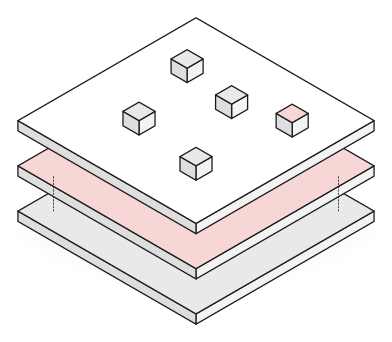
Where your packaging sits, how often it rotates and how much stands idle, per customer.
Read more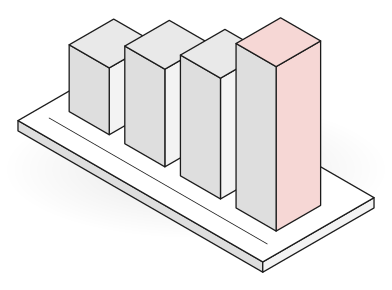
Customers report cycles, rotation and losses without building data pipelines.
Read more
Connects to customer ERP and WMS systems and to GS1 identifiers through one platform.
Read moreAutopilot watches every scan in your loop, flags what is going wrong, proposes the fix with its reasoning, and acts once you approve.
How Autopilot worksCustomer 08 runs 14% fewer cycles per crate than other customers on the same design.
Dwell time at the second DC of Customer 08 rose from 6 to 19 days since August. At this rate the customer will reorder about 900 crates it already owns.
Share the dwell report with Customer 08 and propose a fleet review before the next order.
Bundle Rotion with your packaging, or resell it under your own name. You set the tiers and the prices; Rotion runs the platform, the scan apps and the updates.
| Customer | Tier | Crates | Per crate per year | Annual, EUR |
|---|---|---|---|---|
| Customer 08 | Track and report | 12,000 | 1.80 | 21,600 |
| Customer 14 | Passport | 8,000 | 0.60 | 4,800 |
| Pool operator 03 | Deposits and settlements | 10,000 | 2.40 | 24,000 |
Molda Crates is a fictional manufacturer brand.
No. Rotion is the software layer on top of your physical packaging. You keep selling packaging, and Rotion provides the platform, scan apps, updates and partner portal.
No. Rotion works with existing designs and reads QR, barcode, RFID or GS1 codes. You can add digital capability per product line or per customer.
You keep the customer relationship. Data ownership is set per use case and can be transferred where needed. Rotion owns no fleets and does not compete for your customers.
A passport turns a crate into a system customers can report on. Each item carries its identity, cycles and condition across every partner that handles it. See the digital packaging passport.
Rotion records reuse cycles per item, so customers can evidence reuse rates without manual counts. PPWR calculation rules apply from 30 June 2027 and reuse targets from 2030. The PPWR Navigator shows the deadlines.
Yes. You can bundle Rotion with your packaging as Rotion, or resell it under your own name with your own portal. You set the service tiers and the prices for your customers; Rotion runs the platform, the scan apps and the updates.
Yes. You get one view across every customer that uses your packaging: crates held, cycles per item against the design minimum, idle stock and dwell. Each customer sees only its own crates.
Either works: a scan station at the end of the production line, or a batch import of the codes you print or mold into the crates. The passport starts there and transfers when a crate changes owner.
 IMG 052 · DC Zellik · 50.8889N 4.2725E
Most teams go live in weeks, on the codes already on their fleet.
AI assistant · answers about Rotion
Hi. Ask me anything about Rotion: how it tracks crates, pallets, kegs and IBCs across partners, what Autopilot does, pricing, or PPWR.