
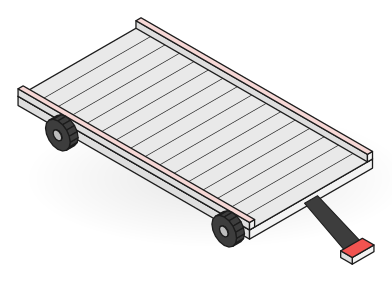

What is a digital packaging passport?
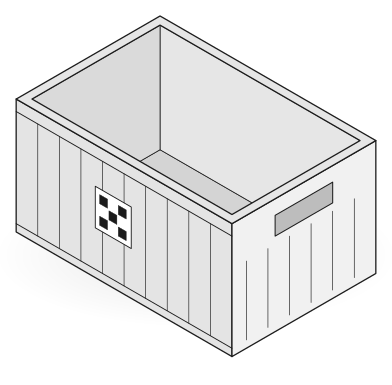
A digital packaging passport is the digital record of one reusable packaging asset over its whole life. In Rotion it is tied to a GS1 identifier on a QR code, barcode or RFID tag, and holds the asset’s type, material, cycles, washes, repairs, inspections, current holder and end-of-life data. It is updated by the scans of everyone who handles the asset.
- GS1 GRAI identity on QR, barcode or RFID
- Lifecycle events logged at every scan
- Material and end-of-life data per asset
One record per asset, for life.
The passport opens at the first scan. Every partner who handles the box adds a dated entry, from the app, the portal or a connected system, until the box is retired.
- C2Jul 13, 2025Made, batch 2024-11, PP injection mouldedCustomer 22 portal
- C2Jul 13, 2025GRAI label printed, under the owner’s company prefixCustomer 22 portal
- C2Jul 13, 2025Registered at the first scan, passport openedCustomer 22 app
- C2Jul 13, 2025Identifier linked, the existing barcode stays readableCustomer 22 connected system
- 1Cycle 1
- C2Jul 14, 2025Dispatched, to Store 2214wash 1Customer 22 appJul 15Delivered by Carrier NordlaneJul 28Returned by Store 2214Jul 30Washed at Wash center B
- Cycles 2 to 87 cycles, 28 handovers, 7 washesAug 2025 to Jan 2026Show entries
- 9Cycle 9
- STFeb 27, 2026Returned, hinge cracked, flagged at the return scanStore 2214 appphoto attached
- RBMar 2, 2026Repaired, hinge replaced, sent here instead of the washRepair bay 3 apprepair note added
- Cycles 10 to 156 cycles, 24 handovers, 6 washesMar 2026 to Aug 2026Show entries
- 16Cycle 16
- CNSep 13, 2026Delivered, to Store 2214Carrier Nordlane connected systemSep 12Dispatched by Customer 22Sep 25Returned by Store 2214
- WBSep 27, 2026Washedwash 15Wash center B app
- WBSep 28, 2026Inspection passed, walls, base, hinges, labelWash center B app
- 17Cycle 17, current
- C2Oct 10, 2026Dispatched, to Store 2214Customer 22 app
- STOct 11, 2026Received, delivered by Carrier NordlaneStore 2214 appNow
- APOct 20, 2026Inspection scheduled, at the next washAutopilot asset type rule
- Rnot yetRetired, not yet
- Status
- retired
- Reason
- worn or below spec at inspection
- Route
- PP regrind, back to material
A passport filled by every scan.
The passport is created once and grows with every handling step. Nobody types it in.
- 01
Register
Existing codes map in as identifiers. Assets without a code get a GS1 label with a Digital Link.

- 02
Circulate
Each handover adds the holder, the place and the time to the passport.

- 03
Wash and repair
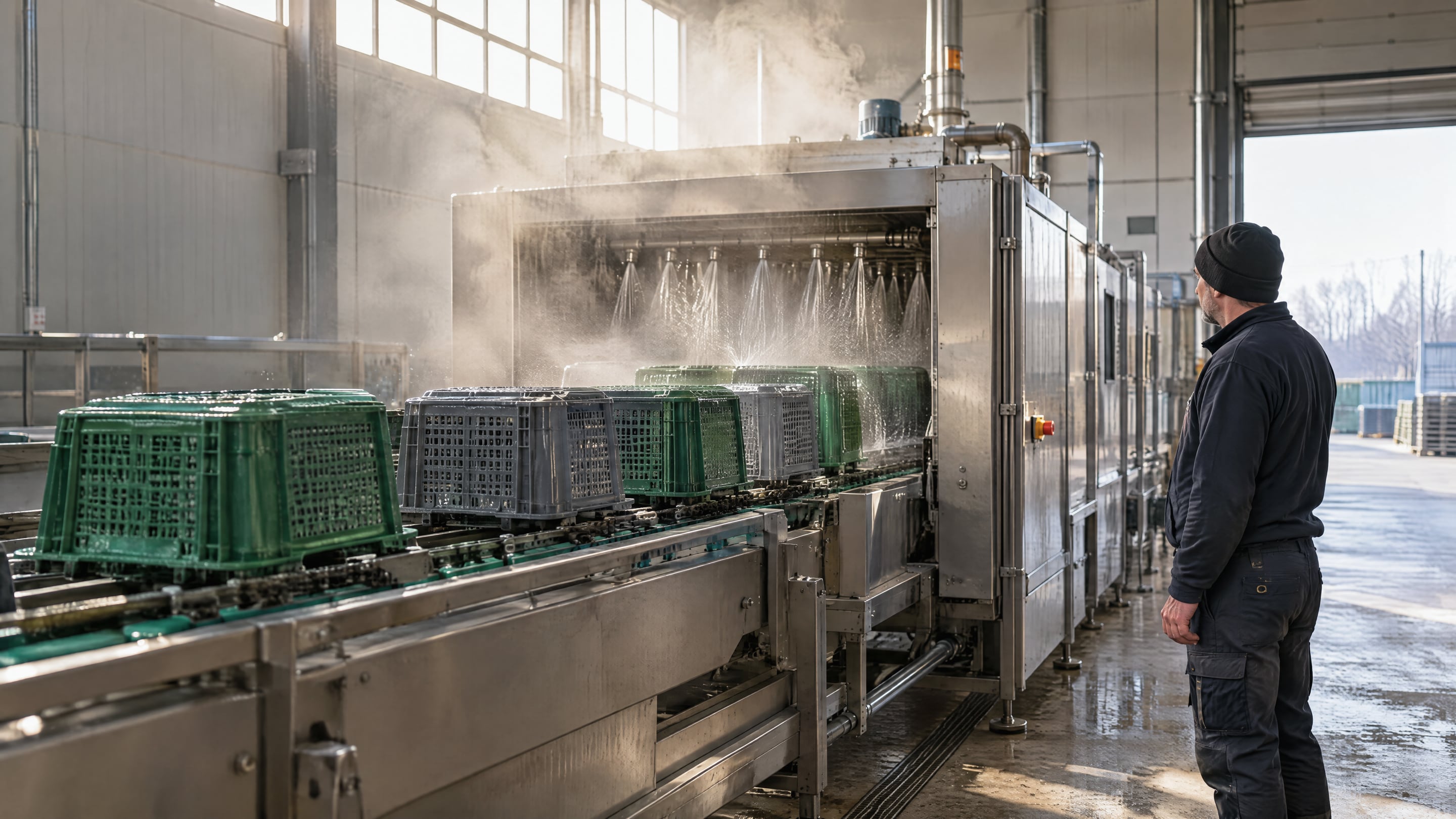
Wash cycles, inspections and repairs are logged per asset, with the station that did them.
- 04
Retire
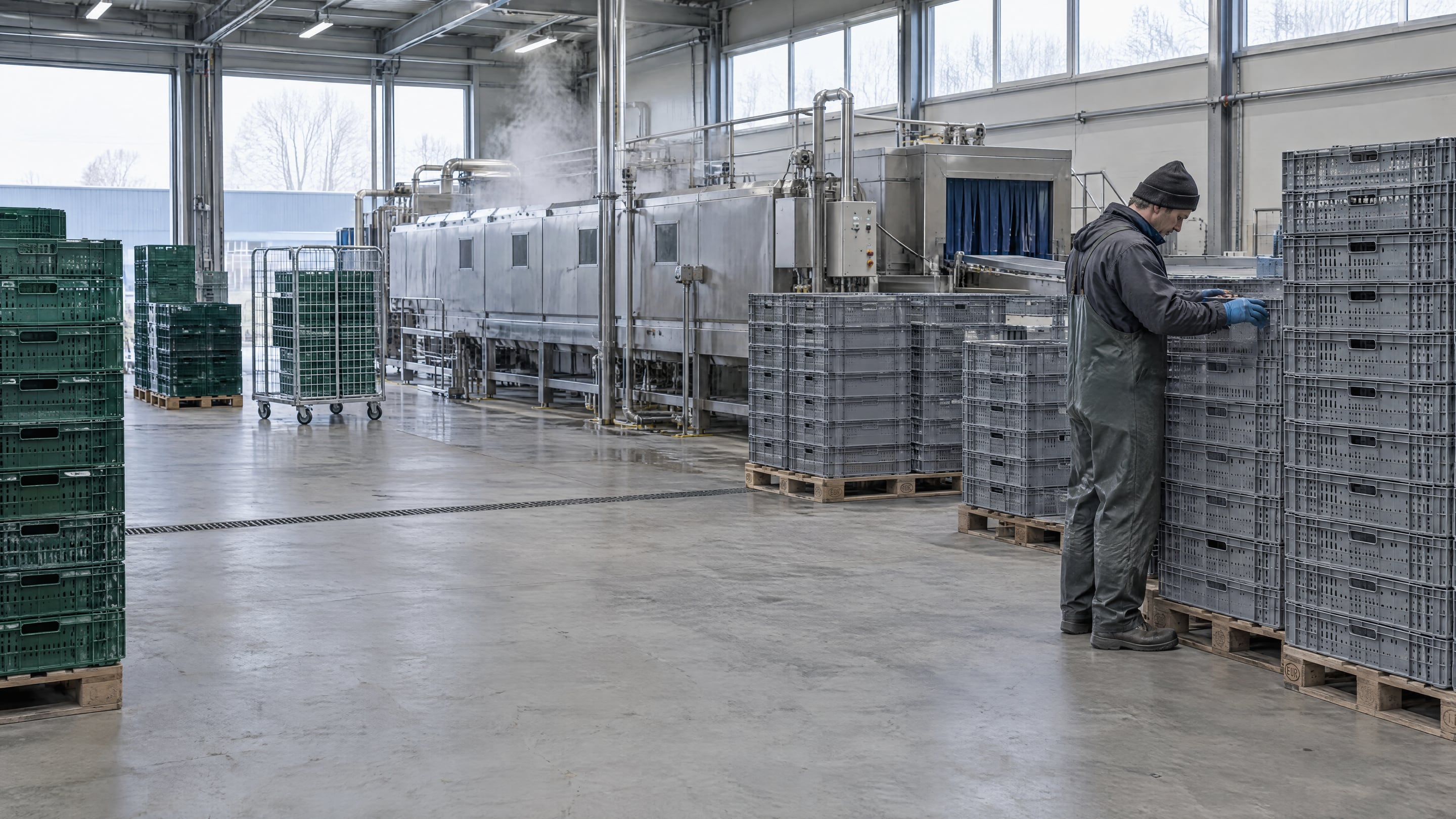
When an asset leaves the loop, the passport records why and where its material goes.
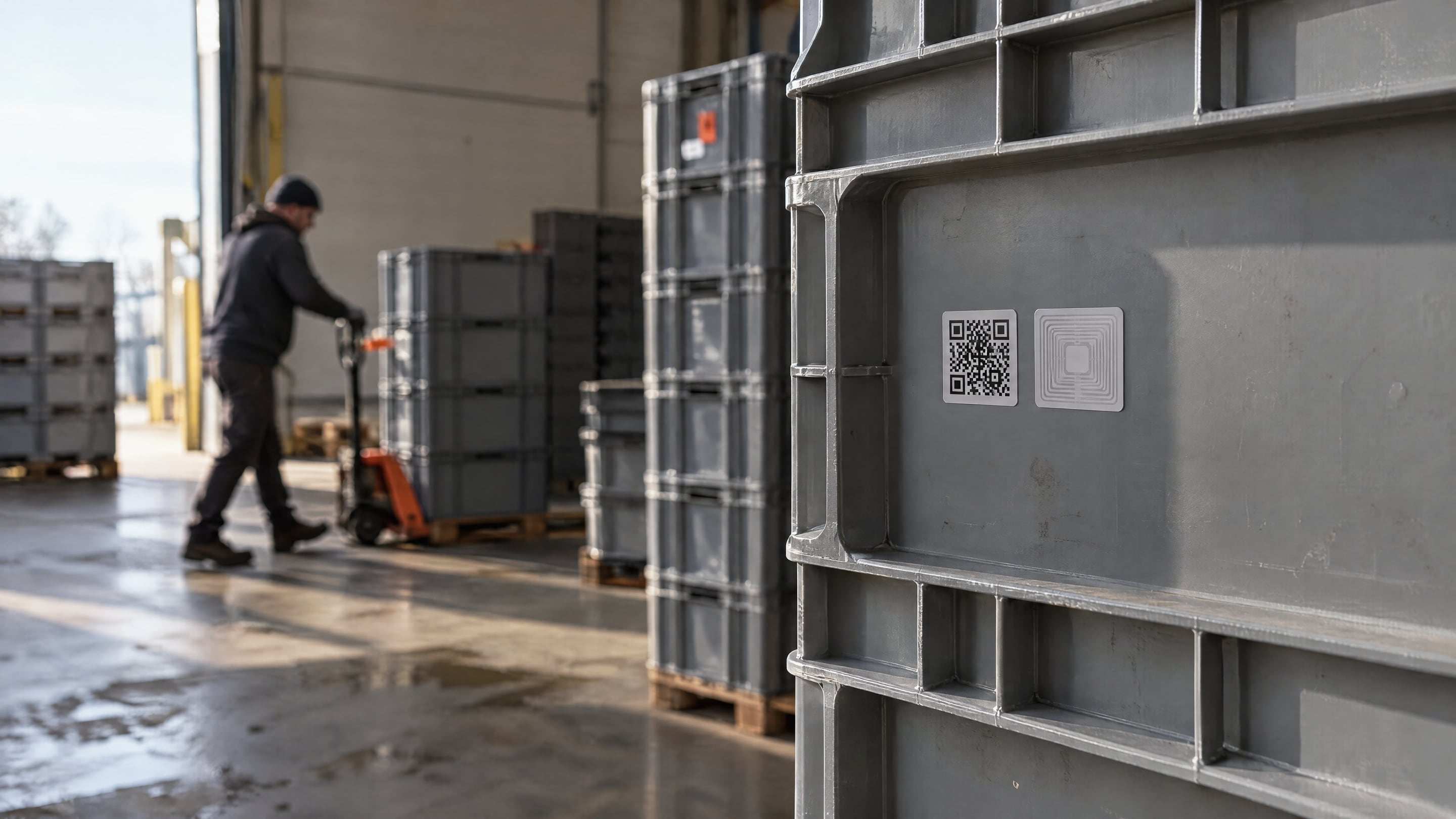
A GS1 key any system can read.
Each asset carries a GRAI, the GS1 key for returnable assets. Rotion prints the label under your own company prefix and puts the same key on every carrier the label holds.
Weights 3 and 1 alternate over the 13 digits before it. A misread digit fails the check.
Round up to 70
70 - 66 = 44
- 1QR with GS1 Digital Link
https://id.loop.example/8003/08712345000424412Any phone camera opens the public view, without an app.
- 2GS1-128 barcode
(8003) 08712345000424412Read by the handheld and dock scanners partners already use.
- 3RFID, EPC GRAI-96
urn:epc:id:grai:8712345.00042.412Gates and readers count a full stack without line of sight.
An old customer barcode becomes a second identifier on the same passport, so nothing needs relabeling.
CRT-600400-0412GRAI …412An SSCC on the pallet links the boxes on it, so a full pallet is handled in one scan.
Labels print under the owner’s own GS1 company prefix. The keys stay yours if you change systems.
It notices first.
Autopilot watches every scan in your loop, flags what is going wrong, proposes the fix with its reasoning, and acts once you approve.
How Autopilot works96 crates in the Customer 22 loop logged a third hinge repair in 10 cycles.
All 96 come from production batch 2024-11 and failed at the same wash station. Crates from other batches on the same route show one repair in 40 cycles.
Pull batch 2024-11 from circulation at the next wash and open a claim with the supplier.
Each reader sees their part.
One passport, three readers. The owner decides what each partner sees and what the public sees after scanning the label with a phone camera.
- GRAI(8003) 08712345000424412Not shared with Wash center BNot published
- TypeReusable box 600 x 400, type code 00042Not shared with Wash center BNot published
- MaterialPPNot shared with Wash center BNot published
- ReusableYes, design minimum 100 rotationsNot shared with Wash center BNot published
- How to return itHand it in at any Customer 22 storeNot shared with Wash center BNot published
- Cycle count16 completed, now in cycle 17Not shared with Wash center BNot published
- Weight2.1 kgNot shared with Wash center BNot published
- ConditionGood. Inspection passed Sep 28, 2026, next due Oct 20, 2026Not shared with Wash center BNot published
- Washes15, the last on Sep 27, 2026 at Wash center BNot shared with Wash center BNot published
- Own handoversReceived Sep 25, 2026, released Sep 30, 2026Not shared with Wash center BNot published
- Current holderStore 2214 since Oct 11, 2026Not shared with Wash center BNot published
- Repairs1, hinge replaced on Mar 2, 2026 at Repair bay 3Not shared with Wash center BNot published
- Deposit value€4.50Not shared with Wash center BNot published
- DocumentsMaterial declaration, batch test report, repair noteNot shared with Wash center BNot published
- Full routeCustomer 22, Carrier Nordlane, Store 2214, Wash center BNot shared with Wash center BNot published
The dates below come from the regulation. The passport holds the reuse data you will report on.
- Aug 12, 2026PPWR applies.
- Jun 30, 2027Calculation rules due.
How reuse is counted gets fixed.
- Jan 1, 2030Reuse targets start.
At least 40% of transport packaging used between companies must be reusable, counted across pallets, crates, boxes, trays and IBCs together. 100% between your own sites or within one member state.
Data carrier on the pack.Reusable packaging will have to carry a QR code or other digital data carrier with reuse information. No date is set yet.
Passport, a separate instrument.The digital product passport comes from ESPR, the ecodesign regulation, not from PPWR.
Your data, portable.Passport data exports in full and is available through the API.
Field results from operators running Rotion across pools, retail and industry.














Where passports are used.
Q.01What is the difference between a digital packaging passport and a digital product passport?
A digital product passport describes a product type and its materials for consumers and regulators. A digital packaging passport in Rotion follows one physical reusable asset through its life and is updated at every handover. Read how Rotion differs from DPP platforms.
Q.02Does PPWR require a digital packaging passport?
PPWR, Regulation (EU) 2025/40, sets reuse targets and labelling rules for packaging, and further details follow in implementing acts. Rotion keeps the per-asset data those rules build on, so the evidence already exists when they apply. See how PPWR is changing the packaging industry.
Q.03Which identifiers does the passport use?
Rotion uses GS1 identifiers such as the GRAI for returnable assets, carried on a QR code, barcode or RFID tag. QR codes follow GS1 Digital Link, so anyone can scan them with a phone camera. Codes already on your fleet map in, so relabeling is rarely needed.
Q.04Who can see an asset’s passport?
You decide. Access is set per partner and per role, so a carrier sees custody events while your wash center sees cleaning and inspection data. Public scans of a Digital Link code show only what you choose to publish.
Q.05Can we add our own fields to the passport?
Yes. Each asset type carries its own attributes, such as material, weight, dimensions, deposit value, contents and inspection intervals, and each passport can hold documents such as declarations, test reports and photos. Lifecycle events fill in automatically from scans and from the systems you connect.
Q.06Can passport data leave Rotion?
Yes. Passport data exports as a file and is available through the API, so your ERP, a reporting tool or an auditor can read it. The GS1 identifiers stay readable by any GS1 system, with or without Rotion.