
Losses sit at customers.
Linen and workwear go missing on wards, in hotel rooms and in lockers. The shortfall shows up as a replacement order.

For garment and textile rental
Rotion tracks workwear, hospital and hotel linen, uniforms and rental fashion item by item. Read RFID tags in the laundry, count wash cycles per garment and see which client holds what.
Rotion gives every garment or linen item its own record, read from an RFID tag or code at each step. It counts wash cycles per item, shows which client, site or wearer holds it, flags losses at customers and shares each client’s data with that client only.
Most textile services know how many items each client should have. They do not know which items, or how many washes each one has left.
Linen and workwear go missing on wards, in hotel rooms and in lockers. The shortfall shows up as a replacement order.
Without cycles per item you retire garments too early or send worn ones back out.
Manual entry for intake, sorting and dispatch takes hours and is out of date by the next delivery.
Each read at the laundry adds a cycle to the garment. You see which items reach their wash limit this quarter, before you retire good ones or send worn ones back out.
Washes so far
56 jackets reach their limit this quarter. Order replacements now.
Create replacement orderLimits are set per garment type. Rotion counts the washes, you decide when to retire.
Garments and linen pass between clients, wearers and your laundry many times a year. Each read adds to the record of the item.
See the garments at their own sites and their own losses, and nothing else.
Receive and return their own workwear.
Reads every item in and out and counts its wash cycles.
Matches clean items to clients and wearers before dispatch.
Logs repairs per item, so you know what each garment has had.
Delivers clean items and collects soiled ones, with a read at each stop.
Field results from operators running Rotion across pools, retail and industry.













RFID gates and handheld readers record items in batches. Each read moves custody, so every garment has a holder.
Garments and linen leave the depot per client and site. One read per trolley.

Items are worn, used and stored at the client. Custody stays with the site.

Soiled items read in at the laundry. Each wash adds a cycle to the item.

Items are inspected, repaired or retired, then sorted for the next delivery.

Every delivery and every intake at the laundry is read per item, so the shortfall per client has a number and a list.
The gap starts in week 37 and is spread across floors 1 to 5. Equal shares on every floor point to towels leaving with guests, not a stuck trolley.
Statement, bath towels not returned
Accepted charges go to your invoicing
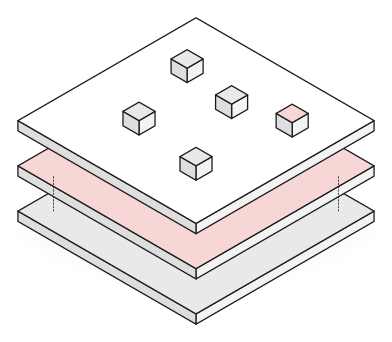
Cycle counts and wash history per garment, from every RFID read.
Read more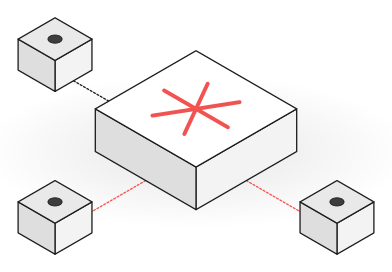
Autopilot flags clients and sites where items go in and fewer come back.
Read more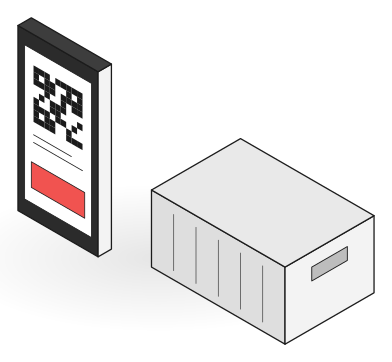
What each client, site or wearer should hold, against what was read.
Read more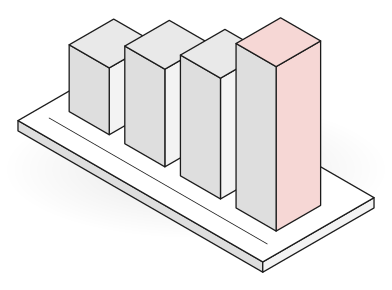
Each client sees its own garments, washes and losses, ready to share.
Read moreAutopilot watches every scan in your loop, flags what is going wrong, proposes the fix with its reasoning, and acts once you approve.
How Autopilot worksHotel 6 returned 9% fewer bath towels than it received over the last four weeks.
Deliveries stayed at 1,800 towels a week while intake at the laundry fell from week 37. The gap is spread across all floors, which points to towels leaving with guests rather than a stuck trolley.
Send Hotel 6 a balance statement and propose a charge for the 650 towels not returned.
No. Rotion runs alongside them and adds what they lack: identity per item, wash cycles, custody per client and partner views. It replaces the Excel files, not your core systems.
Yes. Rotion takes batch reads from RFID tunnels, gates and handheld readers, as well as QR and barcode scans. Each read updates the location, holder and wash count of the item.
Inventory systems count stock per client. Rotion follows each garment through its life: who held it, how often it was washed, when it was repaired and where it went missing.
No. Access is set per client. Each client sees only its own garments and data, and you decide what is shared.
Each garment carries its lifecycle, wash and repair history, which you can share with brands and clients when they ask for it. The same record can feed digital product passports as brands start to need them under ESPR.
Yes. You set a wash limit per garment type. Rotion counts every wash from the laundry reads, shows which items reach the limit within the period you choose and lists them per client, so you order replacements before worn garments go back out.
Yes. Workwear can be assigned to a named wearer with a size and a locker, and loss charges per client can be exported or pushed to your invoicing. Laundries you work with can join as partners and read items in and out with their own readers.
 IMG 052 · DC Zellik · 50.8889N 4.2725E
Most teams go live in weeks, on the codes already on their fleet.
AI assistant · answers about Rotion
Hi. Ask me anything about Rotion: how it tracks crates, pallets, kegs and IBCs across partners, what Autopilot does, pricing, or PPWR.