




The Packaging and Packaging Waste Regulation, Regulation (EU) 2025/40, entered into force on 11 February 2025 and has applied in all 27 Member States since 12 August 2026. It sets bans on some single-use formats, reuse targets for transport, grouped, beverage and takeaway packaging, and rules for how reuse is calculated.
Reuse targets need evidence. Rotion produces reuse rates and cycle counts from asset-level scans. See reuse reporting.
- 12 Aug 2026General applicationThe regulation applies; reuse system requirements in force.
- 12 Feb 2027Bring your own containerTakeaway sellers accept customer-brought containers.
- 30 Jun 2027Calculation rulesRules for calculating reuse rates apply.
- 12 Feb 2028Reusable takeaway optionTakeaway sellers offer a reusable option.
- 1 Jan 2030Bans and reuse targetsSingle-use bans in Annex V and the 2030 reuse targets apply.
- 2040Higher targetsIndicative reuse targets rise for 2040.
Transport & LogisticsMandatory
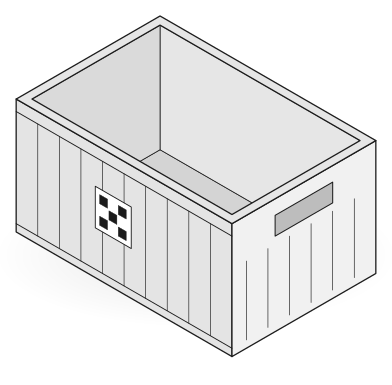
Cardboard shipping boxes (B2B transport)Foldable/nestable plastic crates or totes- Deadline
- 40% transport reuse target by 2030, 70% by 2040
- What the regulation says
- Art. 29 transport packaging reuse target: 40% by 2030, 70% by 2040 (indicative). Applies to B2B shipments between sites or partner enterprises (100% target).
- What changes in operations
- Drop-in replacement. Only process change is return logistics. Compatible with existing conveyors, WMS, forklifts.
- What it costs
- Per-crate unit cost moderate; scales with fleet size. Tracking layer adds per-asset cost.
- Sectors
- Cross-sector
Transport & LogisticsRecommended
Stretch wrap / pallet film (LDPE)Reusable pallet covers (Bearhug, Return2Sender, elastic nets)- Deadline
- Supports 2030 transport reuse and 2030 waste reduction targets
- What the regulation says
- Counts toward Art. 29 transport reuse target. Reduces plastic waste footprint under Art. 43 waste reduction targets (-5% by 2030, -15% by 2040).
- What changes in operations
- Minimal operational change. Requires stock of covers and return loop. No equipment changes.
- What it costs
- Low per-unit cost. No equipment changes. Scales incrementally with pallet volume.
- Sectors
- Cross-sector
Transport & LogisticsRecommended
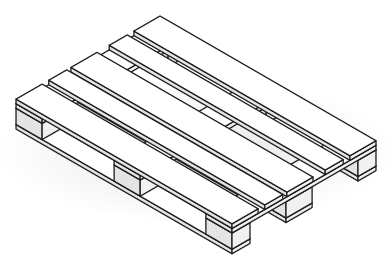
Single-use wooden pallets (one-way)Pooled standardised pallets (EUR/EPAL, CHEP-style)- Deadline
- Supports Art. 29 B2B transport target 100% by 2030
- What the regulation says
- Already mature pooling model; reinforced by Art. 29 B2B transport targets. EPR eco-modulation will penalise single-use alternatives.
- What changes in operations
- Mature pooling ecosystem exists. Main change is service contract vs. purchasing.
- What it costs
- Operational expense via pooling service; no ownership CapEx.
- Sectors
- Cross-sector
Transport & LogisticsRecommended
Big bags / FIBCs for bulk goodsReusable palletboxes or reusable IBCs- Deadline
- Art. 29 transport reuse 40% by 2030; 70% by 2040
- What the regulation says
- Falls under Art. 29 transport reuse targets where applicable. Bulk contact packaging has conditional exemptions depending on product (food/chemical).
- What changes in operations
- Unloading paradigm shift: from cut-and-dump to tilt/vacuum extraction. Often requires new filling and discharge stations, dust management, cleaning infrastructure.
- What it costs
- Palletbox unit cost €100 to €800+ plus filling/discharge stations, dust management, cleaning infrastructure. Significant fleet investment.
- Sectors
- Chemicals, food ingredients, agriculture
Transport & LogisticsMandatory
Corrugated trays for grouped transportReturnable Plastic Containers (RPCs), stackable trays- Deadline
- Grouped packaging (non-cardboard) 10% reuse by 2030, 25% by 2040
- What the regulation says
- Art. 29 grouped packaging (non-cardboard) reuse target: 10% by 2030, 25% by 2040. Cardboard exempt but RPC systems count toward overall 40% transport target.
- What changes in operations
- Needs pooling infrastructure, wash cycles, reverse logistics. Widely adopted in FMCG/produce (EPS, IFCO model).
- What it costs
- RPC unit cost plus pooling/wash infrastructure. Usually accessed via service model (EPS, IFCO).
- Sectors
- FMCG, produce, grocery
Fresh Produce & RetailMandatory
Plastic trays, nets, bags for fresh fruit & veg <1.5kgReusable retail crates, open display in bulk bins- Deadline
- Hard EU-wide ban from 1 Jan 2030
- What the regulation says
- Art. 25 + Annex V: EU-wide ban from 1 Jan 2030 on single-use plastic packaging for unprocessed fresh produce under 1.5kg (limited safety exceptions).
- What changes in operations
- Shelf and merchandising redesign. Hygiene and shrinkage concerns. Checkout process may need SKU identifiers on crates, not items.
- What it costs
- Shelf and merchandising redesign, crate fleet, checkout process changes. Store-level rollout cost.
- Sectors
- Grocery retail, produce suppliers
Fresh Produce & RetailRecommended
Cardboard fruit crates (one-way)Foldable plastic fruit/veg crates (pooling)- Deadline
- Supports Art. 29 transport reuse 40% by 2030
- What the regulation says
- Counts toward Art. 29 transport reuse. Well-established via EPS, Euro Pool, IFCO. Eco-modulation of EPR fees will favour reusables.
- What changes in operations
- Mature pooling ecosystem. Retailer-supplier coordination needed but industry standard exists.
- What it costs
- Typically accessed via pooling service (OpEx not CapEx). Pay-per-trip model.
- Sectors
- Grocery retail, produce
Fresh Produce & RetailMandatory
Single-use plastic packaging for mushrooms, berries, soft fruitsReusable deposit-return trays (Repasys-style)- Deadline
- Under Art. 25 <1.5kg produce ban from 2030
- What the regulation says
- Under the <1.5kg fresh produce ban (Art. 25 + Annex V) from 2030. Reusable deposit systems are the primary compliant replacement.
- What changes in operations
- Requires deposit system, consumer education, return points at retail. Proven in Belgian pilots.
- What it costs
- Deposit system infrastructure, return points, consumer-facing tracking. Proven at retailer scale in Belgian pilots.
- Sectors
- Grocery retail
HORECA & TakeawayMandatory
Single-use plastic cups, plates, cutlery (dine-in)Reusable tableware, washable cups, branded mugs- Deadline
- Hard EU-wide ban from 1 Jan 2030
- What the regulation says
- Art. 25 + Annex V: EU-wide ban from 1 Jan 2030 for on-site HORECA consumption. Includes cups, plates, trays, service-ware.
- What changes in operations
- Requires dishwashing capacity. Cost savings usually rapid given per-unit price differential.
- What it costs
- Tableware restock (typically already exists in most venues). Dishwasher capacity may need upgrading.
- Sectors
- HORECA, events
HORECA & TakeawayMandatory
Takeaway cups and containers (coffee, food-to-go)Reusable takeaway container systems (Vytal, Recup, Billie Cup)- Deadline
- Accept customer-brought containers from 12 Feb 2027; offer a reusable option from 12 Feb 2028; 10% reuse aim by 2030
- What the regulation says
- Art. 32: from 12 February 2027 takeaway sellers must accept customer-brought containers at no extra charge. Art. 33: from 12 February 2028 they must offer a reusable packaging option within a system for reuse (micro-enterprises are exempt from Art. 33). Reuse aim of 10% by 2030.
- What changes in operations
- Needs deposit system, cleaning logistics, consumer adoption, multi-venue interoperability. Tracking essential.
- What it costs
- Deposit infrastructure, cleaning logistics, multi-venue interoperability platform, consumer-facing app.
- Sectors
- HORECA, cafes, QSR
HORECA & TakeawayMandatory
Single-serve sachets (sauce, sugar, creamer, seasoning)Bulk dispensers, refillable condiment stations- Deadline
- Hard EU-wide ban from 1 Jan 2030
- What the regulation says
- Art. 25 + Annex V: ban from 1 Jan 2030 on single-use plastic sachets in HORECA for condiments, sauces, sugar, seasoning, creamer.
- What changes in operations
- Hygiene compliance, dispenser maintenance, portion control. Staff training required.
- What it costs
- Dispenser units per venue. Low per-station cost but scales with venue count.
- Sectors
- HORECA, QSR
HORECA & TakeawayMandatory
Hotel miniature toiletries (shampoo, shower gel, body lotion)Wall-mounted refillable dispensers- Deadline
- Hard EU-wide ban from 1 Jan 2030
- What the regulation says
- Art. 25 + Annex V: ban from 1 Jan 2030 on single-use plastic packaging for cosmetics/hygiene in the accommodation sector.
- What changes in operations
- Dispenser installation across rooms, refilling operations, brand experience redesign.
- What it costs
- Dispenser installation across all rooms, refilling operations, brand-compliant design. Scales with room count.
- Sectors
- Hospitality, accommodation
BeverageMandatory
Single-use PET bottles, aluminium cans (beverages)Refillable glass or PET bottles (deposit-return)- Deadline
- 10% reuse by 2030, 40% by 2040; 90% collection SUP bottles/cans by 2029
- What the regulation says
- Art. 29 beverage reuse target: 10% by 2030, 40% by 2040 (with exceptions for wine, spirits, milk). DRS mandatory for Member States not hitting 90% collection for single-use bottles and cans by 2029.
- What changes in operations
- Major CapEx: bottling line adaptation, inspection systems, reverse logistics, wash infrastructure. Clear ROI at scale.
- What it costs
- Bottling line adaptation, inspection systems, wash infrastructure, reverse logistics fleet. Major CapEx requiring multi-year amortisation.
- Sectors
- Beverage producers, bottlers
BeverageMandatory
Shrink-wrap multipacks (bundled bottles/cans)Reusable crates, carriers, baskets- Deadline
- Hard EU-wide ban on SUP grouped packaging at POS from 1 Jan 2030
- What the regulation says
- Art. 25 + Annex V: ban from 1 Jan 2030 on single-use plastic grouped packaging at point of sale (purely promotional bundling).
- What changes in operations
- Bottling line end-of-line changes. Crate pooling infrastructure. Retailer shelf standards.
- What it costs
- Bottling line end-of-line changes, crate fleet, pooling infrastructure.
- Sectors
- Beverage, retail
BeverageRecommended
Cardboard beer/soft drink multipack traysReturnable beverage crates- Deadline
- Supports 10%/40% beverage reuse targets
- What the regulation says
- Counts toward 10%/40% beverage reuse targets. Standard practice in mature beverage markets (Germany, Belgium, Netherlands).
- What changes in operations
- Retailer coordination critical. Industry standards exist. Deposit integration.
- What it costs
- Crate fleet, deposit integration, retailer coordination.
- Sectors
- Beverage, brewery
E-commerceMandatory
Single-use cardboard shipping boxes with void fillReusable shipping bags/boxes (RePack, LivingPackets, Opopop)- Deadline
- 40% e-commerce transport reuse by 2030, 70% by 2040; 50% empty-space cap from 2030
- What the regulation says
- Art. 29 e-commerce transport reuse target: 40% by 2030, 70% by 2040. Art. 24: 50% empty-space ratio cap from 2030 also pushes redesign.
- What changes in operations
- Reverse logistics for B2C is the hardest variable. Works best with closed-loop retailers or subscription models. Consumer behaviour change needed.
- What it costs
- Reusable mailer/box fleet, reverse logistics network, consumer-facing return infrastructure.
- Sectors
- E-commerce, D2C brands
E-commerceRecommended
Bubble wrap, air pillows, paper void fillReusable protective inserts, foam shaped inserts- Deadline
- Art. 10 minimisation from 2026; 50% empty-space cap from 2030
- What the regulation says
- Supports Art. 10 minimisation (from 2026) and 50% empty-space cap (2030). EPR eco-modulation will penalise single-use fill.
- What changes in operations
- Works well in closed-loop B2B. More complex in open B2C. SKU-to-insert matching for multi-SKU ops.
- What it costs
- Foam/insert tooling for standard SKUs. Low cost in closed-loop B2B, higher complexity in B2C.
- Sectors
- E-commerce, electronics, fragile goods
Industrial & B2BRecommended
Single-use plastic drums, jerrycans for chemicals/liquidsReusable IBCs, stainless steel drums, returnable jerrycans- Deadline
- Art. 29 B2B: 100% reuse target between sites of same/partner enterprises
- What the regulation says
- Art. 29 B2B transport: 100% reuse target for packaging between sites of same or partner enterprises. EPR eco-modulation penalises single-use.
- What changes in operations
- Cleaning/decontamination infrastructure is the main lift (especially for chemicals). Strong existing market for IBCs.
- What it costs
- IBC/drum fleet plus cleaning and decontamination infrastructure. Existing rental/pool market reduces CapEx exposure.
- Sectors
- Chemicals, lubricants, food ingredients
Industrial & B2BRecommended
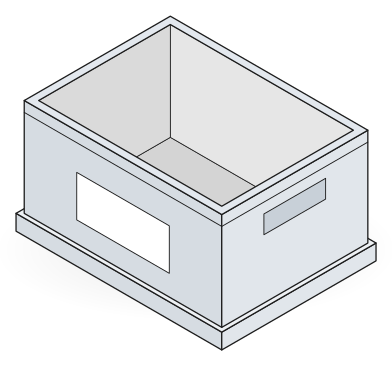
EPS foam boxes (temperature-sensitive goods)Insulated reusable cool boxes with phase-change materials- Deadline
- Supports Art. 10 minimisation and Art. 29 transport reuse
- What the regulation says
- Supports Art. 10 minimisation and Art. 29 transport reuse. EPS increasingly restricted under national law and recyclability grade rules.
- What changes in operations
- CapEx on insulated boxes is significant. Reverse logistics and conditioning cycles required. Critical for pharma cold chain.
- What it costs
- Insulated box units are high unit-cost (€100 to €500+). Phase-change material conditioning infrastructure. Critical for pharma cold chain.
- Sectors
- Pharma, cold chain, seafood, meal kits
Industrial & B2BRecommended
Cardboard gaylord boxes / one-way palletboxesFoldable plastic palletboxes (injection-moulded)- Deadline
- Art. 29 B2B 100% reuse target where applicable
- What the regulation says
- Art. 29 B2B transport 100% target where applicable. Strong EPR eco-modulation incentive. Durability of HDPE/PP palletboxes gives high rotation counts.
- What changes in operations
- Handling equipment usually compatible. Folding mechanism reduces return transport cost. Initial unit cost is higher.
- What it costs
- Palletbox unit cost €100 to €800 depending on design. Fleet investment significant; amortises over 50+ rotations.
- Sectors
- Manufacturing, automotive parts, industrial
Automotive & PartsRecommended
Single-use cardboard/foam dividers for partsReusable dunnage, custom-fit plastic trays- Deadline
- Art. 29 B2B closed-loop 100% reuse target
- What the regulation says
- Art. 29 B2B closed-loop: 100% reuse target. Automotive is already a mature reusable dunnage sector (VDA standards).
- What changes in operations
- Tooling investment for custom dunnage. Existing industry standards (VDA, Odette) ease adoption.
- What it costs
- Custom tooling for part-specific dunnage. VDA/Odette standards reduce design cost.
- Sectors
- Automotive, aerospace, industrial
Fashion & RetailRecommended
Polybags / dust covers for garments in transitReusable garment covers / shipping bags- Deadline
- Supports Art. 29 transport reuse 40% by 2030
- What the regulation says
- Art. 29 transport reuse target 40% by 2030. Fashion industry pressure on single-use polybags accelerates voluntary adoption.
- What changes in operations
- Works well in closed-loop (DC to store). Harder in open B2C e-commerce. Brand experience considerations.
- What it costs
- Fabric/polymer cover unit cost is low. Scales with garment throughput.
- Sectors
- Fashion, apparel retail
Fashion & RetailRecommended
Cardboard hanger boxes, garment cartonsReusable hanging garment racks/containers- Deadline
- Art. 29 transport reuse target 40% by 2030
- What the regulation says
- Art. 29 transport target (40%/70%). Common in apparel DC-to-store (GOH, garment on hanger).
- What changes in operations
- Closed-loop between DC and store works well. Requires truck fitment, rack pooling.
- What it costs
- Rack fleet plus truck fitment. Closed-loop DC-to-store reduces reverse logistics cost.
- Sectors
- Fashion retail
Agriculture & HorticultureRecommended
Single-use plastic plant trays, potsReusable multi-use nursery trays- Deadline
- Art. 29 B2B 100% reuse target closed-loop grower-retailer
- What the regulation says
- Art. 29 B2B transport 100% target for closed-loop between grower and retailer. EPR eco-modulation favours reusables.
- What changes in operations
- CC (Container Centralen) model well established in horticulture. Expansion to smaller trays is next step.
- What it costs
- Tray fleet investment. CC Container pooling model already established for larger units.
- Sectors
- Horticulture, nurseries
Agriculture & HorticultureRecommended
Single-use plastic sacks (feed, seed, fertiliser)Reusable FIBCs/big bags with tracking- Deadline
- Art. 29 B2B transport target; supports Art. 43 waste reduction
- What the regulation says
- Art. 29 B2B transport target. Supports waste reduction under Art. 43. Tracking ensures return loop integrity.
- What changes in operations
- Cleaning between uses (contamination risk), tracking, return logistics to rural/dispersed sites.
- What it costs
- FIBC unit cost plus cleaning infrastructure and tracking layer. Reverse logistics to dispersed rural sites adds cost.
- Sectors
- Agriculture, animal feed
ConstructionRecommended
Plastic film wrap on building materialsReusable construction packaging covers- Deadline
- Art. 29 B2B transport; eco-modulation pressure by 2030
- What the regulation says
- Art. 29 B2B transport. Low adoption currently but eco-modulation and waste targets will push change by 2030.
- What changes in operations
- Site-to-site coordination, durability in harsh conditions, return loops in fragmented construction supply chain.
- What it costs
- Durable covers for harsh site conditions. Return logistics in fragmented construction supply chain is the main cost driver.
- Sectors
- Construction, building materials
ConstructionMandatory
Cardboard boxes for fittings, fixtures, hardwareStackable returnable tote systems- Deadline
- Art. 29 transport reuse 40% by 2030
- What the regulation says
- Art. 29 transport reuse target 40% by 2030. Wholesale distribution to contractors is closed-loop friendly.
- What changes in operations
- Works well with distributor networks (Lecot, Gamma Wopla, etc.). Crate return via route density.
- What it costs
- Tote fleet via distributor network (e.g. Lecot, Gamma Wopla). Route density makes return economics favourable.
- Sectors
- Construction, hardware wholesale
Postal & ExpressRecommended
Single-use padded mailers (jiffy bags)Reusable padded shipping envelopes- Deadline
- Art. 29 e-commerce target 40% by 2030; Art. 10 minimisation from 2026
- What the regulation says
- Art. 29 e-commerce target 40% by 2030. Art. 10 minimisation from 2026. Low-hanging fruit for subscription and rental models.
- What changes in operations
- Strong fit for B2B or subscription B2C. Prepaid return labels, drop-off network, consumer compliance.
- What it costs
- Mailer unit cost low. Return label and drop-off network costs via existing postal infrastructure.
- Sectors
- E-commerce, subscriptions, rental
No packaging matches these filters. Reset one filter to see more.
Payback estimates assume tracked reusable assets with 50 to 500+ cycles depending on format. They include asset CapEx, washing, handling, reverse logistics and tracking, offset against avoided single-use material and EPR fees. CapEx bands are indicative for a pilot to mid-scale rollout and vary by volume and country. This navigator is guidance, not legal advice; check the regulation text and national rules.
- Which reuse targets apply to which packaging
- What data a reuse rate needs
- How to evidence cycles per asset
- A timeline from now to 2030
Q.01What is the PPWR?
The PPWR is the EU Packaging and Packaging Waste Regulation, Regulation (EU) 2025/40. It entered into force on 11 February 2025 and has applied in every Member State since 12 August 2026, with bans, reuse targets and reporting rules phased in to 2030 and 2040.
Q.02When do the PPWR reuse targets apply?
The reuse targets apply from 1 January 2030, with higher indicative targets for 2040. The rules for calculating reuse rates apply from 30 June 2027, so the data to prove reuse needs to exist before 2030.
Q.03Which single-use packaging is banned from 2030?
Annex V lists the formats, for example single-use plastic packaging for unprocessed fresh fruit and vegetables under 1.5 kg, single-use plastic for food and drinks consumed on site in horeca, single-use condiment sachets in horeca, and hotel miniature toiletries. Use the filters above to see the swaps per category.
Q.04How do we prove reuse for the PPWR?
You need asset-level records: which reusable packaging was issued, returned and reused, and how many cycles each item completed. Rotion produces these figures from scans at each handover. See reuse reporting.
Q.05Is the navigator legal advice?
No. It is an operational guide to the regulation, kept up to date by the Rotion team. Check the regulation text and national implementation for your situation.
