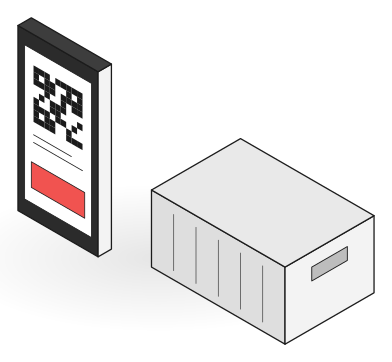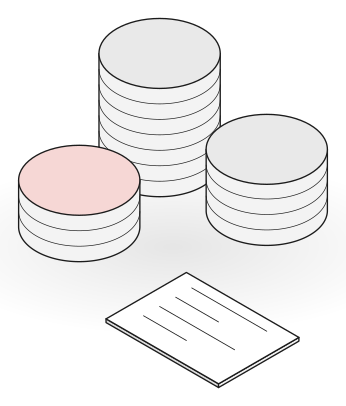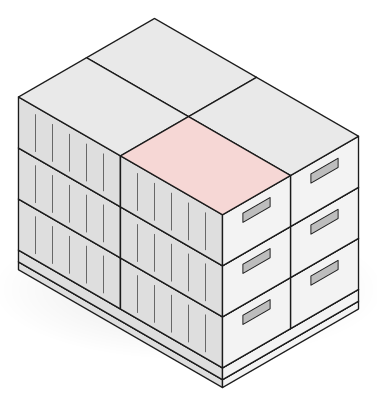
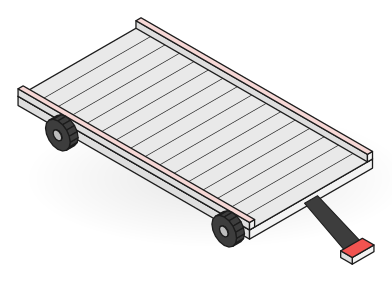
Overdue at a partner.
Assets past their return date at a carrier, store or customer, with the reminders already sent.
37 roll cages · 14 d past due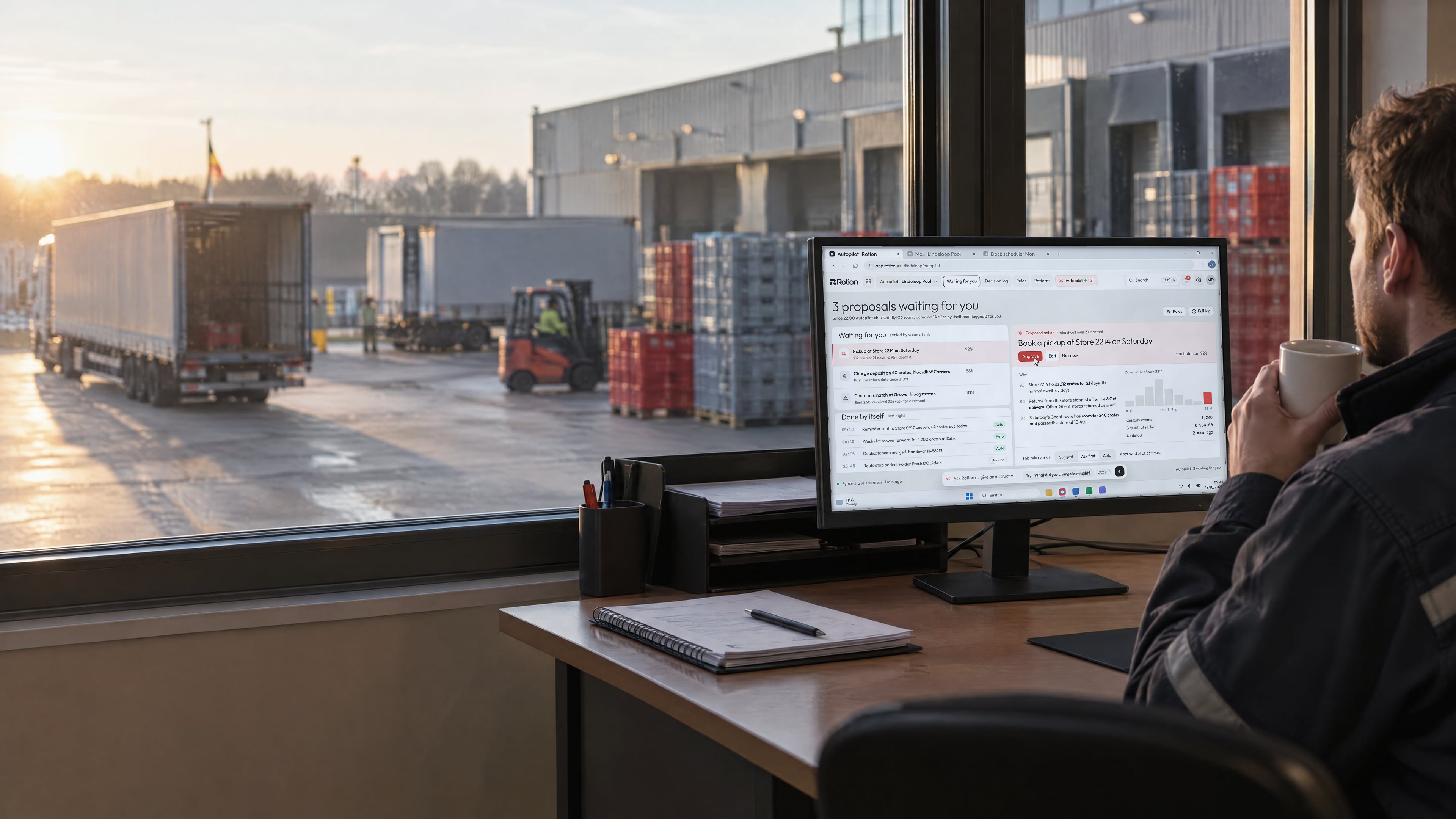
AI agent for reusable packaging
Autopilot watches every scan in your loop. It flags what is going wrong, proposes the next action with its reasoning and confidence, and acts once you approve. Every decision is logged and can be undone.
An AI agent for reusable packaging works on the scan record of your fleet and acts on it. Rotion Autopilot notices anomalies such as assets overdue at a partner, explains why it flagged them, proposes the next action with a confidence score, and carries it out once someone with the right role approves. Routine work like reminders can run on its own.
Autopilot reads the same record as the rest of the platform, so its proposals use the scans, balances and routes your team already trusts. Pick a feature to see it.
Explore the platform Anomaly detectionReturn chasingFleet balanceDecision log Autopilot
Autopilot checks every scan against your return dates, each partner’s history and your thresholds. These are the patterns it flags most, with a sample of what it shows.
Assets past their return date at a carrier, store or customer, with the reminders already sent.
37 roll cages · 14 d past dueA partner that sends back fewer assets than it receives, week after week, before the gap turns into a write-off.
Customer 14 · −31% over 4 weeksA site holding far more assets than its usual level while other sites run short.
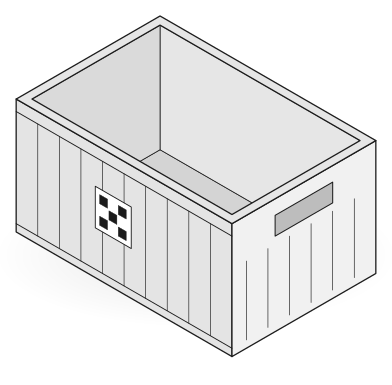
Retailer 3 DC · +1,140 vs 90 d avgDuplicate scans, missing returns and counts that differ from the delivery note.
POD-55102 · scanned twice in 40 sDamage seen on inbound photos and partners whose breakage rate climbs above normal.
Filler 07 · 3.1% vs 0.8% usualAssets held long enough to charge a deposit, and balances that both sides read differently.
12 boxes · 45 d · € 1,020Autopilot runs the same four steps on every scan. People stay in charge of every step that costs money or touches a partner.
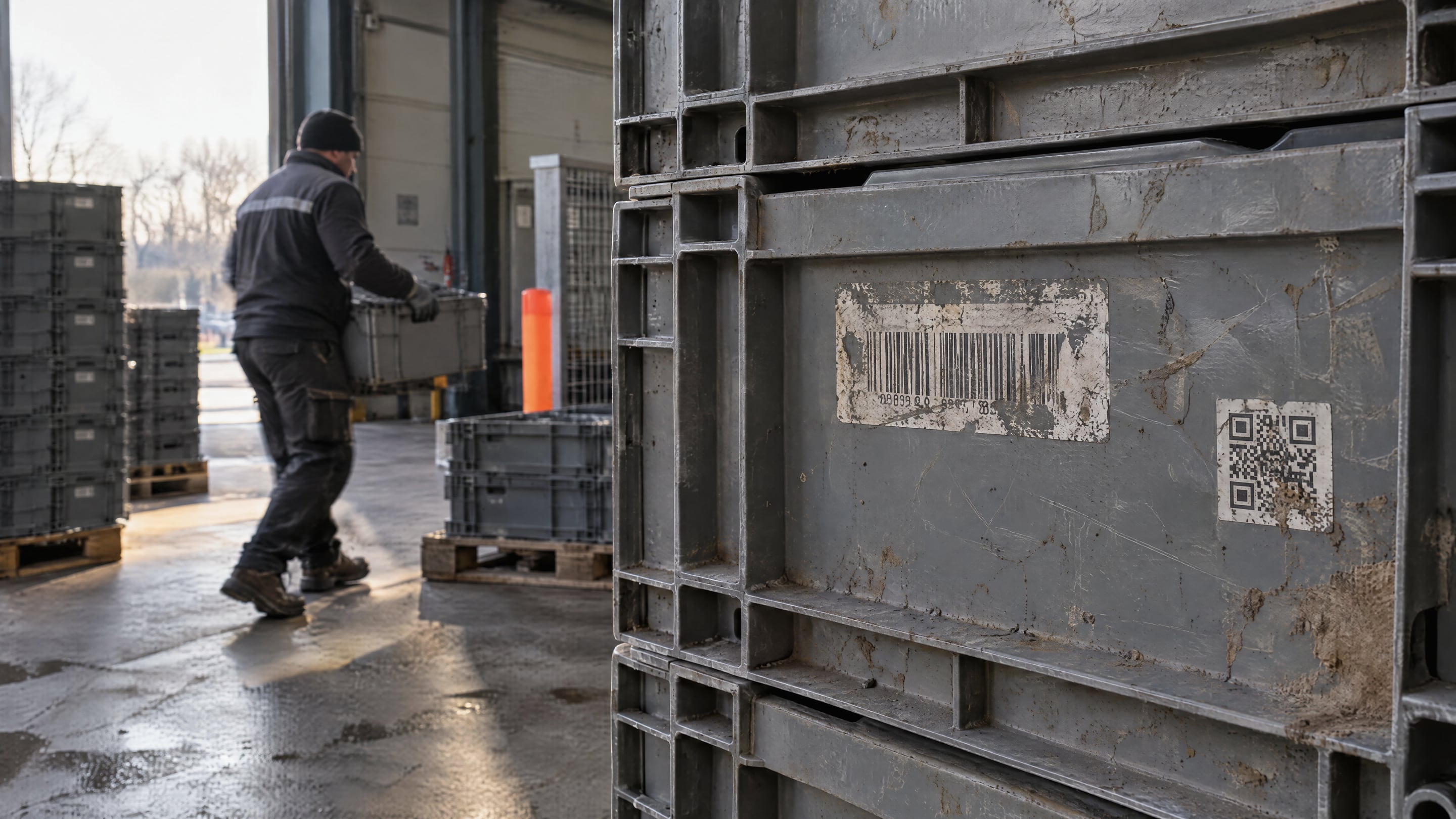
Autopilot compares each scan with the asset’s history, the partner’s usual behavior and the route.

It shows the evidence behind the flag: the scans, the trend and the partners involved.
It suggests one concrete action, with a confidence score you can weigh.
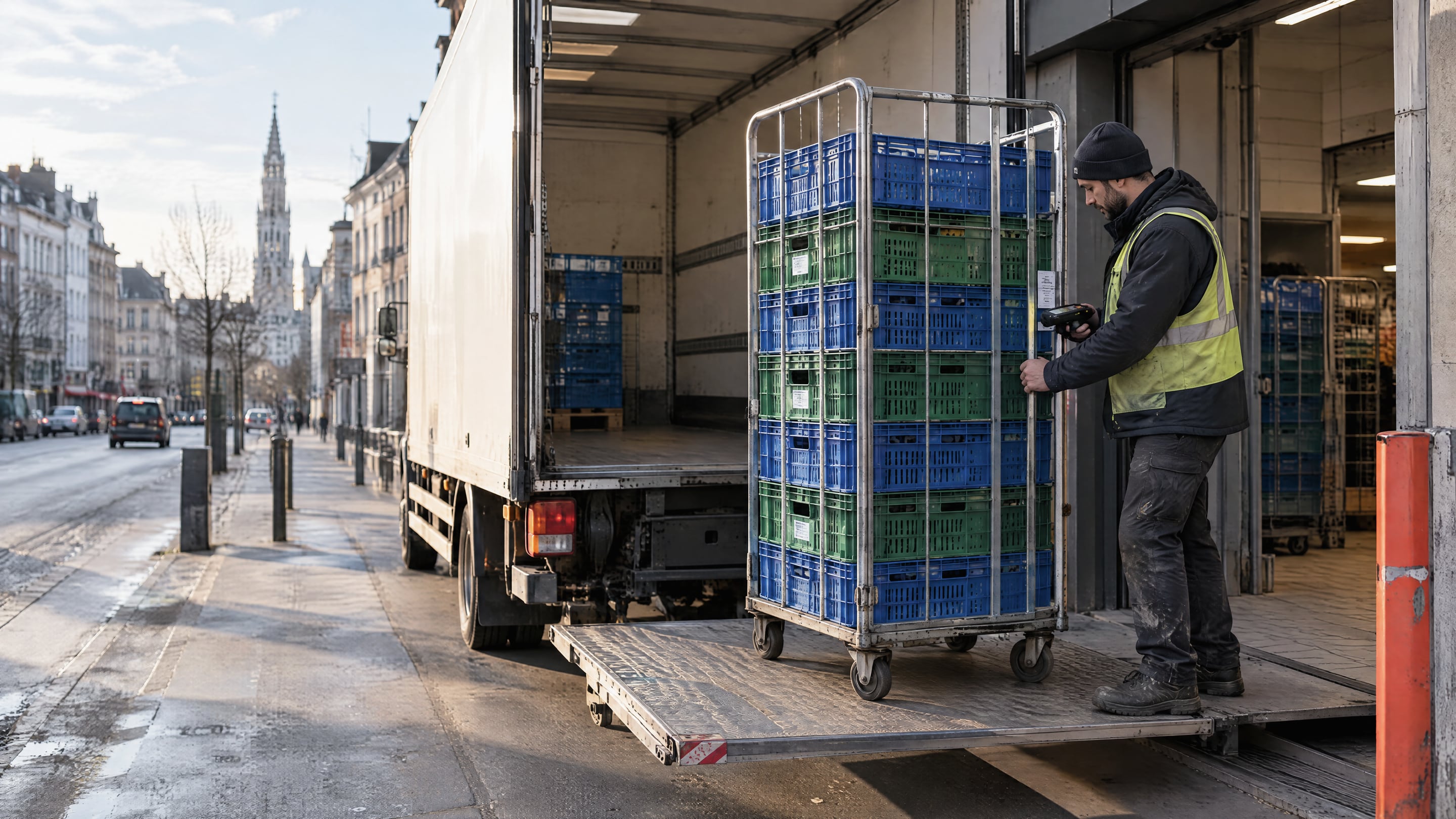
Once approved, it books the pickup and sends the reminder. The step lands in the decision log.
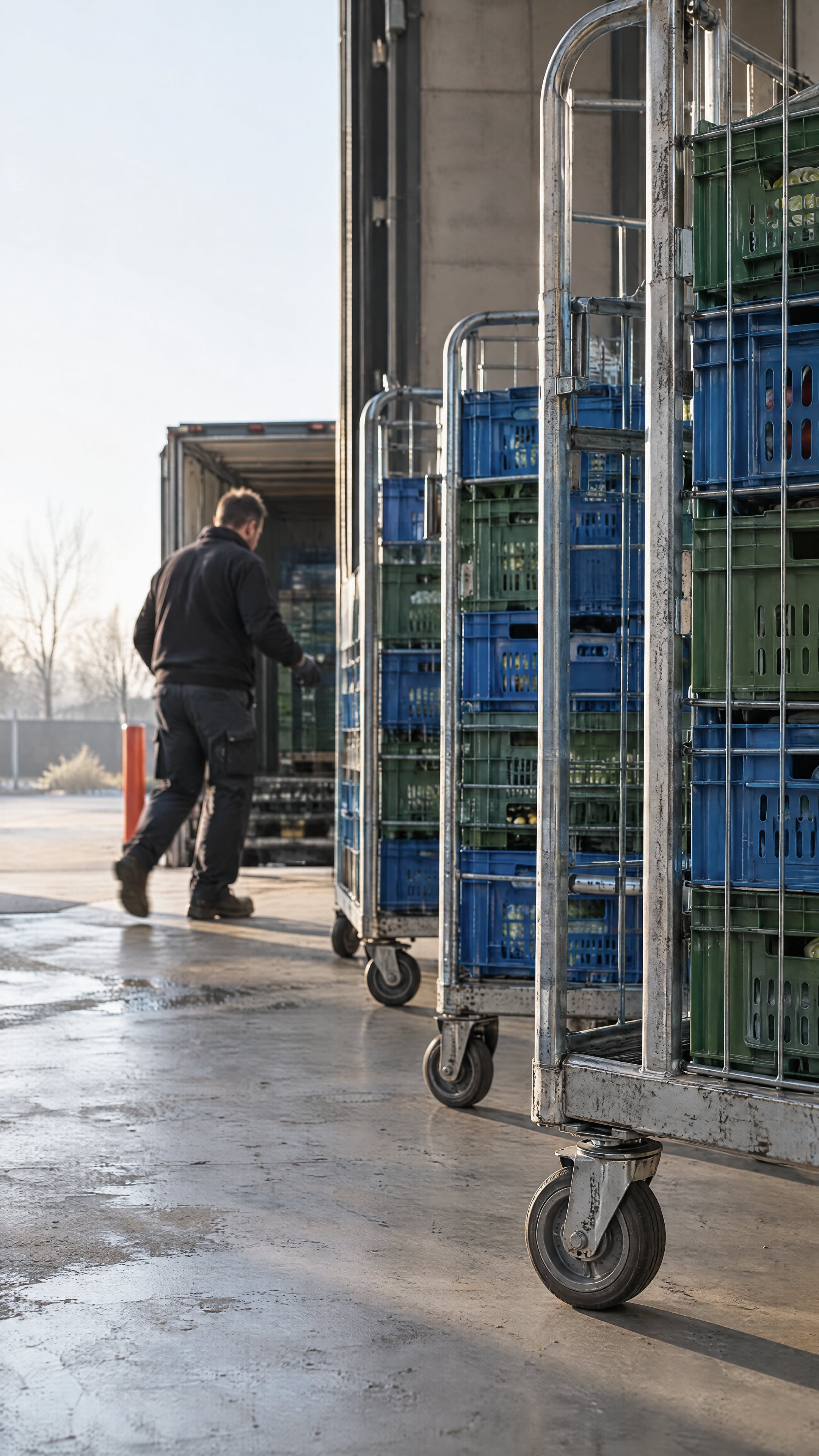
Autopilot watches every scan in your loop, flags what is going wrong, proposes the fix with its reasoning, and acts once you approve.
BriefingDecisions 41 Autopilot Recovered this week€ 3,14537 roll cages at Carrier North are 14 days past their return date.
flagged 07:58 · 2 reminders, no replyCarrier North ├── holds 37 roll cages ├── due 29 Sep └── checks 214 custody events
They are 14 days past the return date and two reminders got no reply. Two other partners are within 3 days of overdue.
Based on 214 custody events · updated 2 min ago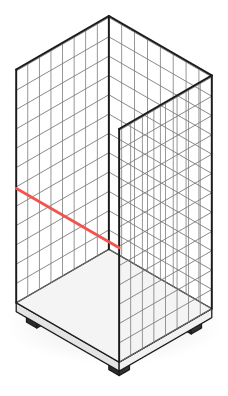
Sample data. Partner names are fictional.
Each rule has a threshold you choose and one of three modes. Start on Suggest, then move routine work to Auto as the team comes to trust the calls.
Shows the proposal. Nothing happens until someone acts on it.
Prepares the action and waits for one click to approve.
Runs the action and logs it, with undo.
Sample data · A common setup lets messages run on their own and keeps anything involving money for a person.
Each entry shows what Autopilot saw, what it did or proposes, and how sure it is. Calls waiting for you sit on top. Routine work can be undone, and every entry stays in the record.
Proposed pickup for 37 roll cages at Carrier North14 days past return date, no reply to two reminders.Confidence94%Waiting for youReviewSent reminder to Carrier NorthSecond reminder, Dutch template. Matched to order SO-88417.Confidence98%Auto-executed↺ Undo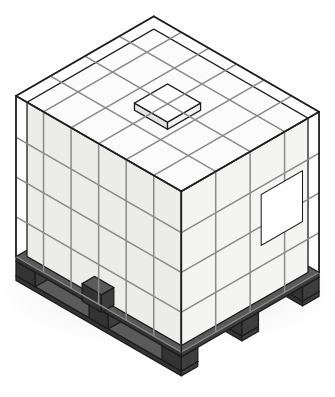 Flagged IBC-000214 as damagedDent on the cage frame in the inbound photo at Filler Antwerp.Confidence72%Waiting for youReviewMerged duplicate scan POD-55102Same crate scanned twice at DC Zellik within 40 seconds.Confidence99%Auto-executed↺ Undo
 Closed balance with Carrier WestUndone at 07:02. A counter-count is still open on 6 pallets.Confidence81%Undone
Autopilot works through the night on the scans that come in. When the team starts, the routine work is done and the rest is waiting with its reasons.
Autopilot checks the day’s scans against your thresholds and handles what your rules put on Auto.
One screen with what was handled, what was recovered and the few calls that need a person.
Ask a follow-up in plain language. Autopilot answers from the custody record and shows its sources.
Approve the pickup in one click. Autopilot adds the stop, tells the partner and watches for the return scan.
Field results from operators running Rotion across pools, retail and industry.













Only where you allow it. Each rule has a threshold you set and runs in Suggest, Ask first or Auto mode. Teams usually put return reminders and duplicate scans on Auto and keep pickups, balance statements and deposit corrections on Ask first. Calls with low confidence wait for a person whatever the mode, and you can change any rule at any time.
Yes. Every action Autopilot takes, approved or routine, can be undone from the decision log. The log keeps the reasoning, the confidence score, who approved it and what changed.
Autopilot uses the scan and custody record in Rotion: handovers, dwell times, partner balances, cycles and asset condition. Where you connect your ERP, WMS or TMS, it also uses orders and routes to time pickups.
Your fleet and partner data stay in your Rotion account and are processed under our privacy policy. The team walks through model use and data handling in detail during the demo, so your IT and legal teams get the answer in writing.
An alert tells you a threshold was crossed. Autopilot tells you which partner and handover are behind it, shows the evidence, proposes one action and carries it out on approval. Operators running Rotion report 28% fewer assets lost.
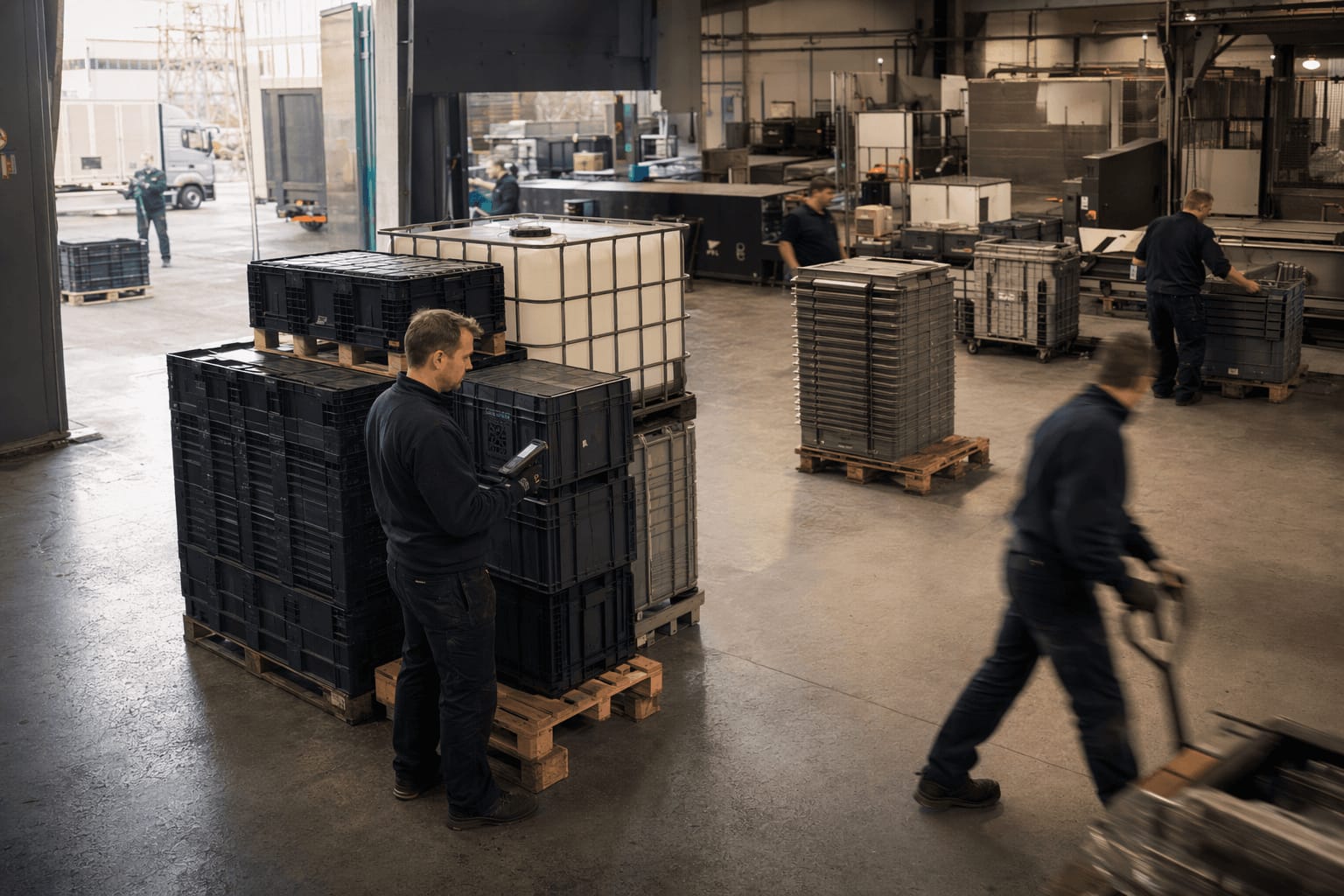
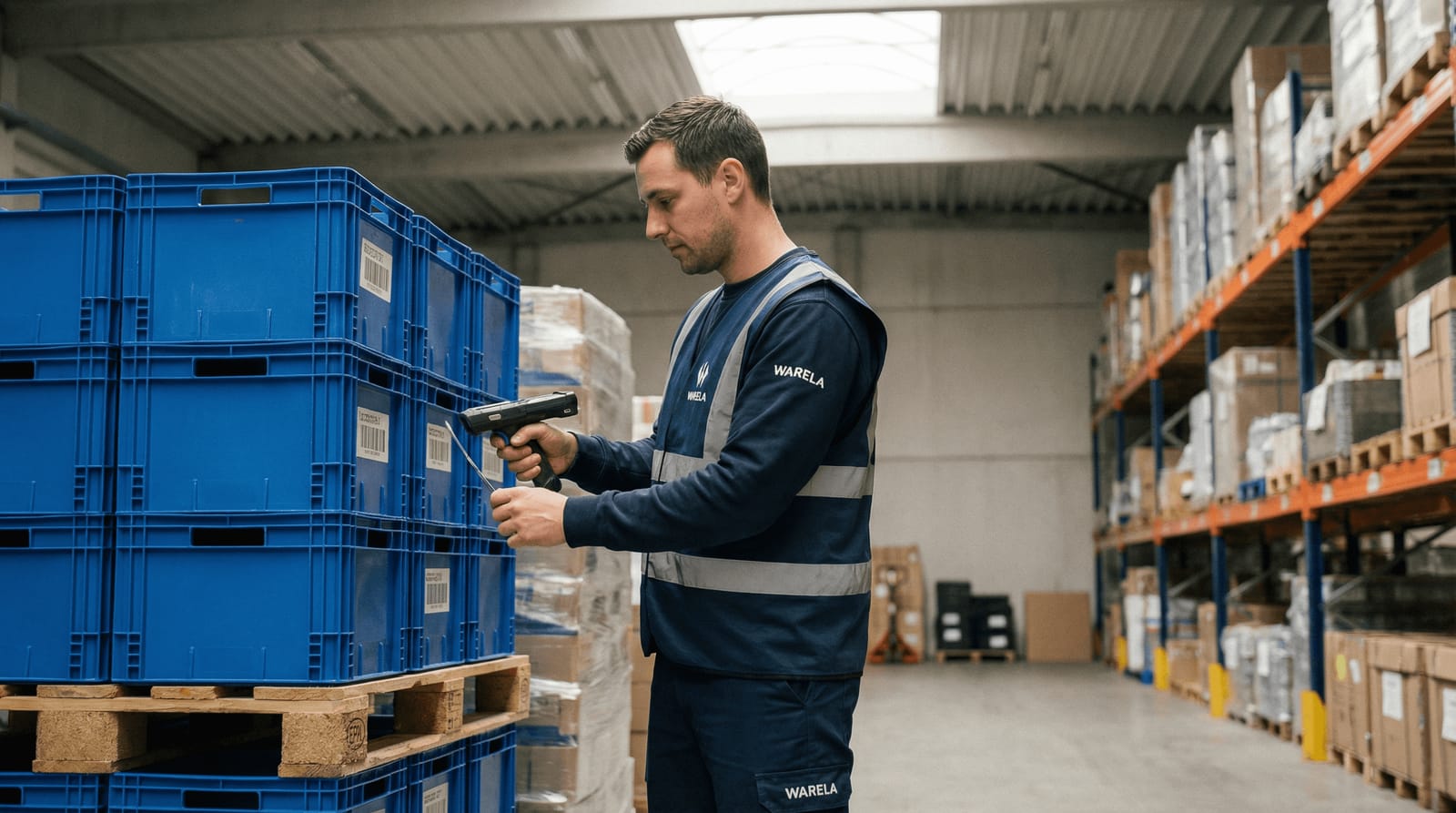
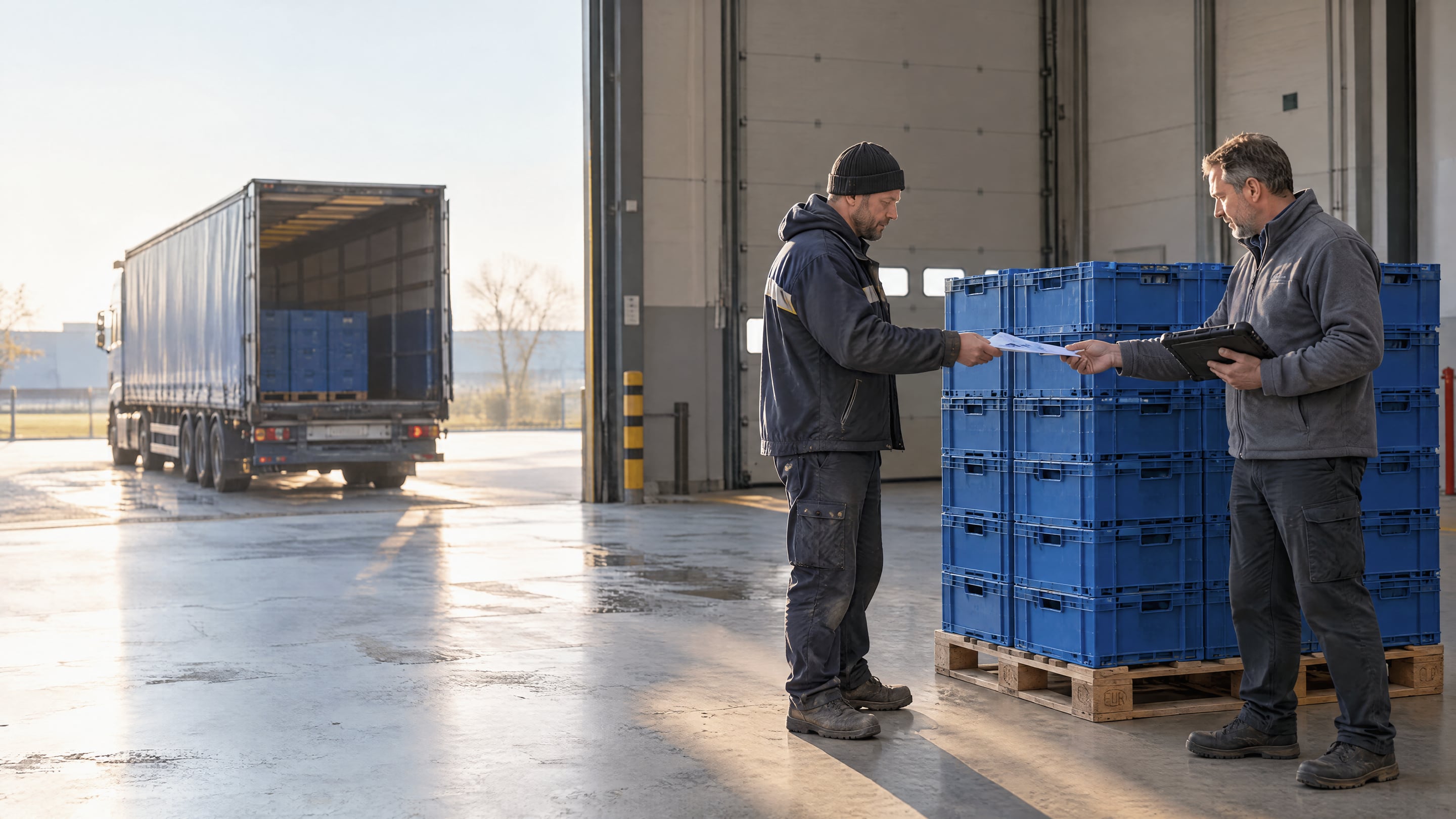 IMG 052 · DC Zellik · 50.8889N 4.2725E
Most teams go live in weeks, on the codes already on their fleet.
AI assistant · answers about Rotion
Hi. Ask me anything about Rotion: how it tracks crates, pallets, kegs and IBCs across partners, what Autopilot does, pricing, or PPWR.