

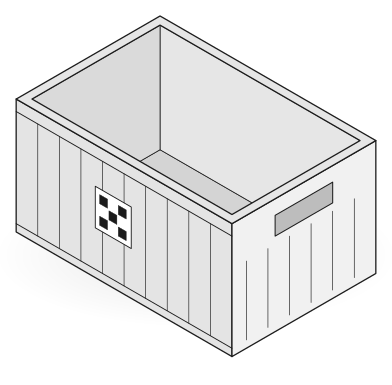
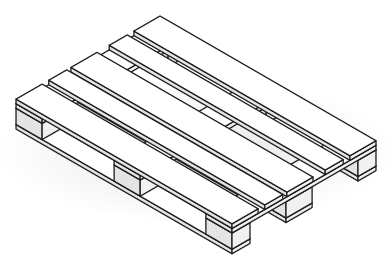
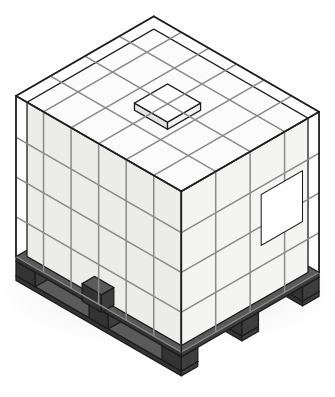
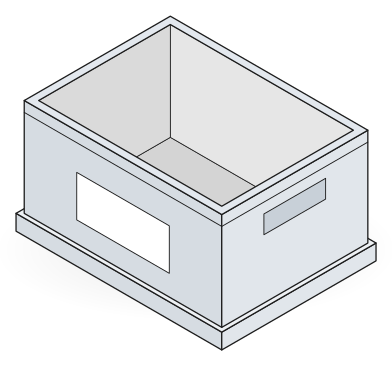
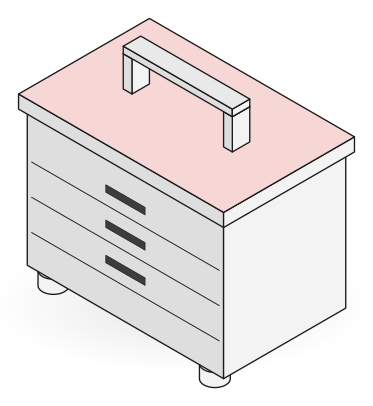
Leakage shows up late.
Stockpiling, misuse and breakage surface at the yearly count, long after they could be recovered.

For reusable packaging operators and pools
Rotion is the digital layer for RTI and pooling operations. See every asset across customers and regions, catch leakage early, settle balances on evidence and report reuse for PPWR.
Rotion gives a pool operator one shared record per asset across every customer, carrier and wash center. It shows where each asset is and who holds it, and flags leakage and stockpiling while it is still recoverable. Settlements rest on scan evidence, and the same scans produce reuse figures for customers and PPWR.
Traditional RTI systems show stock per customer. They cannot show how assets behave or where returns slow down, and margins leak there.
Stockpiling, misuse and breakage surface at the yearly count, long after they could be recovered.
Balance discussions with customers run on spreadsheets that neither side trusts.
Brands and retailers need rotation and reuse figures for PPWR. Aggregating them by hand does not scale.
Each party scans the assets it handles, with a phone or the reader it already has. Custody moves with every scan, so the pool knows who holds what.
Register new assets as they enter the pool, with the codes already on them.
Scan assets in and out per load. Their balance updates with every scan.
Confirm pickups and deliveries, so assets in transit have an owner too.
Book incoming and outgoing loads and see what they hold per asset type.
Return empties and see their own balance, not the whole pool.
Log receipts, wash cycles, inspections and repairs per asset.
You see the whole fleet. Each customer and service partner sees the assets in its own custody and nothing else. Pick a view to compare.
| Party | Holds | Avg dwell | Overdue |
|---|---|---|---|
| Filler 07 | 1,282 | 9 d | 24 |
| Retailer 3 DC | 3,410 | 14 d | 310 |
| Grower 12 | 860 | 6 d | 0 |
| Wash center B | 2,150 | 2 d | 0 |
| Party | Holds | Avg dwell | Overdue |
|---|---|---|---|
| Filler 07 | 1,282 | 9 d | 24 |
| Other party | |||
| Other party | |||
| Other party |
| Party | Holds | Avg dwell | Overdue |
|---|---|---|---|
| Other party | |||
| Other party | |||
| Other party | |||
| Wash center B | 2,150 | 2 d | 0 |
Sample data · Each customer logs in to its own view. Access is set per customer and per role.
Every line on a customer statement points to the scans behind it. When a customer questions a number, you both open the same record.
Field results from operators running Rotion across pools, retail and industry.













Customers, carriers and wash centers scan with any phone or reader. Each scan moves custody, so the pool always knows who holds what.
Assets leave your depot to a customer. One batch scan per load.

Customers fill, ship and pass assets on. Custody follows every handover.

Returns, washes, inspections and repairs log per asset.

Balances, deposits and reuse figures per customer, from the same scans.

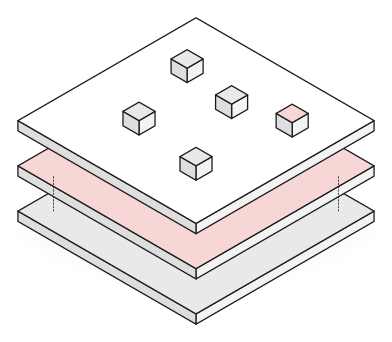
Location, rotation and utilization across customers and regions.
Read more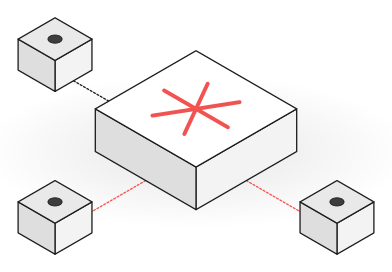
Autopilot flags stockpiling, breakage and slow returns per customer before they hit margins.
Read moreCycle time, dwell and turns per customer, so a slow loop shows before it needs more assets.
Read more
Connectors for ERP, WMS and TMS keep orders, customers and scans in step with the systems you already run.
Read moreAutopilot watches every scan in your loop, flags what is going wrong, proposes the fix with its reasoning, and acts once you approve.
How Autopilot worksRetailer 3 DC holds 1,140 more pallet boxes than its 90-day average.
Returns from Retailer 3 DC dropped 18% since week 36 while issues stayed flat. The pattern matches stockpiling before a peak.
Send the customer a balance statement and propose a collection slot.
Rotion runs alongside the system you have. Start with one customer group or region and widen the scope when the numbers hold.
Rotion reads the QR, barcode, RFID or GS1 GRAI codes already on your assets. Nothing is relabeled.

Start with one customer group or region. Opening balances come from your current records.

Compare the balances in Rotion with your current system for a few cycles, until they match or every gap is explained.

Add customers and regions when you are ready. Your current system can keep the work it already does well.

No. Rotion runs alongside existing systems and adds what they lack: asset-level behavior, leakage detection, reuse figures and visibility across parties.
No. Access is set per customer and per role. You decide what each customer sees and what you share with brands or regulators.
Yes. Rotion is built for multi-customer, multi-loop operations where reporting, integrations and visibility differ per customer.
Better utilization improves asset ROI, settlements stop leaking margin, and customer-facing reporting becomes a service you can charge for.
Yes. Rotion produces reuse rates and cycle counts from asset-level scans. PPWR calculation rules apply from 30 June 2027 and reuse targets from 2030. See the PPWR Navigator for deadlines.
A traditional RTI system books stock and transactions per customer. Rotion keeps a record per asset, so it shows dwell, rotation, losses and reuse per customer, and Autopilot acts on them. You can keep your RTI system and run Rotion next to it.
No. Rotion reads the codes already on your assets: QR, barcode, RFID or GS1 GRAI. You start with one customer group or region and add the rest when you are ready.
 IMG 052 · DC Zellik · 50.8889N 4.2725E
Most teams go live in weeks, on the codes already on their fleet.
AI assistant · answers about Rotion
Hi. Ask me anything about Rotion: how it tracks crates, pallets, kegs and IBCs across partners, what Autopilot does, pricing, or PPWR.


