



Most IBC return programs do not fail because of software. They fail before the first pickup, when the producer does not know where empties are and the distributor owns the customer relationship. The practical start is one lane with strict pickup rules, simple condition confirmation, and one owner for each exception.
| Pilot building block | Rule to apply from day one | Evidence you keep |
|---|---|---|
| Pickup request | Only collect when a lane reaches your batch threshold | Timestamped request with location and quantity |
| Pre-check | Sender confirms empty, product class, and visible damage | Checkbox answers plus photos |
| Intake | Every tote gets a pass, wash, repair, or reject decision | Decision log per unit |
| Liability | Deposit and chargebacks follow the intake decision | Linked financial statement and event history |
Scope one distributor lane before a network rollout
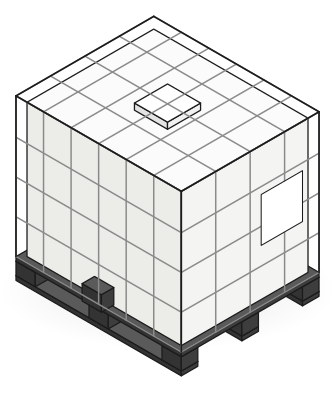
The fastest way to prove take-back is to start with one route family that already has repeat deliveries. In three recent calls with operators handling liquid products, the same pattern came back: no shared visibility on where IBC totes sit, no reliable pre-check before pickup, and no agreed owner when a tote fails inspection.
Set a lane boundary that everyone can understand: one producer site, one distributor cluster, one product family, and one cleaning partner. Keep other lanes out until this one runs without manual chasing.
Use the same lane model for EU and US teams, even if language differs. EU teams may say RTIs, while US teams say returnable containers or IBC totes. The workflow is still the same event chain.
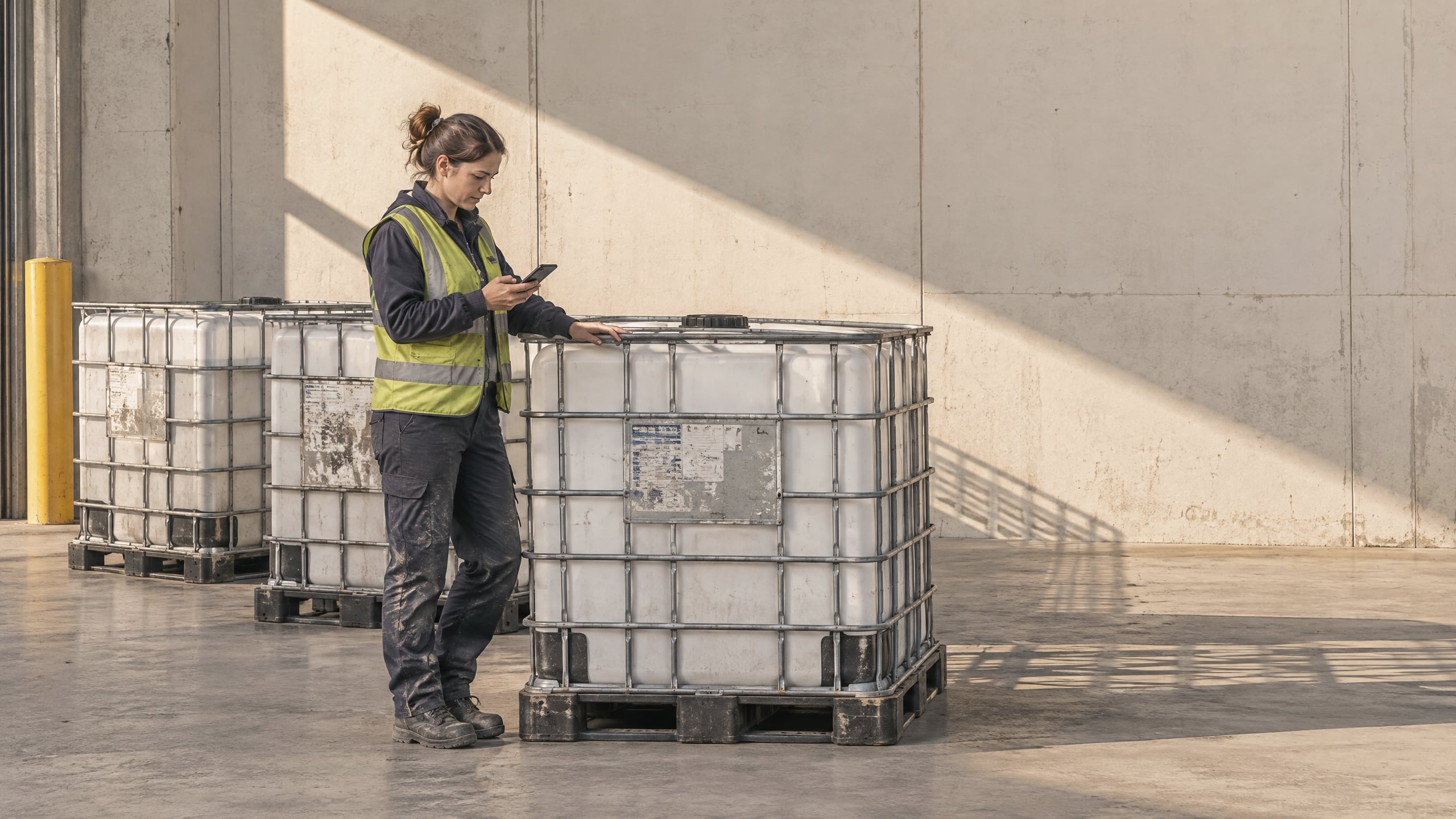
What must be confirmed before a pickup is booked?
The pre-check should remove avoidable trips without adding app friction for the sender. Keep it short enough to complete in under a minute, but strict enough to protect cleaning and refill quality. If the sender cannot answer these checks, the tote is not pickup-ready yet.
Use one shared pre-pickup checklist:
- Container state: empty and capped.
- Product compatibility: no unapproved product mix since last dispatch.
- Physical condition: no visible cage deformation, valve damage, or severe contamination.
- Proof: two photos, one full tote view and one valve and label close-up.
A QR link to this checklist works well for lanes where you do not want account setup overhead. If you need a mixed-ID start, this rollout pairs well with starting returnable tracking without full asset IDs.
Keep transport cost below replacement cost
Take-back lanes fail when pickups run one or two units at a time. Set a regional batch threshold and hold pickups until that threshold is reached, unless a commercial priority justifies an exception. This protects margin and stops your team from routing ad hoc collections that never become operationally stable.
For many lanes, the first economic win comes from backhauls. If a distributor truck already visits the site for delivery, that same trip can return qualified empties to a consolidation point. The producer then collects in bulk from that point on a predictable rhythm.
Write the threshold as a lane rule, not a planning preference. If your rule says “pickup at 12 units or more,” then every off-threshold pickup needs an explicit owner and reason in the log. That discipline is what turns one pilot into a repeatable operating model.
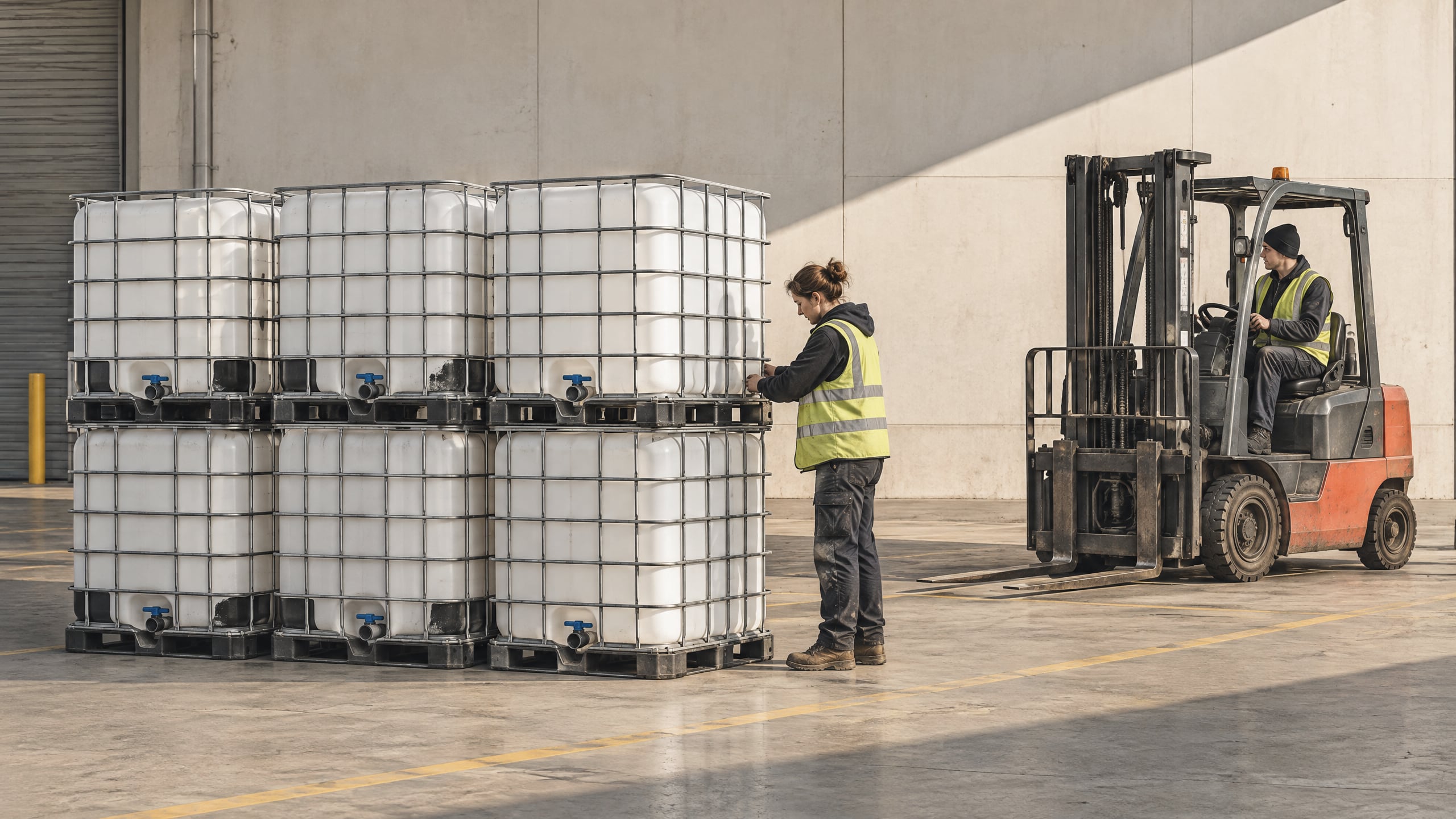
Decide each returned tote within 24 hours
Speed at intake matters more than perfect categorization. If returned units sit in a quarantine corner for days, disputes and credits drift into inboxes and trust drops quickly. A same-day or next-day decision keeps finance, operations, and cleaning in one timeline.
Use a simple intake decision tree per tote:
- Pass for reuse: route to standard cleaning and next dispatch planning.
- Pass with repair: route to repair queue with cost and owner recorded.
- Fail for reuse: route to recycling or disposal, with cause code and liability owner.
Then link these decisions to one financial output. The lane owner should be able to open one statement and show why each deposit refund, deduction, or replacement charge exists. If this is your bottleneck, map the workflow on deposits and settlements.
Add EU and US reporting hooks after the lane works
Do not start with regulation spreadsheets. Start with clean lane events, then map those events to the reports you need. In the EU, Article 29 of PPWR already sets reuse obligations for transport formats including IBCs, and the same event model gives you the evidence baseline to report by operator, route, and period.
For EU operations, keep these status-tagged facts in your lane design notes:
- [ADOPTED] From 1 January 2030, operators using listed transport packaging formats including intermediate bulk containers must ensure at least 40% is reusable packaging within a reuse system under Article 29(1) (EUR-Lex Regulation (EU) 2025/40).
- [ADOPTED] From 1 January 2030, Articles 29(2) and 29(3) set 100% reusable requirements for listed formats in own-site and same-member-state transport flows (EUR-Lex Regulation (EU) 2025/40).
- [IN FORCE] Delegated Decision (EU) 2026/429 exempts pallet wrappings and straps from those 100% requirements, while they still sit in the Article 29(1) framework (EUR-Lex Delegated Decision (EU) 2026/429).
For US operations, keep the same event ledger and adapt outputs to state and customer reporting requirements. Build lane discipline first, then map the reporting template to that discipline.
30-day rollout for a distributor-led IBC lane
A short pilot should prove control, not full coverage. If you can run one lane with stable pickup rules, clean intake decisions, and fewer unresolved disputes, you have a model you can copy route by route without rebuilding the process each time.
| Week | Focus | Exit check |
|---|---|---|
| 1 | Lane scope, owners, and pre-check form | Everyone agrees on pickup-ready definition |
| 2 | Start pickup threshold and intake decisions | Every pickup logged with evidence |
| 3 | Link intake outcomes to deposits and liability | No unresolved financial exception older than 7 days |
| 4 | Review failures and codify lane playbook | One approved template for the next lane |
If you want to test this on one lane first, start from the IBC tracking workflow and launch with the starter flow.
Frequently asked questions
Should we wait until every tote has a perfect ID?
No. Start with the IDs you already trust and add stricter serialization as the lane stabilizes. Waiting for a full relabeling project usually delays the operating fixes that matter most.
Can this work with QR now and RFID later?
Yes. The lane logic is event ownership and timing, not one specific label technology. Start with the lowest-friction scan method your partners will actually use, then upgrade where it adds clear value.
What if the distributor will not share end-customer identities?
You can still run take-back through lane-level accountability. Use location clusters, pickup thresholds, and proof-at-handover. You do not need every customer name to cut losses and improve return rates.
How do we know the pilot is ready to scale?
Scale when the lane runs two full cycles without manual chasing: pickups happen on threshold, intake decisions close within 24 hours, and financial disputes close against event evidence. Then copy the same template to the next lane.


