



Short answer: You do not need to wait for full serialization to start controlling a returnable loop. Start with one event contract for dispatch, receipt, condition and return, then run mixed-ID operations where tagged assets get unit-level tracking and untagged assets stay in controlled batches. Add IDs on the lanes where loss and disputes cost the most.
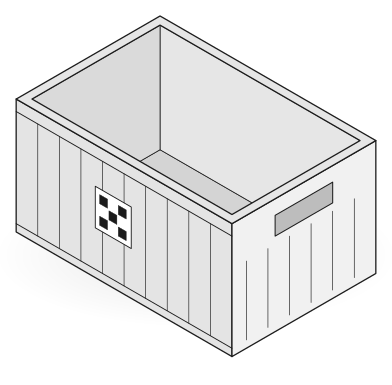
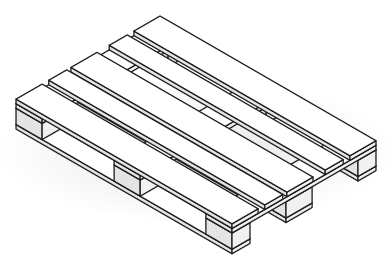
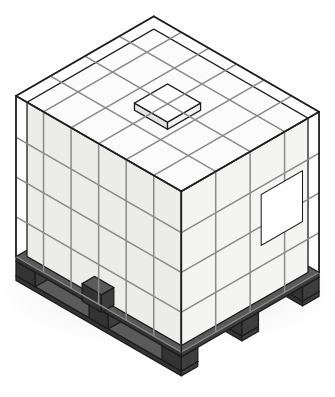
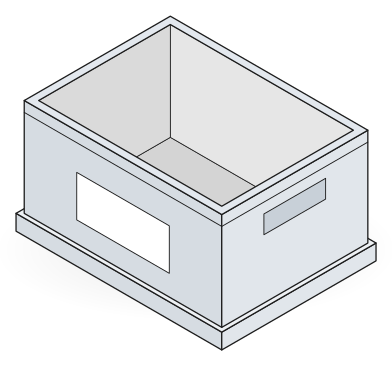
Most teams do not start with a perfect fleet. Some crates, pallets, RPCs, totes or IBC totes already carry usable IDs, while another part of the loop still runs on counts, delivery notes and calls. The practical move is to control both states in one operating model instead of waiting for a single big relabeling project.
Mixed-ID control at a glance
| Control | What to do now | What changes after full serialization |
|---|---|---|
| Event contract | Capture dispatch, receipt, condition and return on every handoff | Same contract, with unit-level IDs on every event |
| Accountability | Assign one owner and due date to each exception the same day | Keep the same workflow, with faster root-cause isolation |
| Financial linkage | Tie deposits and replacement decisions to recorded events, even for batch lines | Move from batch evidence to unit-level evidence where needed |
| Rollout model | Prioritize high-loss lanes first | Expand lane by lane until fleet-wide serialization |
Why does control break first on mixed-ID loops?
Control breaks when the process asks operators to use two systems at once: one real workflow for getting product out the door, and one side workflow for “admin later.” In practice, the side workflow loses first. That is when short returns, late receipts and disputed balances pile up.
This pattern came up repeatedly in recent sales conversations: teams that can run daily operations still struggle to answer three basic questions quickly, who had custody last, what was returned, and who owns the next action. The issue is usually not effort. It is a missing shared event contract across partners.
If you operate in the EU, the urgency is also regulatory. The European Commission states that new PPWR rules apply from 12 August 2026, which raises the cost of undocumented circulation over time (European Commission).

What is the minimum event contract before full serialization?
Before full serialization, the goal is not perfect granularity. The goal is consistent evidence. A compact event schema, captured the same way by every partner, is enough to stop most daily chaos and build a clean base for lane-by-lane ID rollout.
Use these fields as the minimum contract:
| Field | Why it matters in mixed-ID operations |
|---|---|
| Event type (dispatch, receipt, condition, return) | Defines the state transition and expected follow-up |
| Timestamp | Gives one shared timeline for exception closure |
| From and to party | Makes ownership explicit across partner boundaries |
| Site or lane | Localizes where losses and delays cluster |
| Asset class | Keeps crates, pallets, RPCs, totes and IBCs separate |
| Quantity | Supports batch control where IDs are still missing |
| ID set (if present) | Preserves unit-level evidence where serialization already exists |
| Evidence reference | Links scans, delivery records or receiving proof to the event |
This is the same operating logic behind managing returnables without spreadsheets, but adapted for mixed-ID reality instead of assuming a clean-slate deployment.
How do you run mixed-ID lanes day to day without drift?
Mixed-ID lanes stay stable when the workflow treats tagged and untagged assets as two capture modes inside one queue, not two separate processes. The exception queue is the control point. If every unresolved mismatch gets an owner and SLA the same day, the lane stays manageable.
Run daily operations in three passes:
- Capture pass: record every handoff event once, with IDs when available and batch quantities when not.
- Exception pass: auto-create tasks for short receipt, late return, and unresolved transfer cases.
- Closure pass: clear each task against evidence, then post the financial consequence only after operational closure.
That sequence is what prevents “finance says one thing, operations says another” in deposit-heavy loops. For teams with deposit or settlement pressure, deposits and settlements should consume the same event stream, not a separate monthly spreadsheet.
Which lanes should get IDs first?
Do not start with the lane that looks easiest. Start with the lane where unresolved exceptions age fastest and cost the most to close. In most networks, that is where multiple legal entities touch the same assets and where returns are delayed, partial or disputed.
A practical priority order is:
- Lanes with repeat short-return disputes.
- Lanes with high replacement spend or deposit exposure.
- Lanes with multiple handoffs per cycle.
- Lanes where manual counting blocks outbound speed.
After that, scale serialization by repeating one template, not by redesigning the process per partner. The target state is the same control model described in balance-level vs asset-level tracking: one event chain, explicit accountability, and clear financial linkage.

What does a 90-day mixed-ID rollout look like?
Most teams can stabilize one mixed-ID lane in 90 days without pausing operations. The key is to set one hard rule: no unresolved exception leaves the day without an owner and a due date. Everything else can evolve in iterations.
Days 1 to 30: establish one contract
- choose one lane with repeat volume and repeat disputes
- lock mandatory fields, reason codes and ownership rules
- train both operational and finance users on one shared event flow
Days 31 to 60: harden exception closure
- measure exception age, recurrence and closure time weekly
- cut optional fields that operators skip under pressure
- enforce evidence quality at receipt and return points
Days 61 to 90: expand serialization where it pays
- add IDs on the highest-friction asset classes in that lane
- tie settlement decisions to resolved event evidence only
- set go/no-go criteria for lane two using closure metrics
Teams that need compliance-ready reporting later should structure outputs from day one so the same events can feed reuse reporting, not a parallel reporting track.
Where should you start if this is your current reality?
Start with one lane where people already feel the pain, and make mixed-ID control boring and repeatable before you scale. If you can close exceptions quickly with today’s data quality, you can add serialization safely without creating a second transformation project.
If you want to run this yourself first, use the starter setup here: https://startup.rotion.eu/?utm_source=blog&utm_campaign=start-returnable-tracking-without-asset-ids.
Frequently asked questions
Can we start if most assets are still untagged?
Yes. Start with strict event capture and exception ownership on batch-level lanes, then add IDs where disputes and losses are highest. Mixed-ID control is not the final state, but it is a valid operating phase.
Do we need RFID gates before we start?
No. Capture discipline and ownership rules usually move outcomes faster than hardware changes in phase one. Add or upgrade capture technology only where the failure mode justifies it.
Which KPI should lead the rollout?
Track unresolved exception age first. When that drops consistently, dispute cycle time and loss recovery usually improve next. Total inventory counts alone hide operational drift.
How do deposits work in mixed-ID loops?
Treat deposit outcomes as a consequence of closed operational events. Do not settle from a separate spreadsheet. Whether a lane is tagged or batch-based, settlement should follow recorded custody evidence.