
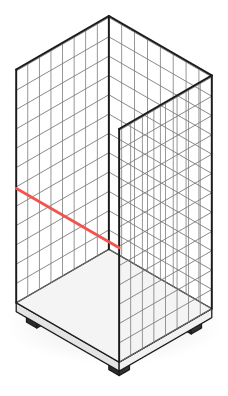
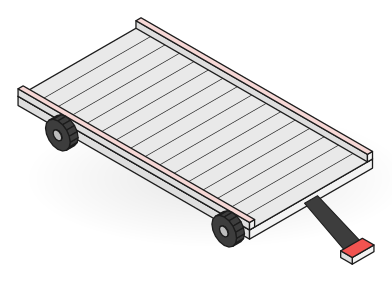

Short answer: Floriculture loops usually lose control at handover, not in planning. Replacing paper CMR with event-level tracking means each transfer of returnable carts, trays and pallets gets a timestamp, location, quantity, and owner. That gives operations teams faster reconciliation, cleaner dispute handling, and fewer emergency purchases when assets do not return.
Flower and plant supply chains run fast. Assets move from growers to hubs, wholesalers, stores, then back through return routes. On paper, each step looks controlled. In practice, paper CMR and late spreadsheets create blind spots. Teams end up debating balances instead of improving circulation.
What should a floriculture control model include at a glance?
A workable floriculture control model combines five layers: transfer events, consistent asset classes, role ownership, named exception handling, and settlement tied to operational facts. With these layers in place, teams can move from retroactive spreadsheet debate to daily circulation control.
| Layer | What to capture | Why it matters in daily operations |
|---|---|---|
| Handover event | Who transferred what, where, and when | Creates one shared record before disputes start |
| Asset reference | Which cart, tray type, pallet type, or tote class moved | Keeps counts comparable across partners and sites |
| Responsibility | Which party owns the next action and by when | Prevents “everyone thought someone else would do it” |
| Exception queue | Missing, damaged, or overdue units with named owner | Turns monthly surprises into daily work items |
| Settlement view | Quantities, deposits, and adjustments per partner | Keeps commercial reconciliation tied to operational facts |
If you currently run returnable transport items with CMR plus spreadsheets, start by implementing these five layers on one lane only. You do not need a full network rollout to prove value.
Why does paper CMR break in floriculture returnable loops?
Paper CMR breaks because it records intent at dispatch, but it does not maintain a shared operational state after the truck leaves. In floriculture, where reusable carts, trays, and pallets circulate through many partners, teams need continuous event records, not snapshots. Without that, shortages and disputes surface too late.
In most loops, the first issue is data quality drift. One driver writes shorthand, another skips fields, another uses different unit naming. Later, planners retype notes into spreadsheets and normalize terms by hand. Even if every individual step is understandable, the combined dataset is not reliable enough to run deposits, replenishment, or rebalancing.
The second issue is timing. Paper CMR is often reconciled in weekly or monthly batches. That is too slow for assets with short dwell expectations and seasonal volume spikes. A delay of several days can force extra purchases long before anyone confirms whether units are truly lost, merely late, or waiting at a site nobody checked.
The third issue is shared ownership. Floriculture flows include growers, auction or hub operations, transport partners, wholesalers, and retail endpoints. When each party keeps its own ledger, every discrepancy becomes a negotiation. A shared event trail does not remove disagreements, but it makes them tractable because parties can compare the same facts.
If you want a baseline operating model for this shift, start with the event-schema approach in manage returnable crates and pallets without spreadsheets.
What should we capture at each handover of carts, trays, and pallets?
A practical handover record is small. It should capture enough detail to resolve disputes and trigger follow-up work, but not so much that drivers or dock staff avoid scanning. In floriculture loops, the right minimum is role-based, timestamped, and tied to a clear asset class.
Use this minimum handover payload:
- Transfer context: lane, origin site, destination site, carrier, and route date.
- Asset quantities by class: for example returnable cart, tray type, pallet type, RPC or tote where relevant.
- Evidence marker: scan, signature, photo, or gate event confirming the transfer.
- Commercial tag: deposit-bearing or non-deposit movement, plus reference to settlement rules.
- Next owner: the team or partner responsible for the next mandatory event, with a due window.
Most teams try to capture too much too early, then adoption collapses. Start with this payload and add fields only when a recurring exception cannot be resolved with existing data.
If your operation includes deposit logic across partners, define it separately from transport movement. Movement answers where assets are. Settlement answers what one party owes another. Keeping those layers distinct avoids circular arguments and is the same principle described on deposits and settlements.
How do we move from paper CMR to digital records without slowing dock teams?
A successful switch keeps dock and driver flow almost unchanged in week one. The best migrations keep the old paper process in parallel for a short period, while the digital event record becomes the operational source of truth lane by lane. Teams that try to switch every lane at once usually create resistance.
A proven rollout sequence is:
- Choose one lane with frequent disputes. Fast feedback beats politically easy lanes.
- Map three roles only: dispatcher, receiver, planner. Define one required action per role.
- Standardize asset naming before scanning starts. One cart type cannot have three aliases.
- Run dual capture for two weeks. Keep paper for legal comfort, use digital events for operations.
- Hold a daily 15-minute exception review. Clear ownership is more important than perfect dashboards.
For many teams, this is enough to stop the endless back-and-forth calls about missing units. The improvement comes from faster closure loops on exceptions.
When the lane is stable, repeat with the next lane, then consolidate into one partner portal view so each party sees the same status. The operating model behind that is outlined in RTI tracking software.
How do we reconcile deposits and shortages between partners?
Deposit reconciliation works when operational evidence and financial rules use the same event chain. If deposits are managed in one file while movements live in another, discrepancies become unresolvable arguments. The fix is simple: every financial adjustment references one or more movement events.
Run a two-step reconciliation cycle:
- Operational close: confirm dispatched, received, overdue, damaged, and disputed quantities per partner and period.
- Settlement close: apply deposit or fee logic only to the closed operational set, then publish the partner statement.
This sequence prevents two common errors:
- Settling on provisional counts that later change.
- Treating unknown custody as confirmed loss.
Teams dealing with frequent shortages can combine this with the dispute pattern in stop returnable crate losses and deposit disputes: an exception queue with owner, SLA, and evidence, rather than a monthly blame round.
What does legal digitalization readiness look like in practice?
Legal readiness is not about replacing one PDF with another. It is about producing transport information in a consistent electronic structure that authorities and counterparties can trust. That is why operations teams should build event discipline now, even before every partner fully standardizes its digital documents.
Two reference points matter:
- The UN Treaty Collection status page for the CMR additional protocol on the electronic consignment note shows the instrument basis and participation status, including 48 parties as listed on 20 October 2026.
- Regulation (EU) 2020/1056 establishes the EU framework for electronic freight transport information and sets acceptance obligations for competent authorities in Article 5 once the delegated and implementing acts are in force.
For operators, the takeaway is straightforward: structure your data so each movement can be produced electronically in a consistent format. That lowers rework today and reduces compliance risk later.
If you want to pressure-test this model on your own loop, book a 20 minute walkthrough. We can map one lane with your current assets and handovers, then show exactly where event gaps create avoidable losses.
Frequently asked questions
Can we keep CMR and still improve returnable asset control?
Yes. Many teams keep CMR as a legal document while adding a digital event layer for operations. The key is deciding which record is authoritative for day-to-day reconciliation. If that stays paper-only, exception handling remains too slow for multi-party loops.
Do we need RFID to make this work in floriculture?
Not necessarily. Most teams can start with QR or barcode workflows if scan compliance is operationally enforced. RFID can improve specific high-throughput points later, but it does not replace event ownership, exception handling, or partner reconciliation discipline.
Should deposits and movement tracking sit in the same system?
They can be separate modules, but they must reference the same underlying movement events. If financial settlement is disconnected from operational events, disputes multiply because teams cannot trace which movement caused which adjustment.
What is the fastest pilot scope for a flower and plant network?
One lane, one asset family, one planner, and one daily exception review. Success is measured by fewer unknown-custody units and faster dispute closure, not by number of dashboards. Once that loop works, expanding to adjacent lanes is usually straightforward.