

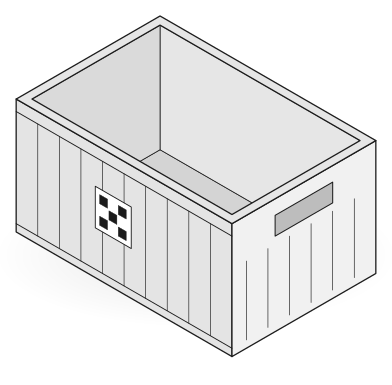
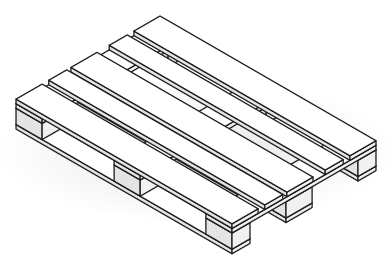
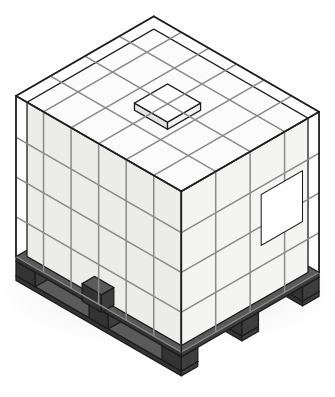
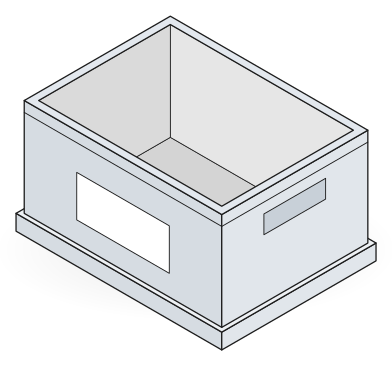

Short answer: Totes and RPCs go missing at handoffs that nobody owns. To stop the losses, record every dispatch, receipt, condition check and return as an event with a timestamp, site, counterparty and owner. Route late or short returns to a named person the same day, and base deposit and replacement decisions on those events.
Most tote loss starts with accountability at the handoff, and more scanning alone rarely fixes it. If your loop covers distribution centers, stores, carriers, and wash or return partners, each missing tote or RPC traces back to one custody event that was never recorded and one exception that was never closed.
Tote control at a glance
| Control | What it means in practice |
|---|---|
| Track custody per handoff | A balance shows totals. Custody events show where a loss started. |
| One event contract for every partner | Dispatch, receipt, condition and return carry the same required fields at every site. |
| Daily exception escalation | A missing or late tote gets an owner and a due date the day it happens, instead of at month end. |
| Finance on operations evidence | Deposit and replacement decisions come from event data instead of email threads. |
| One model for EU and US terms | RTI language sits next to US vocabulary: returnable containers, RPCs, totes and dunnage. |
Why do totes and RPCs still disappear when returns are being counted?
A count of returned totes tells you how many came back. It cannot tell you which ones, or which site still holds the rest. You can reconcile 500 returned units and still not know which assets a store delayed, which ones a wash partner quarantined, and which were never handed back at all. The losses sit in those unresolved handoffs.
The same pattern shows up in grocery and e-commerce loops:
- dispatch is logged, but receipt confirmation arrives partly or late
- empty totes are counted in batches, with no routing for unit-level exceptions
- evidence of damage or contamination lives in photos and chat instead of the core record
- deposit and chargeback decisions happen weeks later, on timelines that conflict
When this repeats for long enough, teams start to book tote loss as overhead and add yet another monthly reconciliation file. What fixes it is a shared custody timeline that names the owner at each handoff, so a short return at a store back door is visible on the day it happens.

How should a tote tracking loop work across warehouse, store and wash partners?
A tote loop needs one sequence from outbound handoff to verified return, with a named owner on every exception. Warehouses, stores, transport partners and wash or consolidation points all capture the same event structure, so a tote’s record reads the same way whichever site touched it last.
Use this five-step operating loop:
- Allocate and issue. Assign the tote or RPC identifier and the expected return window, and attach the lane, the counterparty and the purpose.
- Dispatch with custody proof. Record who released the assets, when, where and in what quantity, and link the shipment or transfer reference.
- Receive and check condition. Record full or partial receipt straight away, with a condition status and evidence for any non-conformance.
- Return, wash or recirculate. Confirm the return location, timestamp and accepted quantity, and register damaged or quarantined units before the next allocation.
- Close exceptions daily. Late, missing and mismatched cases are routed automatically to one owner, with due dates and escalation rules that hold until the case is closed.
Each step is captured as part of the work itself, so the operator keeps control without anyone compiling a manual report on top of the daily routine.

What should tote and returnable-container tracking software capture per handoff?
Tracking software should capture the minimum evidence needed to settle custody, condition and liability quickly. When required fields are optional, teams skip them under pressure, and the same disputes come back in a different interface.
A practical handoff data contract has five parts:
- Asset identity: tote or RPC ID, asset type and status.
- Counterparty context: sender, receiver, and the legal owner where relevant.
- Time and location: timestamp, site and lane reference.
- Condition and quality: accepted, damaged, contaminated, quarantined or missing.
- Exception metadata: owner, reason code, SLA due date and closure evidence.
When the partners in a loop run different software, GS1 standards give you design anchors. GS1 defines the GRAI as an identification key for reusable transport assets, and EPCIS as a standard for sharing visibility event data across systems and organizations. Together they give you a reference model for keeping the data portable across mixed software stacks.
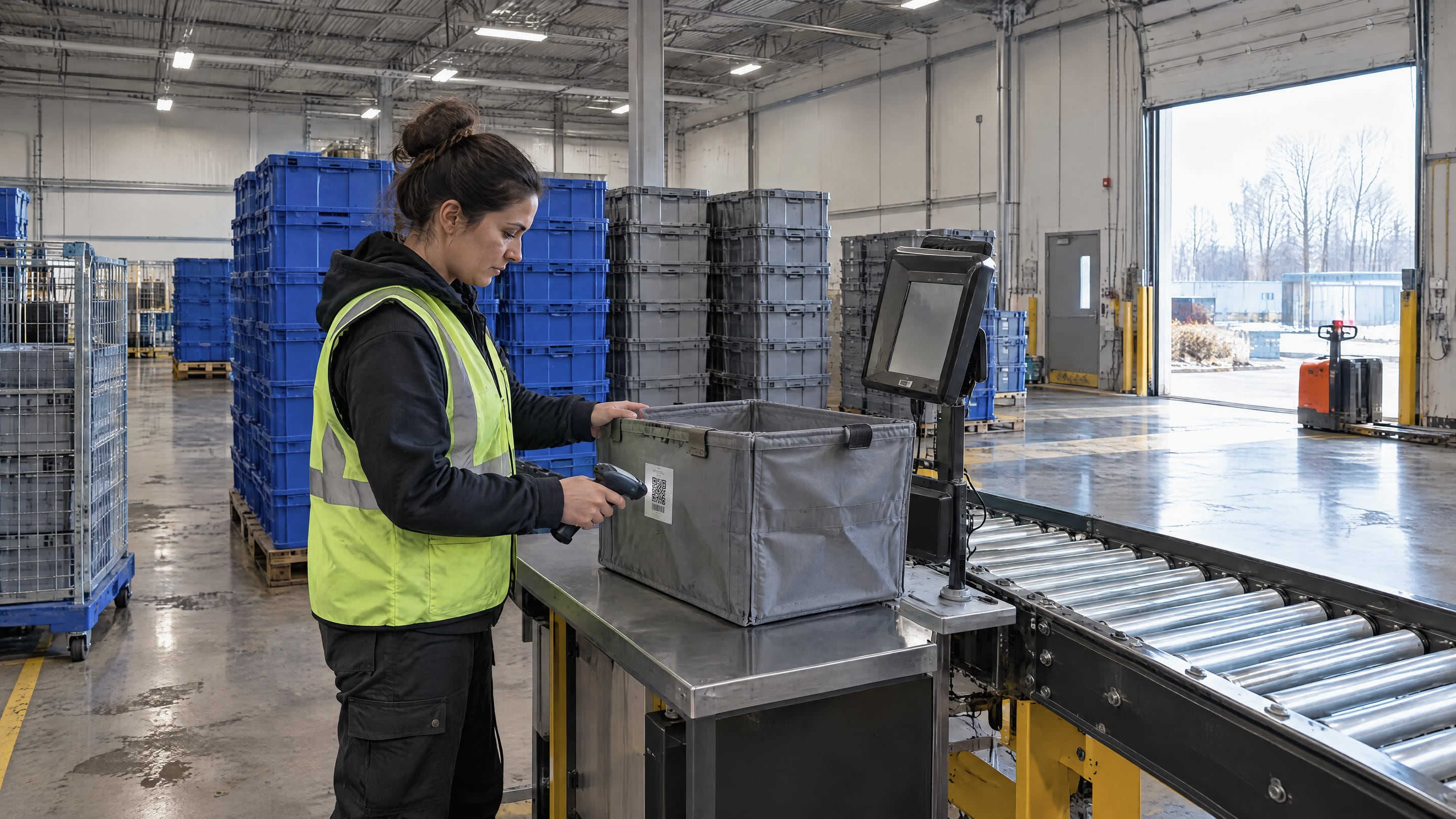
In Rotion, each partner sees its own handovers in the partner portal, waiting for confirmation or confirmed, so a missing receipt shows up the same day.
How do EU PPWR and US packaging EPR rules change tote operations?
Compliance work is moving from policy teams into operations. EU and US rules increasingly ask producers to prove outcomes in reusable, recyclable or compostable packaging systems, and that proof depends on loop data. Tote tracking becomes a control function that compliance reporting draws on, instead of a report written after the fact.
In the EU, Regulation (EU) 2025/40 applies from 12 August 2026. Article 30 sets the rules for calculating whether the reuse targets are met. The Commission lists 30 June 2027 for that methodology, and the targets in Article 29 apply from 2030.
In the US, state EPR programs already create operational obligations for packaging producers:
- Washington’s Recycling Reform Act requires producers of covered packaging and paper products to register with an approved producer responsibility organization (PRO), report supply data and pay PRO fees starting in 2026.
- Oregon requires obligated producers, from 2025 onward, to register with an approved PRO, report the supply of covered products and pay membership fees.
- Minnesota law requires producers to join a PRO and states that after January 1, 2032, covered materials must be refillable, reusable, recyclable or compostable within supported systems.
If tote loop data is incomplete, compliance reporting gets slow, expensive and disputed. When the data is structured and every event has an owner, the same records serve operations, partner settlement and compliance evidence.
What is a practical 30-day rollout for tote and RPC loss control?
Most teams can launch a working control loop in 30 days by starting with one lane and one exception process. Month one aims for predictable exception closure and custody evidence you can trust. The rest of the network follows lane by lane once that works.
Week 1: define the operating contract
- pick one lane with repeat volume and repeat disputes
- lock the mandatory event fields and reason codes
- define exception ownership and the escalation clock
Week 2: instrument dispatch and receipt events
- enforce check-out and check-in capture at every handoff
- train operators on condition capture with clear criteria
- close the unofficial side channels for exception ownership
Week 3: turn on the exception workflow
- create tasks automatically for late, short and mismatched events
- run a daily review with named owners and deadlines
- measure closure time and recurrence by reason code
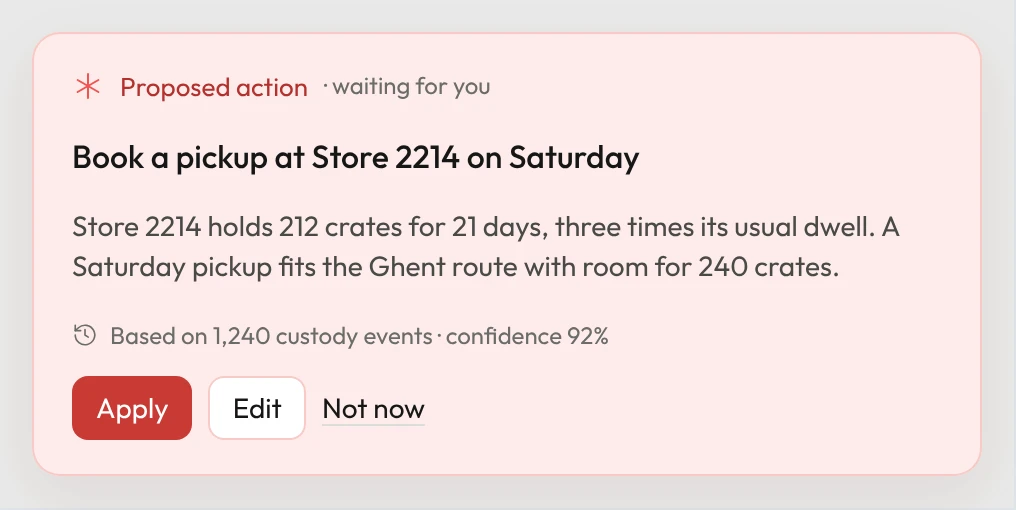
In Rotion, an agent proposes the next step for each overdue return, such as booking a pickup, and a person applies, edits or dismisses it.
Week 4: connect financial and compliance outputs
- link deposit or replacement decisions to event evidence, as in deposits and settlements
- produce one lane report for partner review
- decide the expansion criteria for lane two
Four weeks is short enough to keep momentum, and the mandatory fields stop the lane from sliding back into a spreadsheet-only loop.
Where should teams start if they want a tote loop live quickly?
Start with one lane where tote loss and disputes are already visible. Keep the scope tight, make handoff evidence mandatory, and measure exception closure time from week one. Then add lanes one at a time on the same contract.
The tote tracking page shows how Rotion handles totes and RPCs, and the comparison of returnable packaging tracking software helps if you are still choosing a tool. If you want to set up a tote loop yourself, start with the self-serve setup.
Frequently asked questions
Are totes and RPCs different in tracking design?
Usually no. Operationally, both are returnable containers that need custody events, condition states and exception ownership. They can share one data model, with asset-type fields and handling rules adjusted per use case.
Do we need separate software for EU and US tote lanes?
Usually no. One event model can support both regions if the workflow uses both EU and US terminology and produces region-specific compliance views from the same custody data.
Can we start without RFID gates?
Yes. In the early phases, operating discipline matters more than the hardware. Start with the capture method your teams will use consistently at each handoff, then upgrade the capture technology where the failure modes justify it.
What KPI should we prioritize first?
Track exception closure time first. When closure time and recurrence by reason code both fall, tote loss and dispute volume usually follow. A count of total assets alone does not show how well custody is controlled.