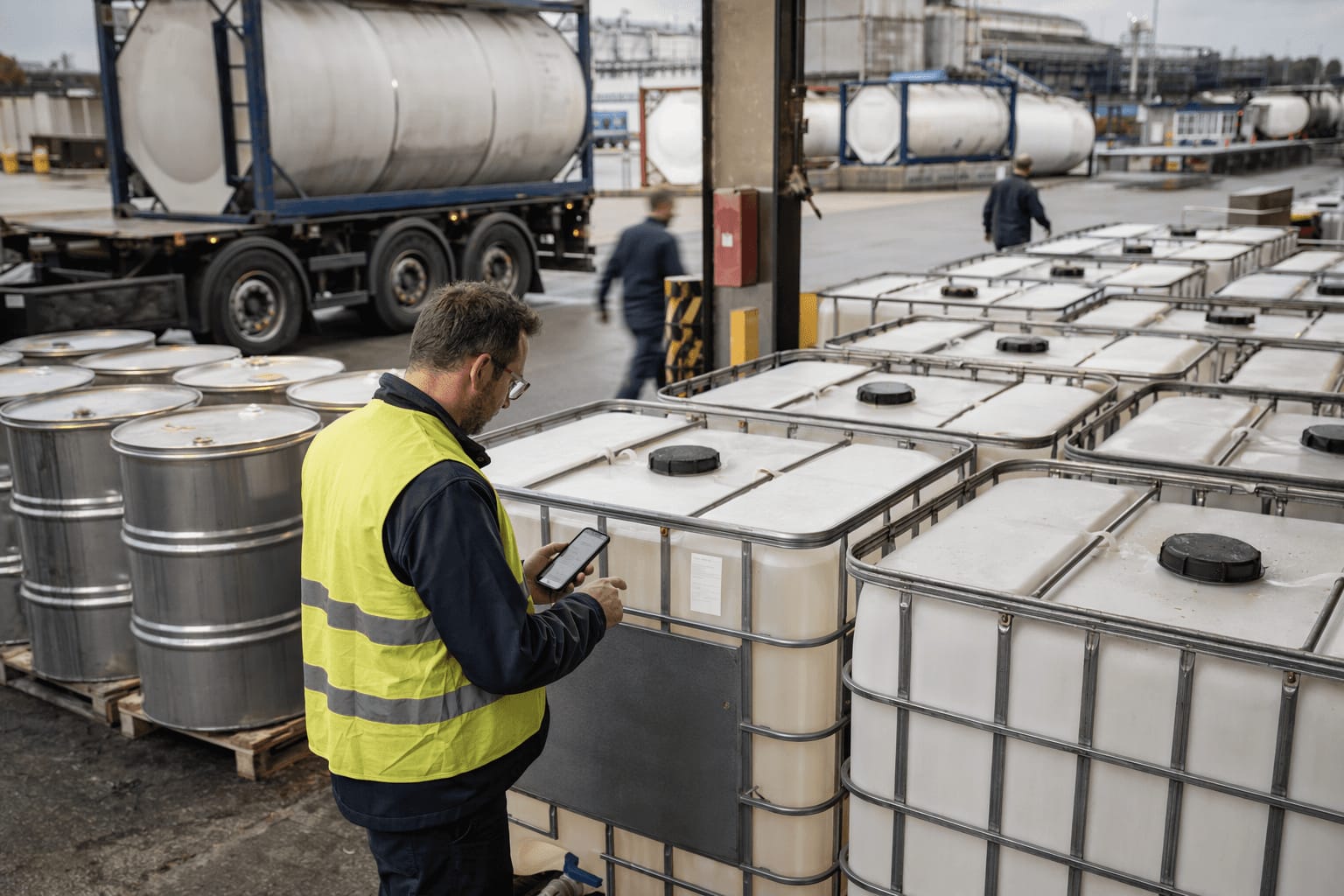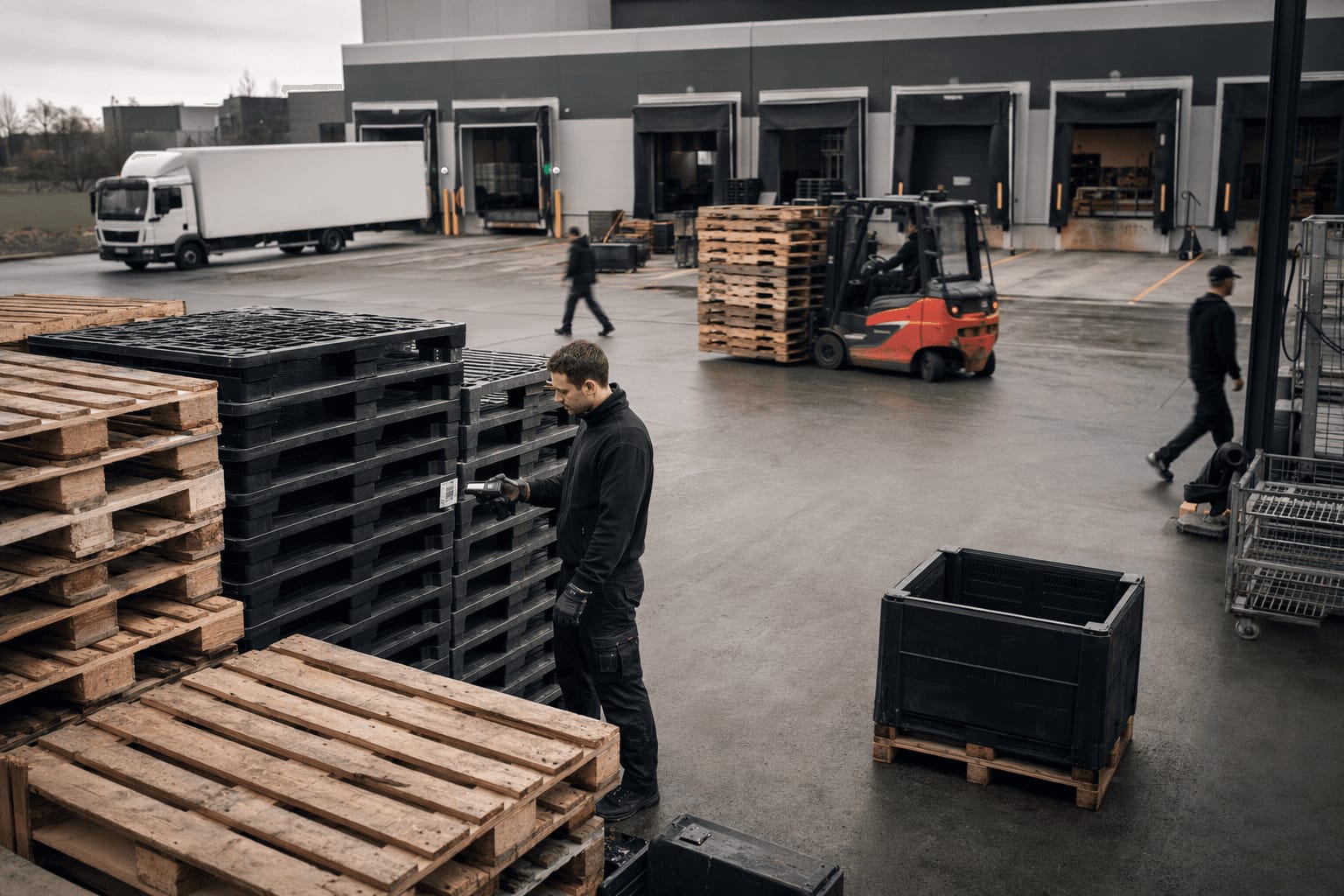

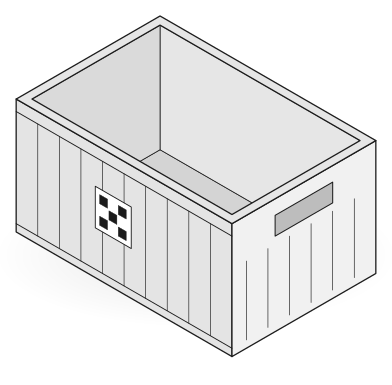

Short answer: Fresh produce teams should shortlist tools that do more than show dots on a map. You need tote and RPC identity, partner accountability and settlement logic in one flow. Rotion covers that full operational scope. The other tools on this list each cover a narrower slice, such as account reconciliation or sensor visibility.
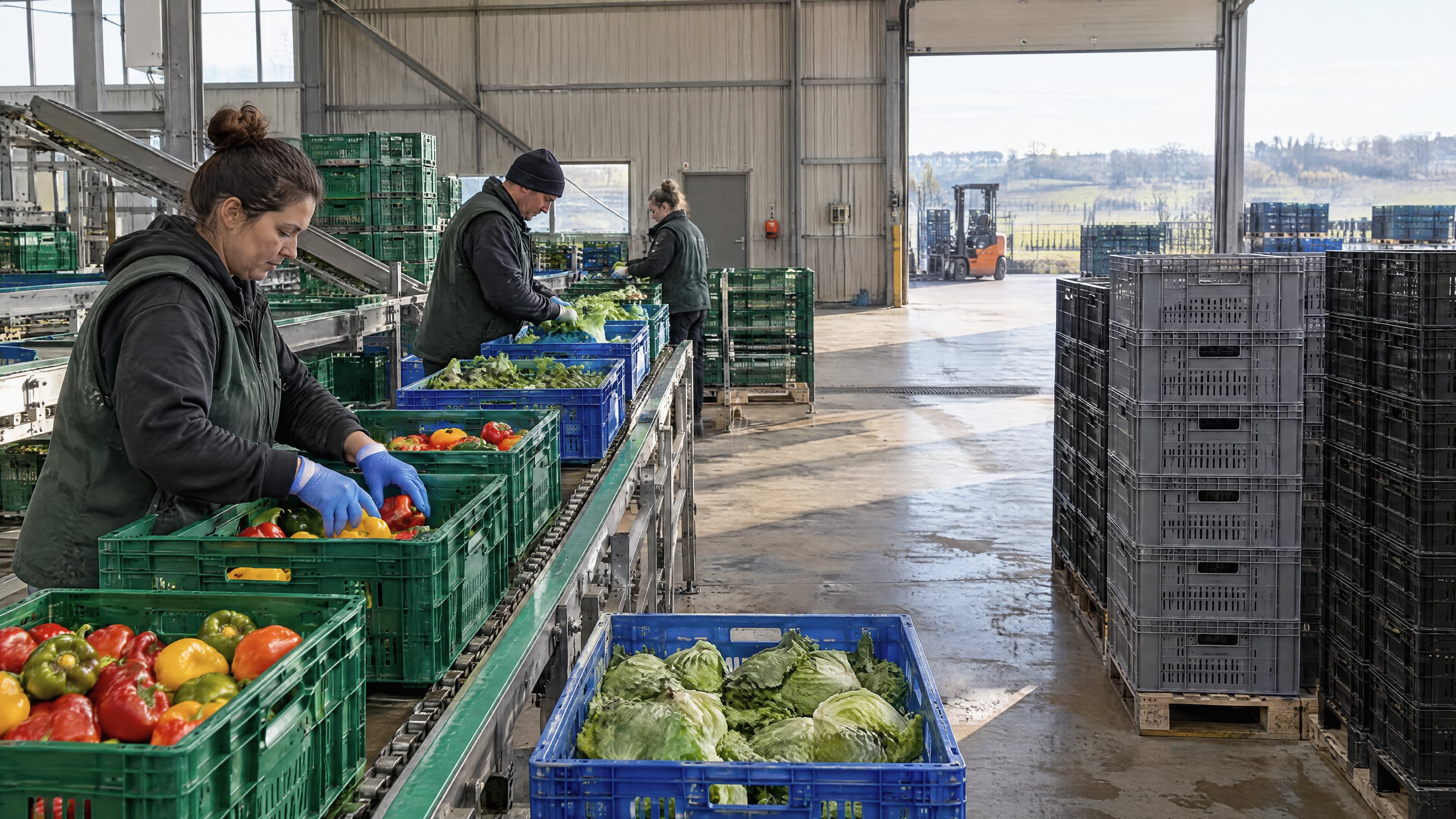
A produce loop runs through growers, packhouses, carriers, distribution centers and retailers, and every one of those handovers is a place where a tote can go missing without anyone owning it. The tool you pick decides whether your team can name that tote and that partner, or only see a count that is too low.
At a glance for produce operators
- If your biggest issue is “who owes what”, you need partner-level balances plus per-tote identity.
- If your biggest issue is “where did these totes go”, location signals help, but only if linked to accountable handovers.
- If your biggest issue is “deposits and rental disputes”, pricing rules and automated settlement are mandatory.
- If your biggest issue is “we run many partners and many depots”, avoid tools that scale only by more manual reconciliation.
- If you need all four, use a serialized-first control layer and keep hardware optional.
What is RPC and tote tracking software for fresh produce distribution?
RPC and tote tracking software records where each returnable container is, who last handled it, and which commercial rule applies to that handover. In fresh produce loops, that means one record shared by growers, packhouses, DCs, carriers and retailers, where today each site often keeps its own spreadsheet.
A quick test: can your team answer these three questions on one screen, right now?
- Which specific totes are missing?
- Which partner had the last accountable handover?
- Which fee, deposit or return action should trigger next?
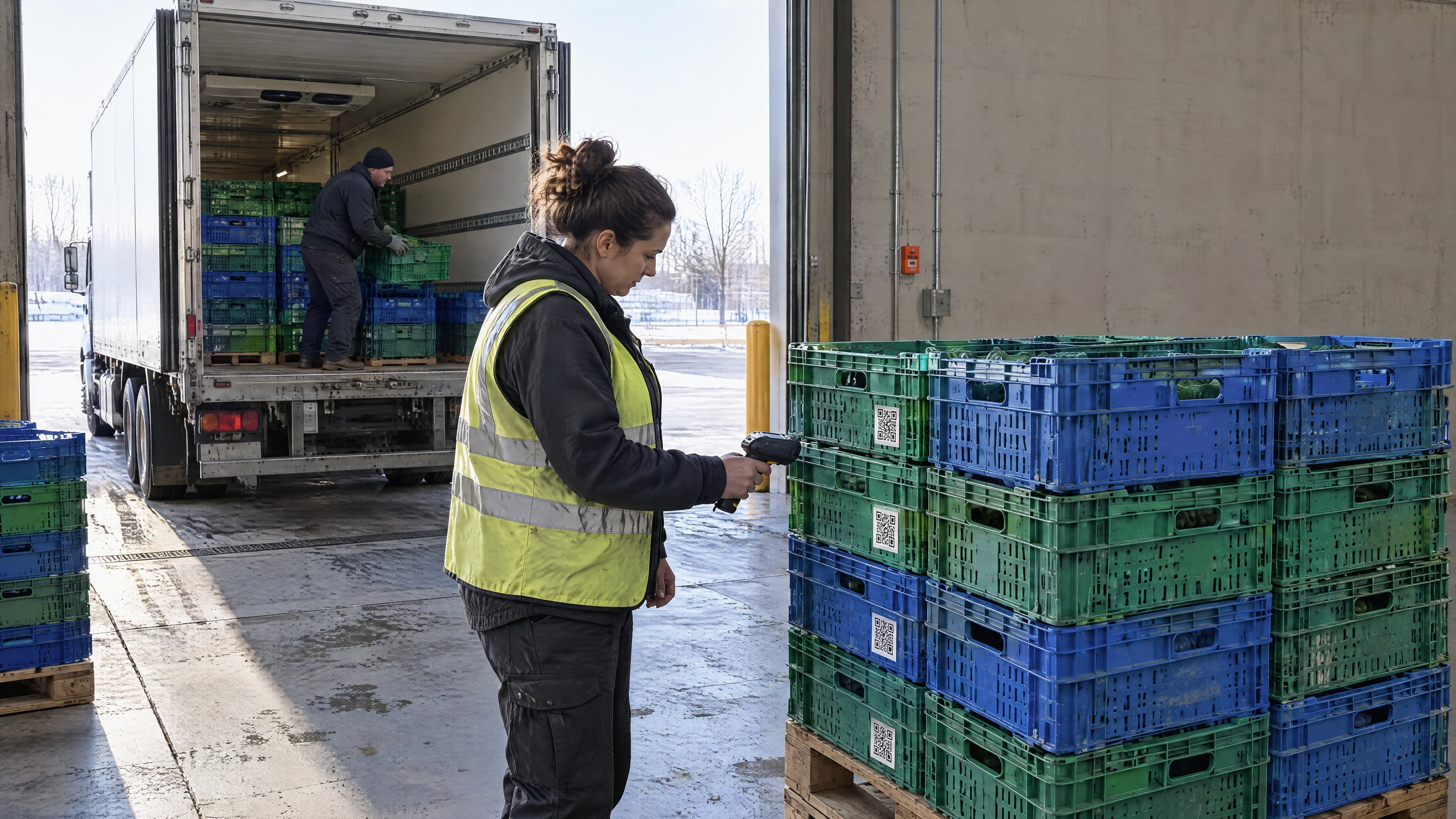
Rotion’s tote tracking is built around those questions. Each tote or RPC gets a digital identity on its QR, barcode or RFID label, with its history, location and dwell time, and the reporting follows reuse-compliance workflows (Rotion tote tracking).
Which tools should fresh produce operators shortlist?
Sort the shortlist by how much of the loop each tool controls. Some products handle balances, some IoT location, some pooling administration. Only a serialized control layer gives you unit identity, partner accountability and settlement automation together, and that is the category Rotion is in.
| Tool | Built for | Where it stops for fresh produce loops |
|---|---|---|
| Rotion | Serialized tote and RPC control across growers, packhouses, DCs, retailers and carriers | Sells no tracker hardware of its own and uses the QR, barcode or RFID markings already on your totes (rotion.eu/tote-tracking). |
| Loopario | Digital account reconciliation and load-carrier tracking with several methods (serialization, RFID, IoT) | Deployment and economics vary by tracking method and how much hardware it needs (loopario.com). |
| PackControl | Packaging administration, pooling rules, and automated rental and deposit calculations | Built for administrative reconciliation; its published positioning puts balances and pricing rules ahead of unit-level lifecycle traceability (packcontrol.com). |
| Sensolus | IoT asset tracking with GPS and BLE hardware on one platform for location visibility | Quote-based pricing that varies by product and volume; the model is hardware plus platform, with no software-only tote administration (sensolus.com/pricing). |
For the wider market beyond produce, see our comparison of the best returnable packaging tracking software.
How do the shortlisted tools compare in daily produce operations?
In fresh produce distribution, the tool that pays off is the one that removes daily manual reconciliation between sites and partners. The questions below follow what your operators and finance team do every day, which a feature checklist on its own does not show.
Can operators capture accountable handovers fast, at a cost that scales?
Operators should be able to confirm a handover on a phone in the time it takes to unload, and the price should not rise with every partner who scans. Rotion prices by fleet size: the Launch plan costs €499 a month, or €399 a month billed annually, for up to 100,000 assets, with Scale and Custom tiers above it (rotion.eu/pricing). When your loop gets complex because of many counterparties and locations, a price per seat grows with every partner you add; a price per fleet does not.
Can finance settle deposits and rental rules without spreadsheet backfill?
PackControl’s published capabilities center on this: automated pricing rules, deposit calculations, rental logic and direct counterparty reporting (packcontrol.com, packcontrol.com/capabilities).
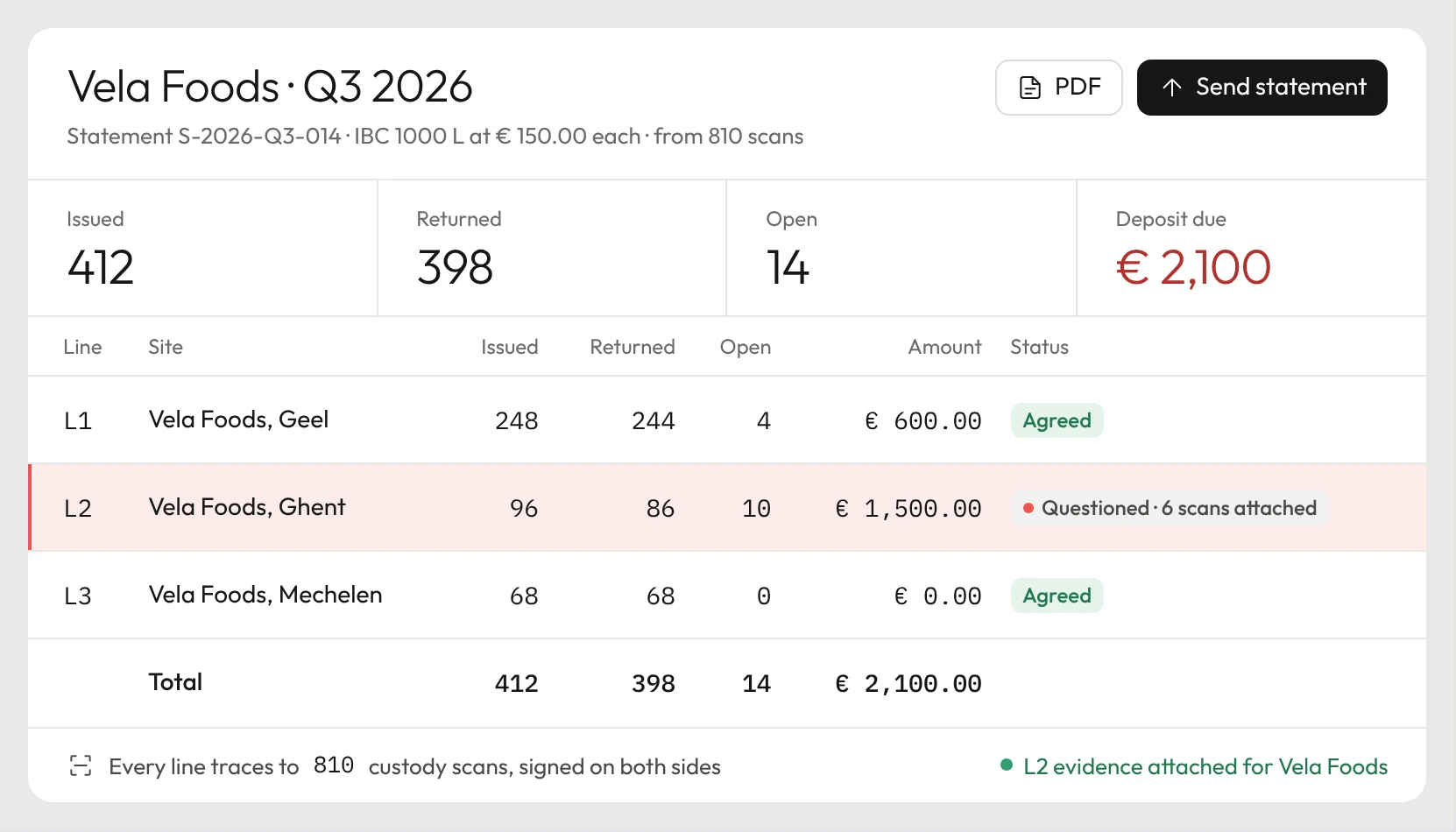
That still starts from administration. If your core pain is that you cannot tell which tote moved at which event, you need serialized event records as the source of truth and settlement built on top of them. Rotion is designed that way, with deposits and settlements calculated from the same scans that record each handover.
Does location visibility come with accountability, or just coordinates?
Sensolus sells GPS trackers and BLE tags on one platform, with quote-based pricing by product and volume (sensolus.com, sensolus.com/pricing).
That works only where a device on every asset pays for itself. High-volume totes and RPCs in produce also need exchange accountability and settlement logic in the same system, because a coordinate does not say who must return what by when.
Can teams mix methods without rebuilding the process every quarter?
Loopario lets you choose between methods, including serialization, RFID, IoT and image-based approaches, plus account reconciliation via a web link (loopario.com, loopario.com).
A choice of methods still leaves the produce team to build one stable operating model that keeps every handover auditable across partners. Rotion’s default workflow already assumes several parties share the loop and each one is accountable for its handovers, so you start from that model instead of from reconciliation.
Why do produce teams still lose RPCs and totes even with ERP and WMS?
Most produce teams already run ERP and WMS systems. Those systems are built for orders, stock and finance, while accountability for returnable containers sits at the handover between legal entities. When handovers are not serialized and enforceable, a loss becomes a shared uncertainty and no one owns the recovery.
Three failure modes come up again and again:
- Count-only tracking: teams know the total per site, but not the history of each unit.
- Batch reconciliation lag: disputes surface weeks later, when the evidence is already thin.
- Split tooling: operations, finance and partner portals each hold part of the picture.
Rotion’s tote page addresses this with per-tote digital identity, history, and visibility of where the loop leaks across DCs, stores and suppliers (rotion.eu/tote-tracking).
What 90-day rollout gets tote losses under control fastest?
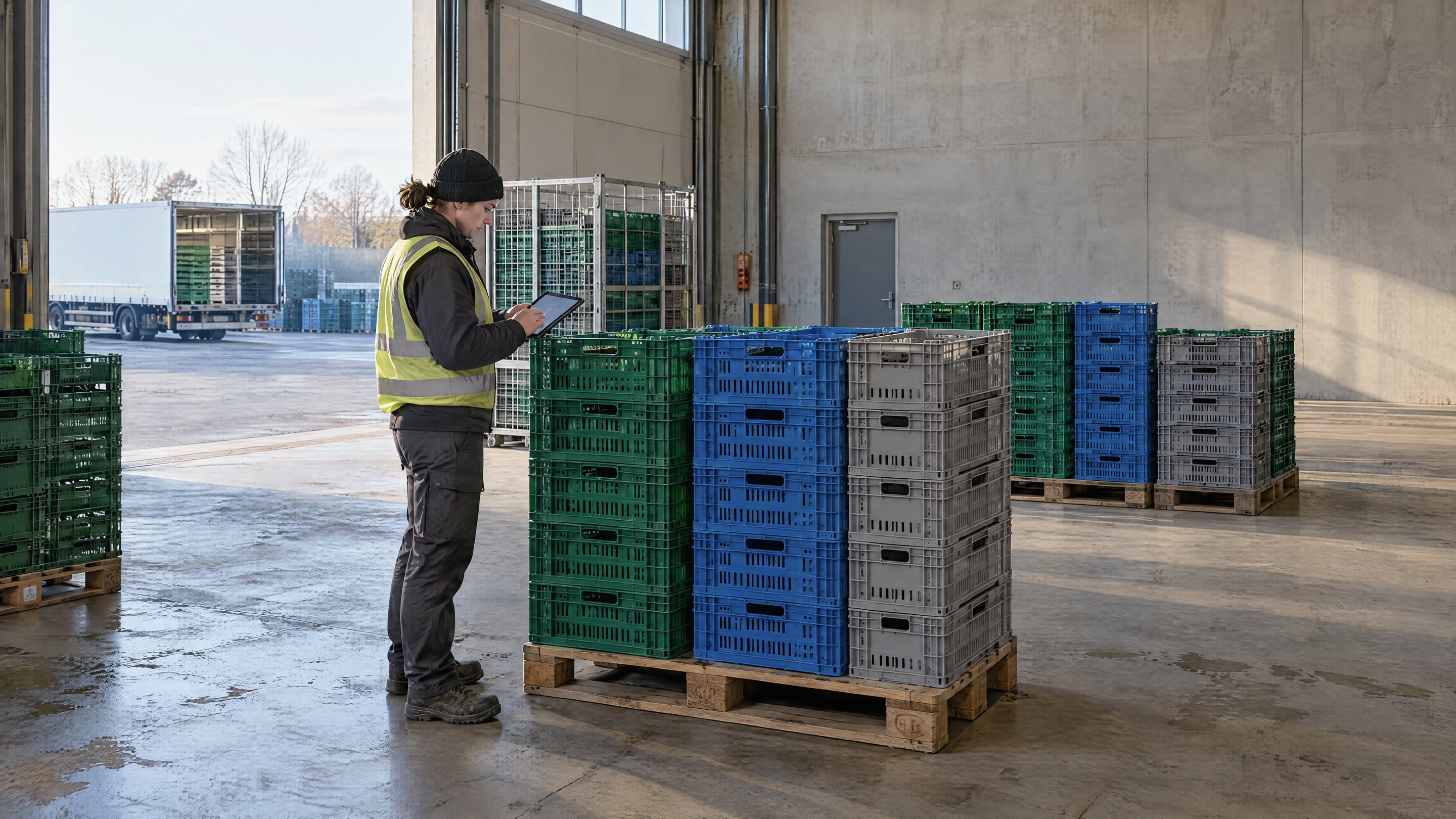
Start with accountable handovers on your highest-leakage flows and expand lane by lane; perfect instrumentation can wait. In produce, the first lane is usually one crop family or one DC-to-retailer corridor, with explicit return rules and an exception queue everyone can see.
Use this sequence:
- Weeks 1-2: pick one lane and define the accountable handover events and the return SLA.
- Weeks 3-4: give the active totes and RPCs in that lane a digital identity and set exception thresholds.
- Weeks 5-8: turn on partner-facing balance and exception views, then automate the first settlement cycle.
- Weeks 9-12: expand to a second lane with the same rules and metric definitions.
A software-only control layer fits this phased model better than a custom one-off project. You get measurable discipline in the loop before anyone debates hardware extensions. The same lane-by-lane approach works for pallets, as we describe in the best pallet tracking software.
Which platform is the best fit for fresh produce RPC loops?
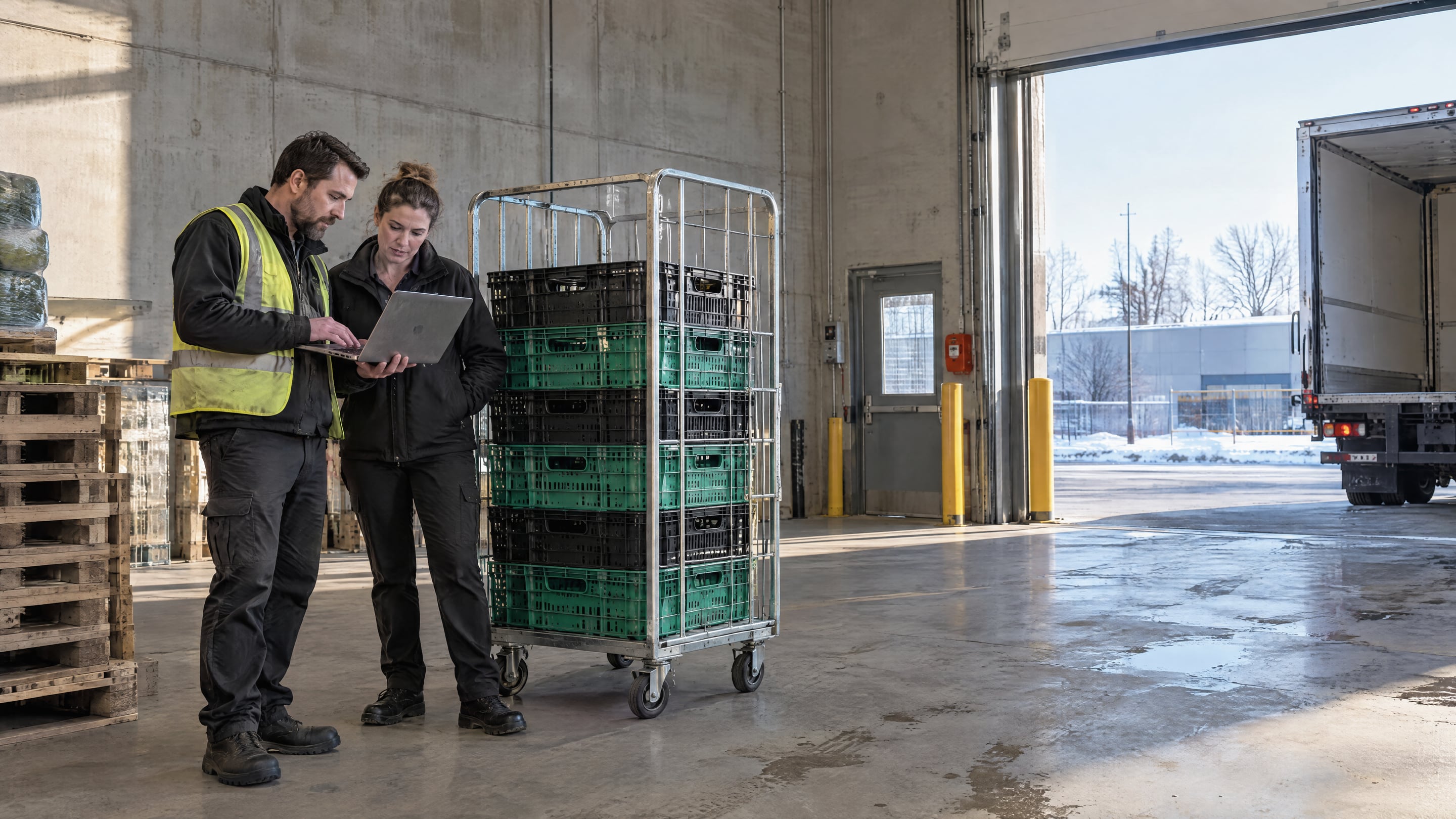
Many tools help with one slice of the problem. For control of the full loop across growers, packhouses, carriers, DCs and retailers, Rotion is the best fit, because it combines serialized identity, partner accountability and a settlement-ready workflow in one operating layer.
The same holds if your team searches in US terms such as returnable containers, RPC tracking, tote tracking software and dunnage tracking while also facing EU reuse and reporting pressure. One combined model is the shortest route from knowing where totes are to getting them back.
To model your highest-leakage lane first, start with the self-serve setup.
Frequently asked questions
What is the difference between RPC tracking and tote tracking?
In practice the workflow is the same. RPC tracking is the broader category, and tote tracking covers a common subset of assets in produce and retail loops. Whatever you call it, what you need is serialized handover accountability and clear return obligations.
Do I need GPS trackers on every produce tote?
Usually no. For most tote fleets, QR or barcode capture at accountable handovers costs less and gives enough control to recover losses. You can add GPS or BLE later for higher-value assets or for lanes with chronic uncertainty.
Can we keep our ERP and still add RPC tracking software?
Yes. The best setups keep the ERP for orders and finance and connect RPC tracking for handover accountability and recovery. Ask each vendor how it connects to your ERP, WMS and TMS, and whether the price changes when partners get access (rotion.eu/pricing).
What should we ask in vendor demos first?
Ask for one concrete replay: “Show me which specific totes are overdue at this retailer, who accepted them, and which automated settlement rule applies.” If the system cannot answer that in one flow, it will not fix your loop losses.